

Pipe Insulation Cladding
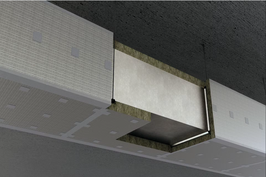
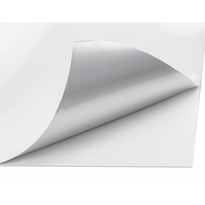
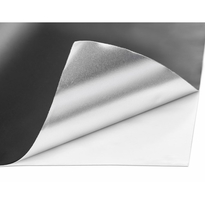
Pipe insulation cladding involves covering insulation layers with durable materials such as aluminium, stainless steel, PVC, or plastic to safeguard against corrosion, weather conditions, and mechanical damage. Commonly employed in industrial, commercial, and outdoor environments, cladding enhances thermal performance, prevents moisture ingress, and prolongs the lifespan of the system. Proper installation requires thorough surface preparation, secure fastening, and sealing of joints. Routine maintenance is essential to maintain durability and efficiency. Ongoing research continues to refine guidelines for selecting appropriate materials and optimizing installation processes, ensuring long-term effectiveness.
Overview of Pipe Insulation Cladding Materials and Benefits
Pipe insulation cladding acts as a vital protective barrier that enhances the durability and performance of piping systems by enveloping insulation materials with various cladding options. Common materials include Aluzinc, which offers outstanding corrosion resistance and high temperature tolerance suitable for challenging environments; stainless steel, renowned for its excellent resistance in high-risk or corrosive conditions; PVC, providing durability and chemical resistance in specific applications; plastic cladding, valued for affordability and straightforward installation; and glass-reinforced plastic (GRP), recognized for its strength and corrosion resistance in industrial settings. These cladding materials contribute directly to extending the lifespan and improving the dependability of pipes by shielding them from environmental factors such as ultraviolet exposure, moisture ingress, and mechanical damage. Protection from environmental factors is essential for outdoor applications, ensuring the integrity of the piping system over time. Selecting the appropriate cladding is crucial for optimizing pipe performance across various environments and operational requirements.
Key Features and Advantages of Aluminum Cladding
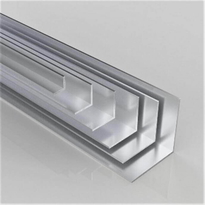
Aluminium cladding offers a combination of essential material properties that make it highly effective for protecting insulation systems. Its high thermal conductivity, approximately 222 W/m·K, aids in maintaining consistent temperatures across pipes and prevents heat loss or gain.
Despite being lightweight, it possesses considerable strength, with tensile capacities of 105–145 MPa, suitable for demanding environments. The density of 2.71 g/cm³ provides a durable yet manageable barrier that resists corrosion, UV exposure, and weathering, thereby extending the lifespan of insulation. Additionally, aluminium's surface can be treated for enhanced fire resistance and durability, further improving performance in challenging conditions.
It also functions as an effective vapor barrier, reducing moisture ingress, and is reinforced with various surface finishes tailored to specific environmental requirements. Furthermore, aluminium’s versatility allows for customized thicknesses and alloy selections, optimized protection levels, and ease of installation across various piping applications.
Common Applications for Pipe Cladding Solutions
Given the varying environmental conditions and operational demands across different industries, pipe cladding solutions are extensively utilized in many sectors to protect and optimize pipe performance.
In chemical manufacturing plants, waterproof cladding safeguards pipes from corrosive substances, helping to extend their lifespan and maintain safety standards.
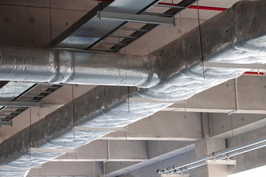
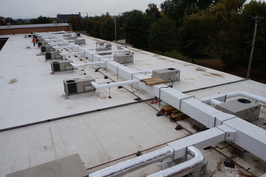
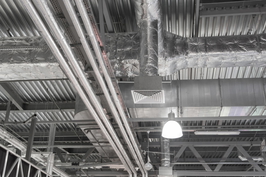
Commercial and office buildings employ waterproof cladding in their HVAC systems to prevent condensation issues and enhance energy efficiency by providing an effective moisture barrier.
Industrial facilities, including those handling tanks and vessels, benefit from metal jacketing and insulation to withstand thermal stresses and ensure process stability.
The food, pharmaceutical, and biotech sectors rely heavily on waterproof cladding to maintain stringent hygiene standards, facilitate cleaning, and control temperature conditions vital to product integrity.
Furthermore, in outdoor and offshore environments, waterproof cladding plays a crucial role in shielding pipes from saltwater, ultraviolet (UV) radiation, and severe weather conditions. Research shows that such cladding can significantly extend the service life of exposed pipelines. This protection ensures the long-term operational integrity of pipelines across diverse applications, from marine to terrestrial installations. Innovative insulation technologies are also being developed to further improve durability and performance in extreme environments.
Best Practices for Installing and Maintaining Cladding
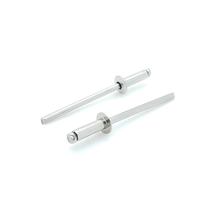
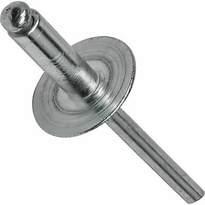
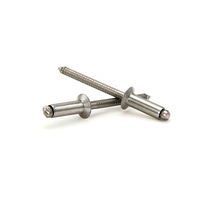
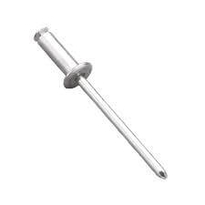
Efficient installation and ongoing maintenance of pipe cladding are vital to ensuring long-term performance, safety, and environmental resistance. Proper surface preparation involves making certain that the insulated surface is clean, dry, and free from contaminants prior to applying the cladding. Selecting the right type of cladding material for specific environmental conditions, such as UV resistance or chemical exposure, is crucial for durability. Choosing appropriate materials—such as aluminium or stainless steel—based on environmental conditions enhances durability and ensures compatibility with pipes and insulation systems. Cladding should be installed with correct overlap, securely fastened with rivets or fasteners, and sealed at the joints with suitable sealants or tapes to prevent moisture ingress and corrosion. Maintenance routines include regular inspections to identify any damage or wear, routine cleaning to remove dirt and debris, and prompt repairs or replacements of any compromised sections. Keeping detailed records of maintenance activities helps track the condition of cladding over time and plan future inspections accordingly. Adhering to health and safety protocols is essential; this includes using appropriate personal protective equipment (PPE) and fall protection measures. Additionally, complying with all relevant local regulations and standards guarantees that installation and maintenance practices remain safe and compliant.
Environmental and Cost Advantages of Using Pipe Cladding
Using pipe cladding provides notable environmental and financial benefits by improving the efficiency of heating systems and reducing resource consumption.
Effective insulation minimizes energy usage, which in turn directly decreases greenhouse gas emissions and helps conserve natural resources by lessening reliance on fossil fuels.
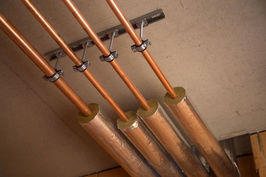
Properly insulated pipes minimize heat loss, reducing the need for repeated heating cycles and thus decreasing overall energy waste.
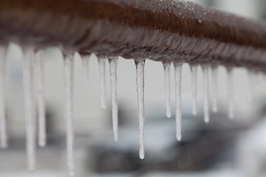
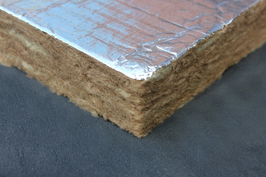
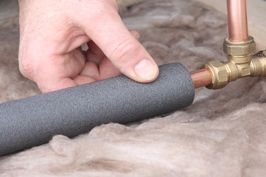
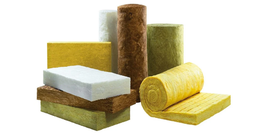
Additionally, insulation safeguards pipes against freezing, ensuring a continuous water supply and preventing environmental damage caused by leaks or bursts. Moisture resistance in mineral wool insulation helps prevent damp and mold issues, further enhancing the longevity of pipes and insulation materials.
From a financial perspective, insulating pipes can lead to energy savings of up to 20%, resulting in lower utility bills.
Over the long term, this investment also reduces maintenance costs, extends the lifespan of pipes and equipment, and enhances operational efficiency.
Improved energy efficiency is achieved through insulation, which acts as a thermal barrier to cut energy waste and optimize system performance.
Conclusion
In summary, selecting appropriate pipe insulation cladding materials, such as aluminium, enhances thermal efficiency, durability, and corrosion resistance. This choice ultimately extends the lifespan of piping systems. Proper installation and regular maintenance are crucial to maximizing these benefits and to ensuring environmental and cost efficiencies.
Understanding the specific requirements of each application and adhering to best practices are essential for providing effective protection against environmental factors. Implementing well-chosen pipe cladding solutions offers a reliable, long-term method for safeguarding piping infrastructure across various industrial and commercial settings in the UK.