

Poly Pipe Insulation
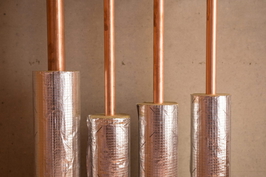
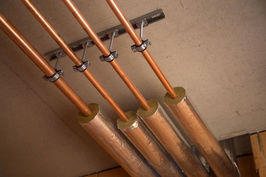
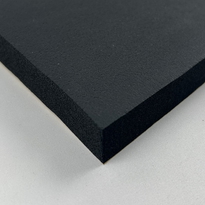
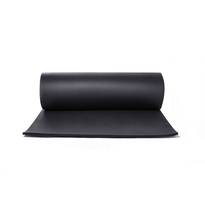
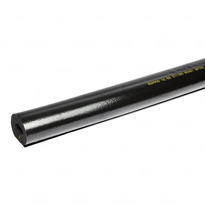
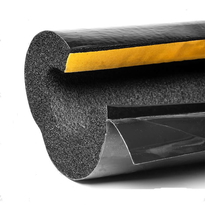
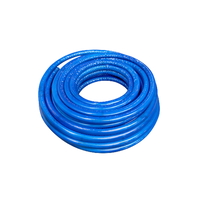
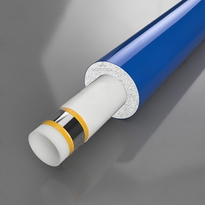
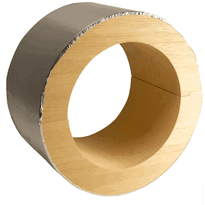
Poly pipe insulation is essential for protecting pipes from heat loss, condensation, and environmental damage, thereby enhancing efficiency in both residential and industrial settings. Commonly used materials include polyethylene foam and flexible elastomeric foam, which provide excellent thermal performance, moisture resistance, and durability.
These types of insulation are suitable for various applications, including hot and cold water systems, refrigeration, and outdoor uses. To ensure optimal performance, proper installation is crucial. This involves sealing seams and ensuring a snug fit to prevent energy loss.
Exploring further, there are numerous options available to maximise pipe protection and extend longevity, ensuring that your insulation meets the specific demands of your environment.
Types of Poly Pipe Insulation Materials
Poly pipe insulation materials are available in various types, each designed to address specific requirements for thermal protection, moisture resistance, and durability.
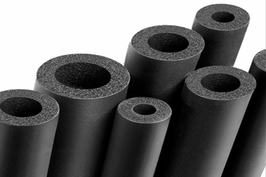
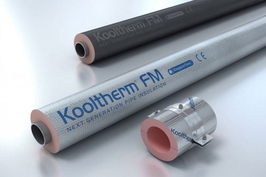
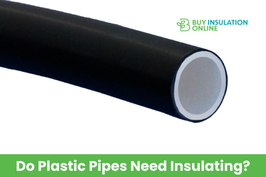
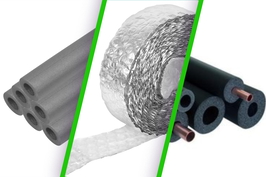
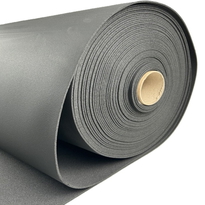
Polyethylene foam insulation is lightweight and flexible, making it an excellent choice for both residential and commercial indoor pipe insulation. It offers low thermal conductivity and moderate moisture resistance, while also helping to reduce pipe noise and prevent condensation. Polyethylene is also resistant to many chemicals, enhancing its suitability for various environments.
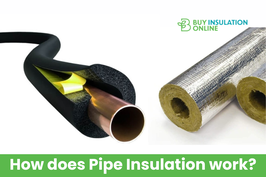
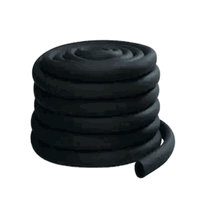
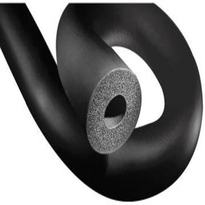
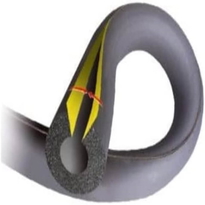
Flexible elastomeric foam insulation is a closed-cell material that's well-suited for both hot and cold water pipes. Its inherent flexibility allows it to conform to bends and irregular pipe shapes, providing outstanding moisture resistance and energy-saving advantages.
These insulation materials are available in a range of sizes and thicknesses, which simplifies the installation process.
Additionally, there are environmentally friendly options available that are free from harmful chemicals, ensuring protection for both the environment and the community.
Thermal Performance and Temperature Resistance
Poly pipe insulation is designed to handle specific temperature ranges, typically from minus sixty-eight degrees Celsius to eighty-two degrees Celsius, ensuring it remains effective under various conditions. Its insulating properties can weaken at extreme temperatures, which may lead to diminished energy savings over time. Proper insulation selection is essential because different materials possess varying temperature tolerances and durability. Understanding how materials perform and maintain durability in different environments is crucial when selecting the appropriate insulation for long-term use. The right choice can significantly impact thermal performance and energy efficiency, making it essential to consider the insulation's capabilities in both cold and warm conditions.
Temperature Limits of Materials
Understanding the temperature limits of insulation materials is essential for ensuring their effective performance and safety in piping systems. Various materials support specific temperature ranges, which determine their suitability for particular applications.
For instance, polyethylene foam can withstand extreme temperatures, making it versatile for both cold and hot water pipes. Phenolic foam is designed to provide excellent insulation even in severe conditions. Elastomeric foam supports high temperatures but may degrade if exposed to excessive heat.
The following table summarises these ranges:
Material |
Temperature Range |
| Polyethylene | -90°F to 180°F (Residential & Industrial) |
| Phenolic Foam | -290°F to 250°F |
| Elastomeric Foam | -55°F to 250°F |
Knowing the temperature limits of these insulation materials is critical for selecting the right option for your piping needs, ensuring both efficiency and safety in your systems.
Insulation Efficiency at Extremes
Insulation efficiency at extreme temperatures is vital for ensuring the performance and safety of piping systems. Thicker insulation notably reduces heat loss, particularly when utilising materials such as polyurethane foam, PEX, or EPDM foams.
By increasing insulation thickness, significant reductions in heat loss can be achieved, with thicker layers providing enhanced protection against the elements.
Polyurethane foam is particularly effective, demonstrating superior heat loss reduction when applied in greater thicknesses. The thermal conductivity of insulating materials, which can vary depending on temperature, also plays a crucial role in overall insulation performance.
Careful selection of materials and appropriate insulation thickness is essential for keeping pipes warm during colder conditions.
Moreover, effective insulation design, incorporating testing methods that consider the shape of the pipes, can optimise performance in extreme temperatures. This attention to detail is essential for safeguarding both efficiency and safety in challenging climates.
Material Durability Over Time
Polyethylene foam insulation is renowned for its exceptional durability, maintaining its performance even when subjected to a variety of environmental conditions. Constructed from high-quality polyethylene, it offers remarkable flexibility, moisture resistance, and impact durability. Its low thermal conductivity is effective in insulating pipes, ensuring consistent thermal performance across a wide temperature range. The material's low thermal conductivity is effective in insulating pipes, ensuring consistent thermal performance across a wide temperature range. It's engineered to withstand extreme temperatures, from severe cold to intense heat. Additionally, polyethylene foam is resilient against weather and UV exposure, which means it retains its structural integrity over time. Its resistance to corrosion, chemicals, and abrasion further contributes to a prolonged lifespan. The inherent flexibility of this insulation allows it to accommodate ground movements without the risk of cracking, making it particularly suitable for diverse applications. Many variants of polyethylene insulation also incorporate antimicrobial protection, which actively inhibits bacterial growth. Overall, polyethylene foam insulation provides long-term reliability and cost-effectiveness, making it a preferred choice for a variety of piping systems, including residential, commercial, geothermal, and industrial settings. Its proven durability ensures sustained performance throughout the years, reinforcing its status as a trusted material in the construction and insulation sectors.
Moisture and Condensation Control
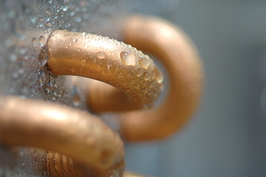
Controlling moisture and condensation is vital for effective insulation of poly pipes. Materials such as closed-cell foam and polyethylene foam are excellent at resisting moisture and preventing the accumulation of water droplets on cold pipes. Proper insulation materials help to maintain the pipes' dryness and integrity in varying environmental conditions. Proper installation practices, including sealing seams and wrapping vulnerable areas, play a significant role in keeping pipes dry. These measures help to mitigate the risks associated with humidity, ensuring that the insulation remains effective and prolongs the lifespan of the piping system.
Moisture Resistance Capabilities
Moisture and condensation can lead to significant damage within piping systems, prompting manufacturers to develop materials that effectively resist water vapour intrusion. Polyethylene insulation’s closed cell structure naturally resists moisture, aiding in the prevention of pipe sweating and corrosion. The closed cell structure of this insulation naturally resists moisture, aiding in the prevention of pipe sweating and corrosion. Unlike fibrous insulations, polyethylene doesn't require an additional vapour barrier, thus maintaining its integrity even in damp conditions.
Many polyethylene products are designed with self-sealing closures, which enhance moisture protection at joints and seams. This insulation is particularly suited for indoor water pipes in humid environments, offering dependable moisture resistance that extends the lifespan of pipes while keeping systems clean and safeguarded against microbial damage.
The flexibility and moisture resistance of polyethylene insulation make it a reliable choice for maintaining pipe safety under various conditions. [Polyethylene foam’s versatility makes it suitable for a wide range of piping applications, including both indoor and outdoor installations.
Condensation Prevention Strategies
Implementing effective condensation prevention strategies is vital for maintaining the integrity of piping systems, particularly in humid environments.
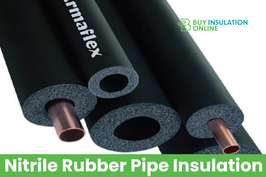
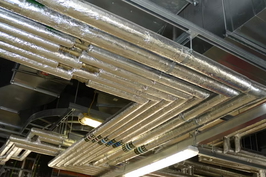
Using foam or nitrile rubber pipe lagging helps keep pipe surfaces above the dew point, thus preventing condensation. Foil-faced mineral wool or fibreglass insulation also reduces the risk of condensation, especially when insulation layers are properly overlapped to seal any gaps.
For cold water pipes, adding a vapour barrier blocks moisture penetration and helps prevent sweating.
Regular inspections ensure that insulation remains tight and undamaged, which is crucial in avoiding gaps where condensation can form.
Sealing gaps around pipes and controlling ambient humidity with dehumidifiers or slightly elevated temperatures reduces moisture contact. Poor pipe insulation can lead to increased condensation and potential damage. Focused insulation on pipes located in unheated areas, alongside proper material selection and routine maintenance, effectively minimises condensation and enhances the longevity of the piping system.
Durability and Environmental Resistance
Poly pipe insulation made from polyethylene is exceptionally durable and resistant to environmental damage, making it ideal for long-term use in a variety of conditions.
It provides excellent impact and abrasion resistance, allowing it to endure physical impacts and ground shifts without cracking. Its toughness and flexibility help absorb stress, ensuring that the insulation remains effective for decades when properly installed.
Polyethylene also stands up to sun, rain, and other weather elements, maintaining its strength even after extended outdoor exposure.
It doesn't corrode or rust, remaining intact in moist or chemically rich environments, including saltwater. Furthermore, its closed-cell foam structure acts as a moisture barrier, preventing the growth of mould and mildew.
Certified for flame resistance and thermal stability, polyethylene insulation proves to be both effective and reliable across diverse conditions, supporting long-lasting protection for pipes.
Applications and Suitability
Poly pipe insulation is widely utilised in water and HVAC systems, thanks to its excellent thermal and protective qualities.
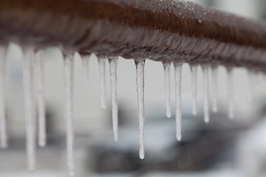
It's particularly suitable for both hot and cold water lines, refrigeration, air conditioning systems, and condenser coils. In domestic plumbing, it effectively reduces heat loss and helps prevent pipes from freezing, while also minimising water flow sounds for a quieter operation.
This insulation is also advantageous in in-floor radiant heating systems, enhancing energy efficiency, and in HVAC installations, where it aids in controlling temperature and condensation.
It performs reliably across a broad temperature range, maintaining its properties without rapid degradation. Its durability in outdoor environments makes it ideal for exposed applications.
Polyethylene insulation boasts UV resistance, making it an ideal choice for outdoor pipes, while its corrosion resistance is well-suited for geothermal and underground systems.
This ensures durability and consistent performance across various environments, making it a versatile solution for many applications.
Installation and Product Options
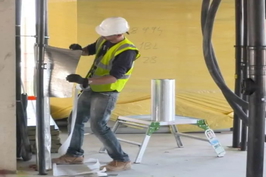
Proper installation of poly pipe insulation requires careful preparation and attention to detail. It begins with inspecting pipes for damage, leaks, and corrosion to ensure the insulation's effectiveness.
Surfaces should be cleaned and dried thoroughly, and pipe measurements taken accurately to select the correctly sized insulation. Using a brush or cloth, remove any debris, oils, or dirt to promote better bonding.
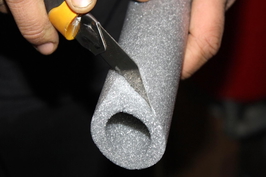
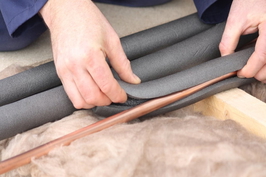
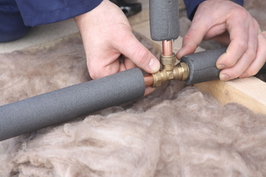
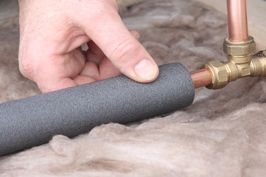
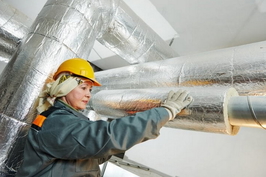
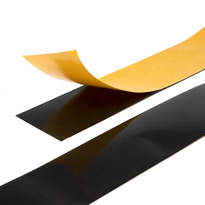
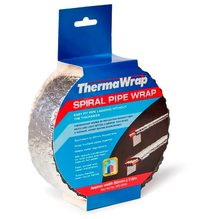
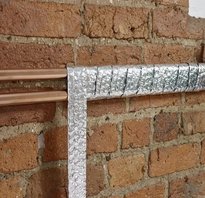
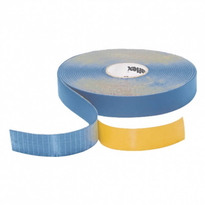
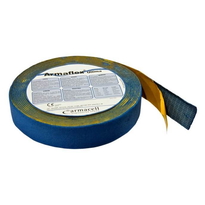
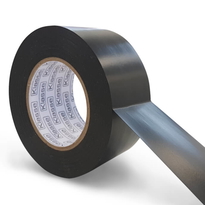
The insulation material must fit snugly; foam tubing can be easily slipped on and secured with tape, while fiberglass insulation can be wrapped loosely and fastened at regular intervals. Seal seams with adhesive tape to prevent heat loss.
For cold pipes, a vapour barrier jacket is essential, especially outdoors, where UV-resistant coverings provide protection against the elements.
Proper securing and sealing are crucial to prevent moisture and air leaks, ensuring long-lasting and efficient insulation.
Factors to Consider When Choosing Insulation
Choosing the right insulation is crucial and depends on several key factors that influence its effectiveness in a given environment.
Firstly, the difference between the temperature of the pipes and the surrounding ambient temperature plays a significant role in determining the necessary thickness of insulation. Larger temperature differentials require thicker materials to ensure optimal performance.
Secondly, insulation materials exhibit varying thermal properties. Options such as polyisocyanurate and polyurethane are particularly suited for high-temperature applications, providing excellent thermal resistance.
Thirdly, the size of the pipes is an important consideration. Larger pipes tend to lose heat more rapidly, necessitating more extensive coverage to prevent significant heat loss.
Additionally, environmental conditions are a critical factor. Outdoor pipes that are exposed to the elements need durable, weatherproof insulation solutions to withstand harsh conditions.
By taking these factors into account, you can ensure that the insulation selected provides efficient thermal protection, maintains energy efficiency, and helps prevent issues such as freezing or unwanted heat loss.
Understanding these aspects allows individuals to choose insulation that's tailored to their specific pipe systems and environments, fostering a sense of security in both work and home maintenance.
Maintenance and Longevity of Poly Pipe Insulation
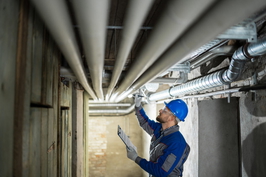
Regular inspection and maintenance are essential for ensuring the longevity and effectiveness of poly pipe insulation. Conducting visual checks allows for the identification of cracks, holes, wear, or moisture penetration in both the pipes and the insulation.
Establishing a maintenance plan with inspections at least once a year, or more frequently under high-stress conditions, helps ensure everything remains in optimal condition.
Cleaning should be done gently, ensuring that dirt and debris are removed without causing damage to the material. Monitoring the temperature of the pipes and insulation can provide insights into heat loss or weaknesses in the insulation.
Addressing issues such as cracks or moisture penetration promptly is crucial to prevent further deterioration. Protecting the insulation from environmental factors—such as employing weatherproof coatings or UV-resistant covers—can significantly extend its lifespan.
Proper installation techniques, effective sealing, and vibration-proof fastening are all vital in maintaining the insulation’s thermal properties over time, ensuring that it continues to perform effectively in the long term.
Conclusion
Poly pipe insulation is crucial for safeguarding pipes against temperature loss, moisture, and environmental factors. Various insulation materials provide differing levels of thermal performance and durability, making it important to select the appropriate type based on specific requirements and conditions.
Effective installation and ongoing maintenance are key to ensuring the longevity and optimal functioning of the insulation. By understanding these essential elements, one can choose the most suitable insulation solution, thereby extending the lifespan of pipes and enhancing overall efficiency.
With thoughtful consideration, poly pipe insulation serves as a dependable choice for a wide range of piping applications, contributing to better performance and protection in diverse environments.
Featured Articles on Poly pipe insulation