Reflective Insulation
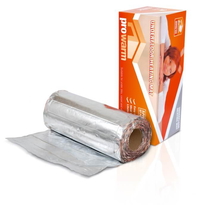
Reflective insulation primarily reduces heat transfer through reflective surfaces, typically aluminium foil, which deflects radiant energy away from the building. It functions most effectively when installed facing an air gap, enhancing its radiant barrier properties. Reflective insulation can reflect up to 95% of infrared radiation, making it an efficient choice for controlling heat flow.
This type of insulation is lightweight, durable, and straightforward to install, helping to lower cooling costs and maintain stable indoor temperatures. For optimal performance, correct placement and selection of materials are essential, enabling more effective thermal management techniques. Properly used, reflective insulation can significantly contribute to improved energy efficiency within UK buildings.
How Reflective Insulation Works to Reduce Heat Transfer
Reflective insulation reduces heat transfer primarily by reflecting radiant energy away from building surfaces. This makes it especially effective in minimizing heat gain in summer and heat loss in winter through electromagnetic waves. It achieves this by utilising shiny surfaces, often made of aluminium foil, which have a low emissivity. This means they can reflect up to 95% of infrared radiation. Reflective surfaces also emit very little heat themselves, enhancing their insulation properties. For optimal performance, reflective insulation should be installed facing an air space adjacent to the reflective surface. The air gap enhances its radiant barrier properties by allowing the reflected energy to be effectively contained. Typically positioned on roofs or attic floors, it intercepts infrared rays emitted by the sun or hot surfaces, preventing these rays from penetrating into interior spaces. In doing so, reflective insulation significantly decreases the amount of radiant heat entering or escaping a building, helping to maintain a more consistent indoor temperature efficiently and reducing reliance on heating or cooling systems. Proper installation minimizes thermal bridging, further improving its effectiveness in energy conservation.
Key Materials and Types of Reflective Insulation
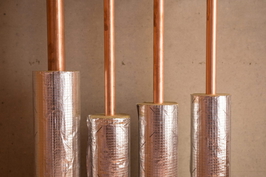
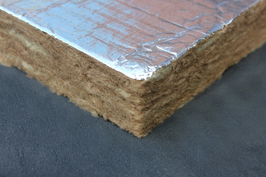
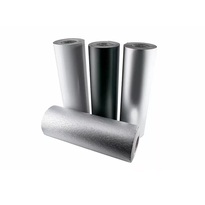
The key materials used in reflective insulation mainly consist of aluminium foil, plastic bubbles or foam, kraft paper, and polymer films, each serving a distinct functional purpose in the overall performance of the product. Aluminium foil acts as the primary reflective surface, often metallized to maximize reflectivity, thereby reducing radiant heat transfer. Plastic bubbles or foam function as the insulating medium, with polyethylene foam offering higher thermal resistance values and enhanced resistance to moisture, mold, and pests compared to air-filled bubbles. Kraft paper and polymer films provide durable backing or substrate materials laminated with foil to improve physical strength and adhesion. Variations such as single bubble, double bubble, and reflective foam insulations differ in construction, with some incorporating multiple layers or specialized coatings to improve thermal performance and durability, making them suitable for a diverse range of applications. The thermal performance of reflective insulation also depends on proper installation and positioning to ensure optimal reflective properties.
Benefits and Advantages of Using Reflective Insulation
Using reflective insulation offers numerous benefits that enhance a building’s energy performance and reduce ongoing operational costs.
It reflects between 94-97% of radiant heat, significantly decreasing heat transfer compared to traditional insulations. Its low emissivity (as low as 0.03) provides superior thermal resistance.
During hot months, reflective insulation can reduce summer heat gain by up to 97%, helping to maintain cooler roof decks—potentially by up to 30°C—and lowering cooling loads. This results in HVAC energy savings of approximately 10-20%. Polished aluminum reflects incident solar radiation before converting to heat, keeping roof decks up to 30°F cooler, according to Florida Solar Energy Center testing, and significantly reduces hot air trapped under roofs during summer.
In winter, it helps retain heat by reflecting infrared energy back indoors, promoting consistent comfort and reducing heating costs.
The material’s durability prevents the need for frequent replacements, ensuring long-term performance.
Its lightweight and flexible design eases installation, which can lead to reduced labor expenses.
When used alongside other forms of insulation, reflective insulation can further optimize overall thermal efficiency at minimal additional cost, supporting sustainable and cost-effective building practices across the UK.
Optimal Installation Practices and Performance Tips
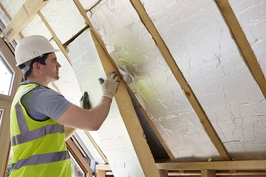
Proper installation of reflective insulation is essential to maximize its thermal performance and ensure long-term effectiveness. Correct placement and organization, such as facing the shiny side outward in loft spaces or aligning surfaces with the heat source, are critical.
Maintaining air gaps of at least 25 millimeters between the reflective surface and barriers prevents performance loss. Using suitable tools, like a staple gun or specialized tape, secures the material efficiently while avoiding compression, which reduces reflectivity.
Regular checks during installation help ensure correct positioning, orientation, and fastenings, while preventing overlaps that diminish insulation value. It's important to evaluate the specific space, adhere to local building regulations, and make necessary adjustments for optimal results.
Reflective insulation acts as a vapor retarder. This disciplined approach guarantees that reflective insulation performs reliably over time and contributes effectively to energy efficiency. Additionally, ensuring proper air gap management is vital because it enhances the reflective properties and overall thermal resistance of the insulation system.
Conclusion
Effective installation and proper selection of reflective insulation materials can significantly improve energy efficiency in buildings. By understanding how reflective layers reduce heat transfer through radiation, users can optimise their insulation strategies for both heating and cooling conditions. Adhering to recommended installation practices ensures maximum performance and durability. Consequently, integrating reflective insulation thoughtfully into construction or renovation projects offers a reliable, scientifically grounded approach to reducing energy costs and enhancing thermal comfort with minimal maintenance requirements.