

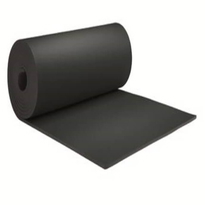
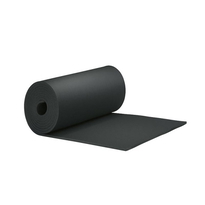
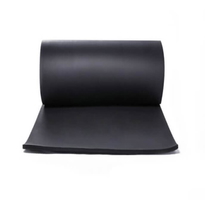
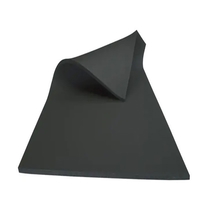
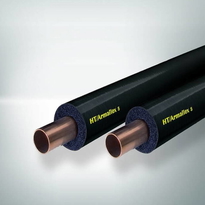
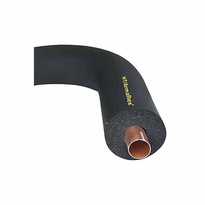
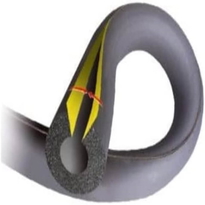
Self Adhesive Pipe Insulation
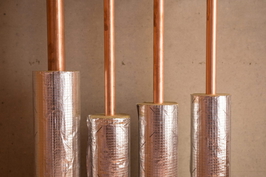
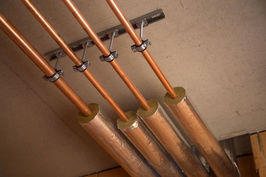
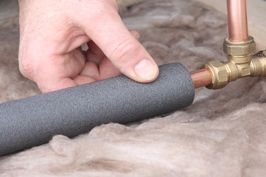
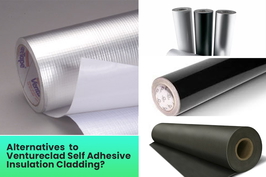
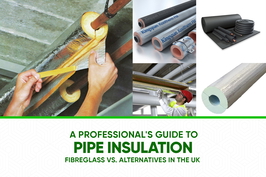
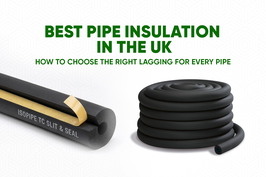
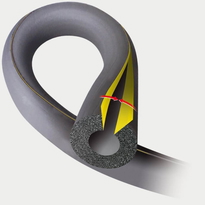
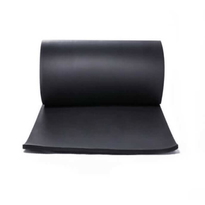
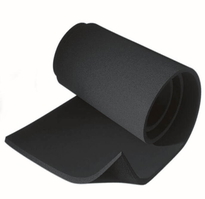
Self-adhesive pipe insulation is designed for quick and easy installation around various pipes, typically composed of materials such as foam rubber, fibreglass, or polyethylene foam. These systems feature a peel-and-stick backing with factory-applied adhesives, eliminating the need for additional glues or tools.
They provide a reliable, seamless seal that resists moisture, reduces heat transfer, and withstands various environmental conditions. Combining durability with simplicity, self-adhesive insulation is suitable for diverse applications, ensuring long-lasting thermal efficiency.
Explore how these advantages can enhance your project and provide effective solutions for your insulation needs.
Types and Materials of Self Adhesive Pipe Insulation
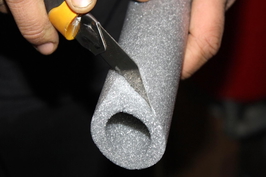
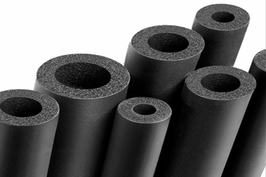
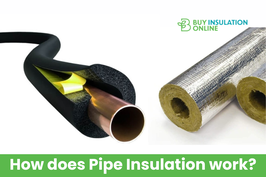
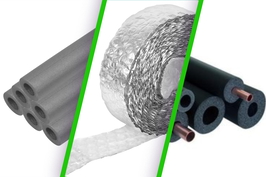
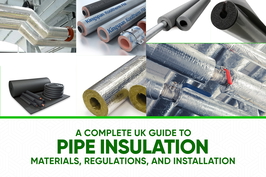
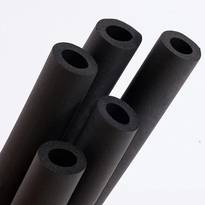
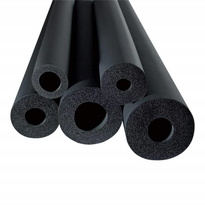
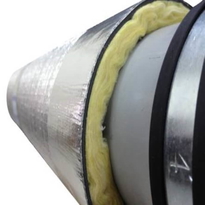
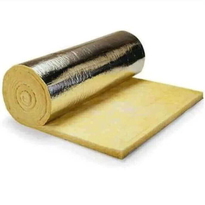
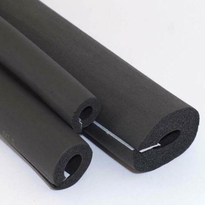
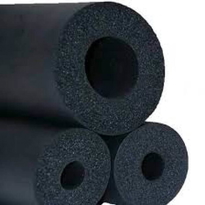
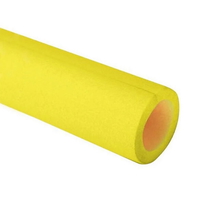
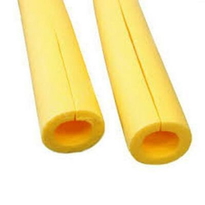
Self-adhesive pipe insulation is available in a range of materials, each crafted to effectively insulate pipes according to specific requirements. Foam rubber is a popular choice due to its flexibility, allowing it to conform easily to various pipe types, such as copper or PVC. Many foam rubber options feature self-seal strips, simplifying installation and ensuring an airtight fit. Fibreglass with an ASJ (all-service jacket) provides a rigid and fire-resistant solution, particularly suitable for hot water or steam pipes. This material also has mould-resistant properties, making it a reliable option for long-term use. Polyethylene foam is lightweight and straightforward to install, making it ideal for cold water pipes and HVAC systems. Its ease of use is a significant advantage for both professionals and DIY enthusiasts. Rubber-based self-seal insulation combines durability with flexibility, offering resistance to moisture and UV damage, thus prolonging the life of the insulation. Some materials can also be customized with additional coatings or facings to enhance specific properties like moisture or fire resistance. To secure insulation materials and seal joints, self-adhesive tapes are employed, ensuring that there are no gaps for air or moisture to penetrate. These materials collectively address a wide array of insulation needs, providing effective and user-friendly solutions for pipe insulation in various settings.
Benefits of Using Self Adhesive Systems
Self-adhesive pipe insulation provides a straightforward and efficient installation process, significantly reducing time and effort compared to traditional methods. Its robust adhesive guarantees a dependable seal, preventing gaps that could compromise insulation performance. By ensuring consistent insulation, this product enhances energy efficiency and safeguards pipes for the long term. Whether you're looking to reduce heating costs or protect your plumbing system, self-adhesive insulation is a practical choice for homeowners and businesses alike. It not only simplifies the application but also contributes to a more sustainable environment by minimising energy loss. Proper installation techniques are essential to maximize the effectiveness and longevity of the insulation.
Easy and Fast Installation
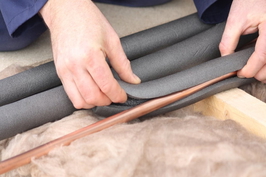
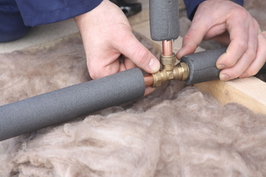
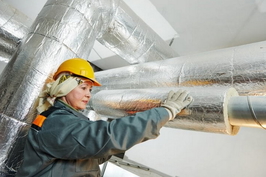
Installing pipe insulation can often be a laborious task, but these challenges are greatly alleviated with self-adhesive systems. The pre-applied adhesive and factory-made cuts make fitting around pipes quick and straightforward, eliminating the need for additional glues or messy adhesives. The ease of installation also helps ensure that insulation is applied more consistently, improving its overall effectiveness. This method requires fewer tools and less manpower, enabling workers to complete projects more swiftly and efficiently. The peel-and-stick design allows installers to easily manage insulation in tight or awkward spaces, making the process more comfortable and less physically demanding. Thanks to its simple installation steps, even less experienced workers can apply it with confidence, ensuring a proper seal in less time. Overall, this approach helps save on labour hours, reduces costs, and streamlines the entire procedure, making pipe insulation faster and more accessible for everyone involved.
Strong and Reliable Seal
A strong and reliable seal is crucial for effective pipe insulation, and self-adhesive systems excel in delivering this protection. Their pressure-sensitive adhesive forms a tight, permanent bond that effectively prevents gaps along seams and joints. The closed-cell structure, combined with the adhesive, ensures that pipes are sealed against air and moisture intrusion, thereby enhancing insulation integrity. This adhesion also prevents the insulation from slipping or shifting over time, even in environments that experience high levels of vibration. Self-adhesive systems significantly reduce the likelihood of installation errors, as the factory-applied adhesive guarantees consistent sealing quality. The robust bond helps to minimise any gaps that could potentially lead to thermal bridging and energy loss. Additionally, Armaflex self-seal pipe insulation is designed to withstand various environmental conditions, ensuring long-lasting performance and durability.
Maintains Consistent Insulation
Maintaining consistent insulation is one of the principal benefits of employing self-adhesive pipe insulation. It significantly reduces heat loss, enabling transported fluids to retain their temperature effectively. This leads to lower energy costs, as less energy is required to heat or cool the pipes.
The insulation also helps to stabilise water temperatures, preventing sudden fluctuations that can result in discomfort or inefficiency within the system.
Moreover, the foam and elastomeric materials utilised have low thermal conductivity, which further enhances their insulating performance. These systems are also designed to manage condensation and moisture accumulation through the use of vapour barriers, thereby safeguarding against corrosion and potential pipe damage.
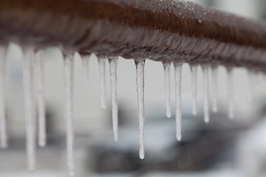
In colder climates, self-adhesive insulation is particularly beneficial as it protects pipes from freezing, consequently minimising the risk of expensive repairs.
Ideal Applications and Suitable Surfaces
Self-adhesive pipe insulation is particularly well-suited for a wide range of applications, especially where energy efficiency and moisture control are paramount. It is effective on both hot and cold water pipes, assisting in temperature maintenance and condensation prevention. This insulation's versatility makes it ideal for residential, commercial, and industrial environments, including HVAC systems, refrigeration lines, and industrial pipelines. It also offers freeze protection in colder climates, safeguarding pipes from freezing and bursting.
The insulation adheres best to smooth, clean surfaces such as copper, steel, PVC, and PEX pipes. Ensuring that surfaces are free from dust, oil, and moisture during application is crucial for achieving a strong bond and lasting durability. Consequently, self-adhesive pipe insulation emerges as a dependable solution for maintaining safe, energy-efficient piping systems across various settings.
Suitable for |
Surface Requirements |
| Copper, steel, PVC, PEX | Smooth, clean, free from dust and oil |
| Cold and hot pipes | Dry and free from moisture |
| Residential use | Minor surface irregularities |
| Industrial settings | Compatible with both metal and plastic |
Installation Guidelines and Best Practices
Proper installation of self-adhesive pipe insulation begins with thorough surface preparation, ensuring pipes are clean, dry, and free from contaminants.
It's essential to apply the adhesive correctly by using the appropriate amount and pressing seams firmly to create airtight joints.
Sealing all seams and joints with lap and butt strips ensures that the insulation remains vapour-tight and effective over time.
By adhering to these best practices, you can maximise the performance of your insulation and contribute to energy efficiency in your home or business.
Always prioritise quality materials and meticulous installation techniques for optimal results.
Surface Preparation Techniques
Effective surface preparation is crucial to ensure a robust bond between pipe insulation and the substrate.
Initially, all oil, grease, dirt, and other contaminants must be thoroughly eliminated using appropriate cleaners such as solvents, vapour degreasers, or steam cleaning. Light soil can be removed with a mixture of isopropyl alcohol and water, while more substantial oils may necessitate the use of degreasers or solvent-based cleaners like mineral spirits.
Once cleaned, it's vital that surfaces are dried completely to prevent any weak adhesion that may arise from moisture.
To enhance bonding, surfaces can be prepared to a near-white blast cleaning standard, with an appropriate blast profile assessed using Testex Tape. The application of primers or rust-proof coatings is advisable to improve adhesion, particularly on low-energy surfaces or metal pipes.
Additionally, adequate surface roughness improves mechanical keying and adhesion strength, especially on smooth or coated surfaces.
Lastly, a thorough inspection of the surface is essential to ensure it's clean, dry, and ready for insulation.
Proper Adhesive Application
Applying adhesive correctly during the installation of pipe insulation is vital for ensuring a robust, durable bond. To achieve this effectively:
Carefully remove the release strip before pressing the surfaces together to avoid contamination.
Apply firm, even pressure using tools such as a squeegee or flexible brush. Begin from the centre of the joint and work outwards to prevent the formation of air pockets.
Only use adhesives that are recommended by the manufacturer, applying a thin, uniform layer on both surfaces to guarantee proper curing.
Rubbing the adhesive with continuous pressure enhances the strength of the bond and improves its vapour tightness.
Maintaining appropriate temperature and humidity during the application process is essential, as these factors significantly influence the quality of adhesion.
Ensuring good adhesion will create a reliable, long-lasting seal, allowing your insulation system to perform at its best.
Seam and Joint Sealing
Seam and joint sealing is crucial for preserving the integrity of pipe insulation systems. Effective sealing prevents moisture ingress, draughts, and heat loss, thereby enhancing efficiency and longevity.
A variety of tapes and materials are employed for this purpose. Aluminium foil tape is ideal for uneven surfaces, while vapour seal tapes, with clearly marked edges, facilitate quick sealing. Strong pressure-sensitive adhesive tapes are commonly used with factory-made insulation.
It is essential to apply tape continuously along seams, ensuring overlaps of at least one inch when multiple pieces are necessary. The tape should be applied firmly to eliminate any gaps, particularly in vapour barriers, to prevent moisture infiltration. Proper sealing also contributes to overall building energy efficiency. Environmental factors, such as temperature, must also be taken into account. High-temperature tapes are designed to withstand extreme heat, making them suitable for specific applications.
For optimal results, it's advisable to install insulation immediately after fitting and to smooth the tape edges. These practices contribute to a reliable and durable seal, ensuring the effectiveness of the insulation system over time.
Key Performance Features and Thermal Efficiency
Self-adhesive pipe insulation offers exceptional performance features that enhance thermal efficiency and safeguard pipes in various conditions.
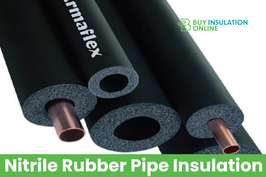
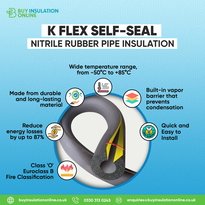
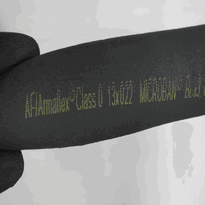
Its closed-cell elastomeric foam structure serves as a robust barrier against water vapour, significantly reducing condensation and preventing corrosion. The low thermal conductivity ensures outstanding insulation, minimising heat loss or gain effectively. Made from Class O flexible, closed cell, elastomeric nitrile rubber, this insulation is durable and suited for a wide range of applications. Available in a range of thicknesses, this insulation can be tailored to meet specific requirements, while the pre-applied adhesive simplifies installation, facilitating tight, seamless seals.
It maintains consistent performance across a wide temperature spectrum, from below freezing to well over 200°F. Additionally, it resists moisture absorption, providing protection for pipes in humid settings.
Overall, these attributes deliver reliable, energy-saving solutions that promote indoor comfort and environmental sustainability.
Water vapour barrier prevents condensation build-up.
Low thermal conductivity for efficient insulation.
Strong, seamless seals via self-adhesive backing.
Maintains performance across broad temperature ranges.
Comparing Self Adhesive to Other Adhesive Methods
When compared to other adhesive methods, self-adhesive pipe insulation provides notable advantages in terms of installation speed and simplicity. It features a pre-applied adhesive layer, which enables quick and straightforward fitting without the need for additional glue or tape. This not only reduces labour but also minimises the risk of errors, ensuring a secure fit that effectively prevents slippage or gaps. Insulate all hot and cold water supply pipes Unlike traditional liquid adhesives or tape, which often require multiple steps and extensive surface preparation, self-adhesive options streamline the process significantly. Many of these products also come with built-in vapour barriers, aiding in the prevention of moisture-related problems such as condensation and corrosion. Additionally, self-adhesive insulation is designed to conform closely to various pipe shapes and can endure a wide range of temperatures, making it versatile for numerous environments. Although the initial investment may be higher, the time saved and the durability offered make it a popular choice among professionals in the UK.
Maintenance, Inspection, and Longevity
Regular maintenance and inspection are vital to ensure the ongoing performance of self-adhesive pipe insulation. To keep it in optimal condition, visual checks should concentrate on:
Peeling or cracking that indicates adhesive failure.
Damaged seams or joints requiring resealing.
Accumulations of dirt, oil, or debris on pipes that could hinder proper adhesion.
Moisture buildup or damage resulting from impacts or abrasions.
Conducting routine inspections helps to identify issues early, preserving insulation effectiveness.
Employ sealing tools to confirm tight bonds, particularly at fittings and valves. Safeguard insulation from environmental damage and physical impacts, and address any tears or gaps promptly.
Proper upkeep extends the lifespan of insulation, reduces energy costs, and enhances safety, instilling confidence in the system’s efficiency and durability.
Considerations for Selecting the Right Insulation
Selecting the appropriate insulation is essential and hinges on a comprehensive understanding of how various factors impact its performance. The size of the pipes, the temperature they'll encounter, and the materials involved all play a role in determining insulation requirements.
Larger pipes necessitate thicker insulation to minimise heat loss, particularly in systems operating at elevated temperatures. Metal pipes, due to their superior heat conductivity, demand more insulation compared to plastic alternatives. Environmental conditions, such as colder climates, further emphasise the need for thicker insulation to prevent freezing and reduce energy wastage.
The choice of insulation material, be it polyethylene foam or mineral fibre, presents different advantages based on thermal resistance and overall suitability for the intended application. Additionally, spatial constraints may limit the thickness of insulation that can be utilised, while budget considerations often influence the selection of materials.
Utilising appropriate adhesives that can endure environmental conditions is crucial for ensuring the longevity and durability of the insulation system.
Enhancing Insulation Performance With Protective Accessories
Protective accessories play a vital role in enhancing the performance and durability of pipe insulation systems. They improve insulation efficiency, prevent damage, and extend the lifespan of the insulation.
Several accessories effectively serve these purposes:
Self-adhesive foam tubes easily slip around pipes of various sizes, sealing gaps without the need for additional materials.
Fibreglass wraps include vapour barriers that block moisture, ensuring the insulation remains dry and effective.
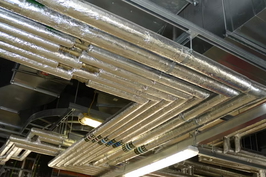
Aluminium foil coatings reflect heat, reduce condensation, and enhance fire resistance.
Protective jackets made from polymer or foil materials create a water-resistant surface that resists mould and mildew growth.
Utilising these accessories boosts energy efficiency, simplifies installation, and protects insulation from environmental damage.
This results in a more reliable, long-lasting system that fosters a sense of security and belonging.
Conclusion
Self-adhesive pipe insulation provides a practical and efficient solution for insulating pipes in a variety of applications. Its straightforward installation, robust adhesive properties, and excellent thermal performance make it a preferred choice among homeowners and professionals alike.
Choosing the right insulation depends on factors such as surface type and environmental conditions, which can greatly influence its longevity and effectiveness.
Regular maintenance is essential to sustain the benefits of insulation, while additional protective accessories can enhance durability even further.
Overall, self-adhesive systems are a reliable and cost-effective method for improving energy efficiency and preventing pipe damage in the UK.
Featured Articles on Self adhesive pipe insulation