

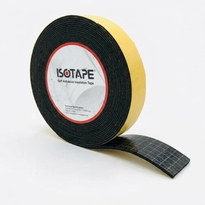
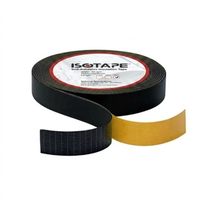
What Is Thermal Insulating Tape and How Does It Work?
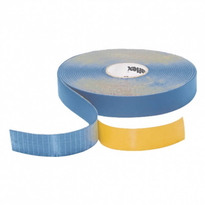
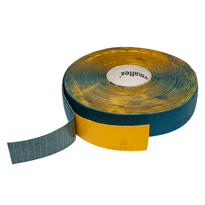
Thermal insulating tape is a specialised material designed to minimise heat transfer between surfaces. Acting as a barrier, it effectively slows the movement of heat, helping to maintain desired temperatures and enhance energy efficiency.
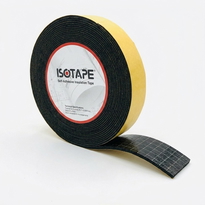
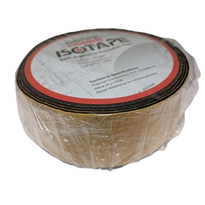
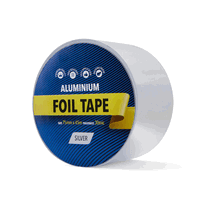
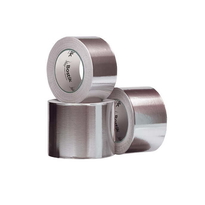
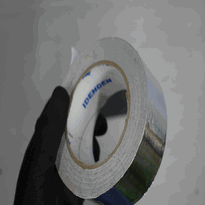
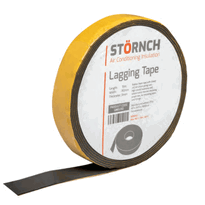
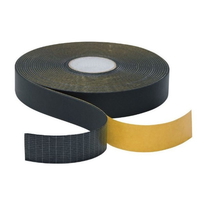
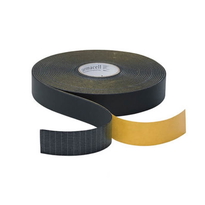
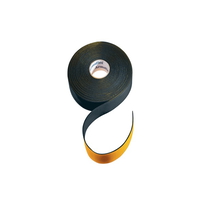
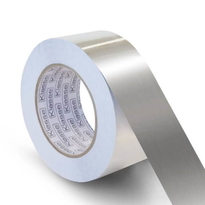
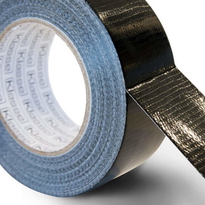
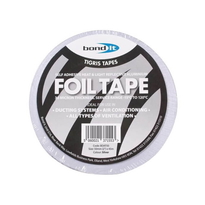
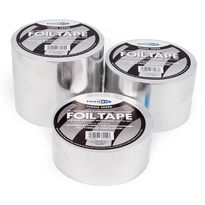
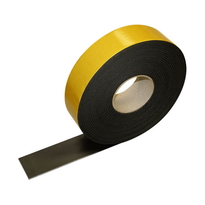
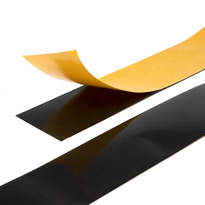
This tape is typically constructed from materials such as foam, foil, or fabric, each serving to reflect, insulate, or trap heat. When applied to various surfaces, it significantly reduces heat loss or gain by blocking both conduction and radiation.
One of the key advantages of thermal insulating tape is its flexibility, allowing it to conform to corners and irregular shapes for even coverage. This versatility makes it ideal for a wide range of applications, from home insulation to automotive repairs.
By effectively controlling heat flow, thermal insulating tape contributes to a more comfortable environment and can lead to notable savings on heating and cooling expenses.
Its straightforward yet effective design makes it an essential tool for those looking to enhance energy efficiency in their homes or vehicles.
Factors to Consider When Choosing Insulation Tape
Choosing the right insulation tape involves several key factors.
First, consider the insulation material’s thermal resistance, as this indicates its effectiveness in preventing heat transfer.
Next, evaluate the adhesive quality of the tape. It’s essential that it adheres securely without causing damage to surfaces.
Durability is another vital aspect; the tape should be capable of withstanding various environmental conditions, including moisture, fluctuations in temperature, and exposure to UV light.
Compatibility with different surfaces is important too, as some tapes perform better on materials such as plastics, metals, or wood.
Ease of application is worth noting—opt for a tape that's user-friendly and manageable.
Finally, assess the cost-effectiveness, aiming for a balance between quality and affordability.
How to Apply Insulation Tape for Best Results
Applying insulation tape correctly is essential for ensuring maximum effectiveness and longevity.
First, clean the surface thoroughly to remove any dust, grease, or moisture. This preparation allows the tape to adhere securely.
When you begin applying the tape, start at one end and press it down firmly as you unroll it. As you work, smooth out any air bubbles or wrinkles using a cloth or roller.
To create a tight seal, overlap each strip by approximately half the width of the tape.
When wrapping around curves or uneven surfaces, gently stretch the tape to ensure a snug fit. However, avoid excessive stretching, as this can compromise the adhesive strength.
Finally, press down the edges of the tape to secure them properly.
Proper application is crucial in maintaining insulation performance, preventing gaps and moisture infiltration, and reducing the risk of damage.
Common Uses of Thermal Insulating Tape
Many industries and DIY projects in the UK rely on thermal insulating tape for its versatility and effectiveness.
It’s commonly used to trap heat and prevent cold air from entering or warm air from escaping, making it invaluable in HVAC systems and around windows. This tape also helps reduce energy costs by enhancing insulation.
In automotive applications, it insulates pipes and protects electrical wiring from heat damage. DIY enthusiasts often utilise it to seal gaps in home insulation or to insulate pipes and ducts.
Additionally, thermal insulating tape is employed in electronics to prevent overheating of sensitive components. Its flexibility and adhesive properties make it suitable for a variety of surfaces, ensuring that individuals can enhance comfort, safety, and energy efficiency in their spaces.
Troubleshooting Insulation Tape Performance
If thermal insulating tape isn't performing as anticipated, it's vital to pinpoint the cause to devise an effective solution. Common issues include inadequate adhesion, gaps, or degradation over time. To troubleshoot, consider the following factors:
Issue |
Possible Cause |
| Tape peeling off | Surface not clean or textured |
| Reduced insulation | Tape exposed to heat or moisture |
| Gaps or air pockets | Incorrect application technique |
| Cracking or tearing | Tape aged or overstressed |
| Poor thermal resistance | Using the wrong type of tape or low quality |
Ensuring surfaces are clean, selecting the appropriate tape, and applying it correctly can resolve most issues. If uncertain, testing small sections first can foster confidence and a sense of belonging among DIY enthusiasts and professionals alike.
Conclusion
Thermal insulating tape is an essential tool for minimising heat transfer and enhancing energy efficiency. When choosing and applying the appropriate tape, it is crucial to consider factors such as temperature resistance and surface compatibility to ensure optimal performance.
Employing correct application techniques can significantly improve insulation results. Additionally, understanding common applications can broaden its effectiveness across various scenarios. Troubleshooting guidelines assist in maintaining the tape's durability and efficiency over time.
In summary, thermal insulating tape provides a practical and effective solution for managing heat in numerous environments.