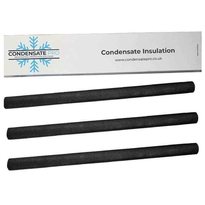
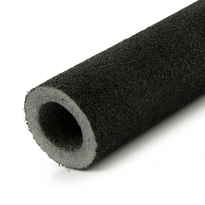
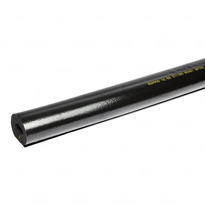
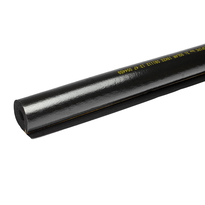
Weatherproof Pipe Insulation
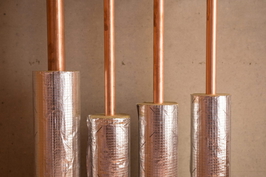
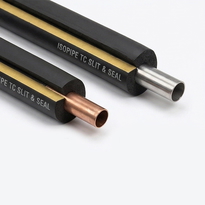
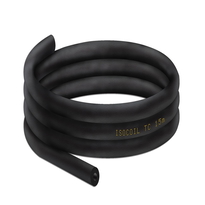
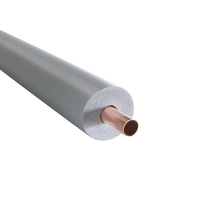
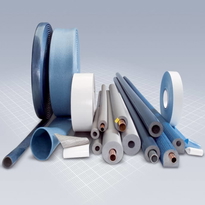
Weatherproof pipe insulation employs materials such as polyurethane foam, polyethylene, or foam glass to safeguard pipes from moisture, temperature fluctuations, and environmental degradation. Effective insulation enhances durability, prevents freezing, and ensures efficient flow in outdoor or challenging conditions.
When selecting insulation, it is vital to consider factors such as the type of insulation, its thickness, and the sealing methods used. Properly installed weatherproof insulation not only extends the lifespan of pipes but also reduces maintenance expenses.
For those looking to choose and apply the most suitable solutions, there are numerous options available to explore in detail.
Common Materials Used in Weatherproof Pipe Insulation
Weatherproof pipe insulation is crafted from a range of materials, each selected for its unique properties and suitability for various applications.
Polyurethane foam provides excellent thermal resistance and durability, making it ideal for refrigeration pipes.
Polyisocyanurate, commonly known as PIR foam, is recognised for its fire-resistant qualities and its ability to endure high temperatures.
Closed-cell foams, such as polyurethane and PIR, effectively resist moisture absorption, thereby preventing any potential damage to the insulation.
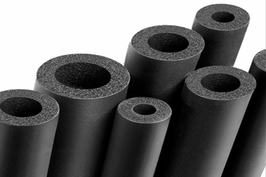
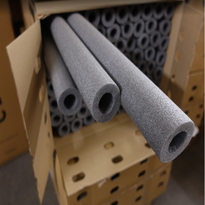
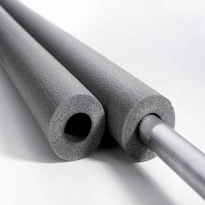
Lightweight and flexible, polyethylene foam is frequently utilised in cooling systems across both residential and commercial settings.
Foam glass, produced from crushed glass, offers rigid, moisture-resistant insulation that's particularly suitable for cryogenic and low-temperature pipes.
These materials ensure that pipes remain safeguarded against the elements, moisture, and temperature fluctuations, establishing a reliable barrier that homeowners and professionals in the UK can depend upon for their insulation needs.
Key Properties to Consider When Choosing Insulation
When selecting the appropriate pipe insulation, it is essential to consider several key properties that influence its performance and longevity. The thickness of insulation varies with both pipe size and the temperature of the materials it encases, often requiring substantial depth to ensure efficiency.
Thermal conductivity, often referred to as the "k-value," plays a crucial role in determining how effectively the material insulates; a lower k-value signifies better insulative properties. The R-value is another important measure of insulation effectiveness, with higher values generally required for outdoor applications to prevent heat loss and avoid freezing.
Moisture and vapour resistance are also vital considerations; effective vapour barriers prevent water from compromising insulation integrity or leading to rust. Durability is paramount as well; materials that offer robust protection, such as stainless steel jacketing, can withstand various environmental challenges and impacts.
By carefully selecting insulation based on these properties, one can ensure enduring, weatherproof pipe insulation that performs reliably across diverse climate conditions.
Property |
Importance |
| Insulation Thickness | Prevents heat loss, tailored to temperature and size needs |
| Thermal Conductivity | Indicates insulative efficiency; lower is preferable |
| R-Value | Measures effectiveness; higher values for outdoor use |
| Vapour Resistance | Prevents moisture ingress and corrosion |
| Mechanical Strength | Ensures durability against environmental damage |
Benefits of Weatherproof Pipe Insulation in Various Environments
In various environments, the advantages of weatherproof pipe insulation are particularly pronounced, as it protects pipes from moisture, temperature fluctuations, and environmental harm.
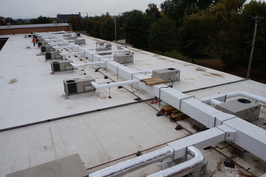
In outdoor or challenging conditions, weatherproof insulation prevents water ingress, thereby minimising corrosion and the risk of freeze damage. This is especially critical in areas with high humidity or frequent rain. It ensures that insulation remains dry, which is crucial for maintaining thermal performance and energy efficiency. This resilience is vital for industrial, residential, and commercial outdoor systems that face exposure to rain, wind, and sunlight.
Effective weatherproofing enhances the longevity of piping systems, leading to lower maintenance and replacement costs.
Furthermore, it guarantees consistent operation by mitigating temperature variations and mechanical stress from environmental exposure.
Installation Tips for Optimal Weatherproofing
Proper installation is essential for ensuring that weatherproof pipe insulation functions effectively over the long term. Start by measuring the entire length of the pipes to prevent shortages or excess material.
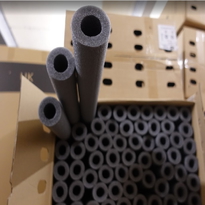
It's also crucial to clean the pipes thoroughly, removing any dirt, rust, or moisture, as this will enhance the adhesion of the insulation and prolong its lifespan. Cleanliness improves insulation adherence. Select the appropriate type of insulation—such as foam sleeves, pipe-wrap, or fibreglass—based on the size of the pipes, the environment, and the level of exposure they'll face. It's important to ensure that the insulation is suitable for the local temperature extremes.
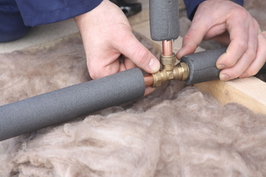
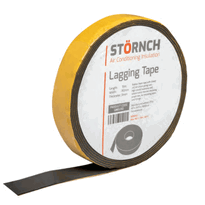
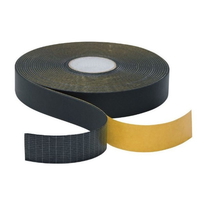
When applying the insulation, wrap the pipes tightly, but take care not to compress the material, as this can lead to gaps. For pipe-wrap insulation, use overlapping spirals and secure everything with robust tape or zip ties.
Seal all seams with waterproof tape or sealant, and consider adding protective covers for outdoor applications.
Industry Applications for Durable Pipe Insulation
Durable pipe insulation is essential across numerous industries in the UK, offering reliable temperature control to prevent pipes from freezing or overheating. The use of fire-resistant materials enhances safety standards, minimising risks in environments where fire safety is paramount. Micro-Lok HP Pipe Insulation is a trusted solution that meets all industry performance requirements for mechanical systems. Moreover, specialised weatherproof coatings safeguard pipes against moisture and environmental damage, ensuring enduring performance even in harsh conditions. This insulation not only contributes to energy efficiency but also plays a significant role in maintaining the integrity of piping systems, ultimately reducing maintenance costs and downtime. In sectors such as construction, manufacturing, and utilities, the importance of effective pipe insulation can't be overstated. By investing in high-quality insulation solutions, businesses can enhance operational efficiency while ensuring compliance with safety regulations. The choice of materials and installation techniques can significantly impact the overall performance and longevity of pipe systems, making it crucial for industry professionals to select the right products for their specific applications.
Industrial Temperature Control
Industries across the UK rely on effective pipe insulation to maintain optimal temperatures and ensure seamless operations. Proper insulation plays a crucial role in minimising heat loss or gain, which is essential for maintaining stability in both static and dynamic systems. Common materials such as fibreglass and mineral wool are tailored for various temperature ranges and environments, offering reliable performance for diverse applications.
The thickness of insulation is vital for achieving energy savings and enhancing process efficiency. By reducing the operational costs associated with heating or cooling fluids, well-insulated pipes contribute significantly to overall productivity. Furthermore, proper insulation prevents condensation on cold pipes, mitigating the risk of corrosion and thereby extending the lifespan of the piping system.
Selecting the right insulation material is essential for ensuring optimal function in each application, based on specific environmental and operational requirements.
Key applications of pipe insulation include:
Application |
Material |
Temperature Range |
| Power generation | Mineral wool | High-temperature settings |
| Chemical processing | Fibreglass | Moderate to high temperatures |
| HVAC systems | Fibreglass | Comfortable temperature ranges |
| Extreme environments | Mineral wool | Very high-temperature conditions |
Fire-Resistant Safety Measures
Fire-resistance safety measures are crucial for safeguarding pipelines and equipment in industrial environments where the risk of fire can lead to significant damage and safety concerns.
These measures ensure that pipe insulation can endure exposure to fire, effectively preventing the spread of flames and hot gases. Insulation materials must adhere to rigorous standards that assess fire resistance and smoke production. Key attributes include maintaining fire integrity over extended periods.
Utilisation of mineral wool, elastomeric foam, or composite systems to enhance fire safety.
Installation of single-piece systems that offer continuous protection at pipe penetrations.
Application of fire-resistant coatings and facings to elevate performance during fire incidents.
These safety measures assist industries such as oil, gas, and chemicals in safeguarding their essential infrastructure and ensuring workplace safety. Testing and compliance with ASTM E84 are essential components in evaluating the fire safety of insulation materials. This fosters a collective sense of responsibility and care among all stakeholders.
Environmental and Safety Factors in Insulation Selection
When selecting weatherproof pipe insulation, fire safety standards and weather resistance capabilities are essential considerations. Insulation materials must comply with safety regulations to mitigate fire hazards, particularly for outdoor applications. The importance of adhering to fire safety standards cannot be overstated, as it helps prevent potential disasters. Furthermore, they must endure environmental stresses such as rain, wind, and fluctuations in temperature to provide enduring protection. Choosing the right insulation not only enhances safety but also contributes to energy efficiency. High-quality insulation materials can significantly reduce heat loss, ultimately leading to lower energy costs. In the UK, it's crucial to select insulation that not only meets fire safety criteria but also offers robust performance against the unpredictable British weather. Look for materials that are both durable and reliable, ensuring they can withstand the elements while maintaining their insulating properties over time.
Fire Safety Standards
Fire safety standards are vital when selecting suitable pipe insulation, as they ensure that materials don't contribute to fire growth or the emission of smoke.
These materials must comply with specific ratings, such as the ASTM E84, which assesses flame and smoke spread. For instance, pipe insulation positioned above suspended ceilings should adhere to the 25/50 flame/smoke criteria, indicating minimal fire spread and smoke production.
Adhering to standards such as ASTM E119 and UL 1709 further guarantees the material's fire resistance, particularly for commercial or industrial applications.
Insulation materials like mineral wool and calcium silicate inherently resist fire and reduce smoke emissions.
PVC-jacketed insulation must successfully pass combined flame and smoke tests to be deemed safe for use.
Proper installation and ongoing maintenance are essential for ensuring continuous fire safety performance over time.
Weather Resistance Capabilities
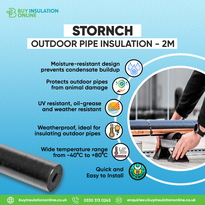
Weather resistance capabilities are crucial considerations when choosing pipe insulation for outdoor applications. Insulation must endure various environmental factors such as UV rays, wind, rain, and snow to maintain its effectiveness over time. Insulation slows down heat flow, which helps delay freezing of pipes in cold weather, adding an extra layer of protection. UV-resistant materials play a vital role in preventing degradation caused by sunlight, thereby preserving the insulation’s structural integrity and protective function. Durable outer layers are essential for resisting hail, debris, and wind, ensuring that pipes remain adequately covered and protected. Moisture resistance is equally important; closed-cell insulations, such as polyethylene foam, effectively repel water, thus preventing leaks and corrosion. Furthermore, proper sealing and mechanical securing are necessary to prevent insulation from shifting due to weather or vibrations. Materials should also be capable of withstanding physical impacts from wildlife or debris without sustaining damage.
Conclusion
Weatherproof pipe insulation provides vital protection against environmental elements, enabling pipes to withstand freezing, corrosion, and damage. Selecting the correct materials, taking into account key properties, and adhering to proper installation practices are essential for optimal performance. Its resilience benefits a wide range of industries, from residential to commercial applications.
By opting for insulation that balances safety, environmental considerations, and effectiveness, users can prolong the lifespan of pipes and enhance energy efficiency. Ultimately, effective weatherproofing is a fundamental step in maintaining reliable and safe piping systems.
Featured Articles on Weather proof pipe insulation