Best Insulation for Condensate Pipe
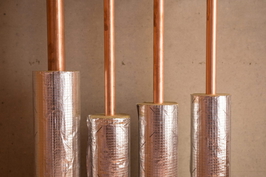
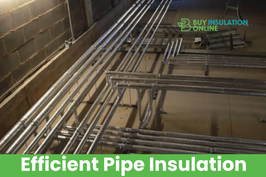
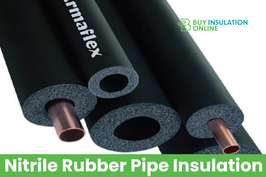
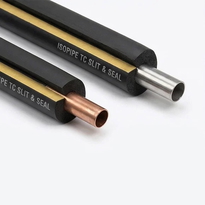
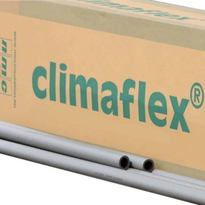
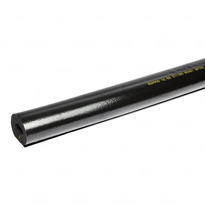
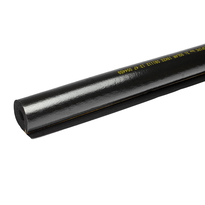
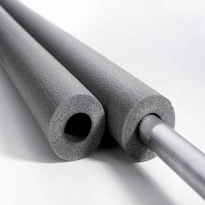
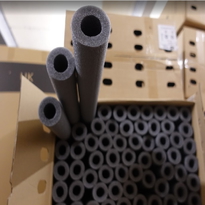
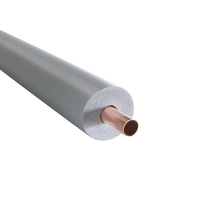
Polyethylene foam, polyurethane, and elastomeric foam are the most suitable insulation options for condensate pipes due to their excellent thermal resistance, moisture resistance, and flexibility. These properties enable easy installation around pipes, joints, and bends, ensuring continuous insulation coverage.
Mineral wool or foam glass may also be utilized for high-temperature environments typically found in industrial settings, given their superior ability to withstand elevated temperatures.
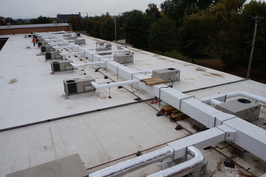
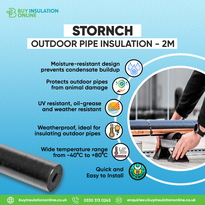
For outdoor pipes, it is advisable to use weatherproofing and UV-resistant coatings to protect the insulation from the elements, thereby extending its lifespan and maintaining efficiency.
Proper installation is essential to ensure seamless thermal coverage, prevent heat loss, and maximize system efficiency. When selecting insulation for condensate pipes, consider the specific environmental conditions and the thermal performance requirements to achieve optimal results.
Types of Insulation Materials for Condensate Pipes
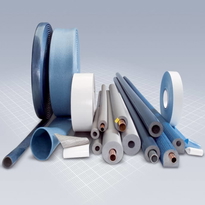
Selecting the appropriate insulation material for condensate pipes is a vital step in ensuring efficient temperature regulation, preventing condensation, and reducing energy loss. Choosing the correct insulation type can significantly impact system performance and maintenance costs. Polyethylene foam insulation offers flexibility and lightweight installation, making it suitable for a variety of pipe sizes and configurations. Its excellent moisture resistance helps prevent mold growth and condensation issues, while also providing sound dampening to reduce operational noise. For higher temperature applications, polyurethane and polyisocyanurate (PIR) foams deliver superior thermal resistance. PIR, capable of withstanding continuous temperatures up to 150°C, is ideal for industrial environments requiring robust insulation. Polystyrene insulation effectively manages low-temperature conditions, providing a consistent thermal barrier. Meanwhile, mineral wool and fiberglass can tolerate high temperatures and offer additional fire resistance, making them suitable for use in more challenging environments. Foam glass, produced from crushed glass, offers durable and moisture-proof insulation suitable for cold-store facilities and industrial settings, ensuring long-lasting performance in demanding conditions. Incorporating insulation made from renewable raw materials, such as wood fibre, can further boost the sustainability of your system and reduce environmental impact. Ensuring the correct choice of insulation material enhances the efficiency and safety of condensate pipe systems across various applications.
Key Factors to Consider When Insulating Condensate Pipes
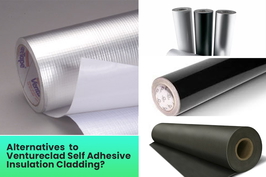
When insulating condensate pipes, it's essential to consider their location and environmental exposure, as these factors play a crucial role in determining the most suitable insulation materials and methods of installation. The environment directly influences the selection of insulation materials, ensuring durability and effectiveness under specific conditions. Outdoor pipes are subjected to weather conditions, such as rain, wind, snow, and sunlight. To protect these pipes effectively, use durable weatherproofing materials, external cladding, and UV-resistant coatings. These measures help prevent deterioration over time and maintain the insulation’s integrity. Indoor pipes, on the other hand, primarily require insulation to prevent condensation and moisture damage within the building. Insulating these pipes helps avoid issues such as water dripping or mould growth caused by temperature differences between the pipe surface and the surrounding air. When pipes pass through exterior wall cavities or unheated spaces, it's advisable to insulate them with materials like polyurethane foam or batt insulation. These insulations should be carefully shaped and fitted around the pipe to minimise heat loss, prevent condensation, and avoid cold bridges. Key considerations include: Assess the environment—whether pipes are indoors or outdoors—to select appropriate insulation types and thicknesses. Use moisture barriers or vapour retarders to prevent water ingress, condensation, and moisture-related issues. Ensure the insulation fully covers all sections of the pipe, including joints, bends, and connections, to maintain continuous thermal protection. Take into account environmental factors such as UV exposure, freezing temperatures, and potential mechanical damage when choosing and installing the insulation. Proper selection and installation of insulation tailored to the pipe’s location will help improve energy efficiency, prevent moisture problems, and extend the lifespan of the condensate pipework. Considering external environmental factors during installation can make a significant difference in the insulation’s performance and longevity.
Benefits of Specific Insulation Options for Condensate Pipes
Different insulation options for condensate pipes offer specific advantages tailored to various environmental conditions and operational requirements.
Polyethylene foam provides low thermal conductivity, effectively conserving heat and preventing freezing. It also resists moisture and condensation, thereby reducing the risk of corrosion on pipes. This makes it a practical choice for outdoor or exposed installations where moisture control is critical. Additionally, polyethylene foam is lightweight and easy to install, making it suitable for quick maintenance or retrofit projects. Its ability to reflect radiant heat enhances thermal performance and further supports energy efficiency.
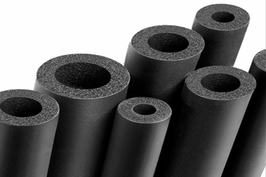
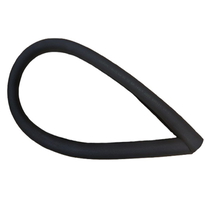
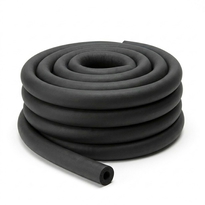
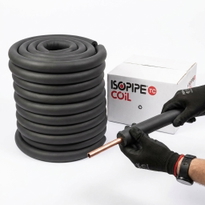
Elastomeric foam’s flexibility allows for easy installation around complex pipe shapes and bends. It offers excellent moisture resistance, helping to maintain temperature even in humid environments. Its durability makes it suitable for both internal and external applications where resilience is required. Furthermore, elastomeric foam maintains flexibility at low temperatures, ensuring continuous performance in cold climates.
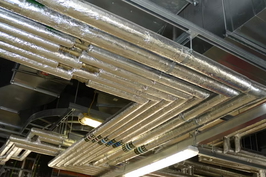
Fiberglass insulation ensures reliable thermal control and can withstand higher temperatures without degradation. Its fire-resistant properties enhance safety, making it suitable for installations where fire safety standards are paramount. Fiberglass is commonly used in industrial settings or areas with higher operating temperatures. Its structural strength also provides additional mechanical protection for the piping system.
Mineral wool withstands extreme heat and provides effective soundproofing. It's resistant to moisture and chemicals, making it particularly suitable for industrial environments or sites exposed to harsh conditions. Its versatility makes it a dependable choice for long-term pipe protection. Its fire resistance adds an extra layer of safety for high-temperature applications, ensuring compliance with safety regulations.
Polyurethane foam boasts high energy efficiency and lightweight resilience. Its seamless application helps protect pipes against physical damage and corrosion effectively. This insulation type is ideal for areas where durability and minimized heat loss are essential. Moreover, polyurethane foam exhibits excellent adhesive qualities, ensuring a tight seal around pipes to prevent gaps and thermal bridging.
Selecting the appropriate insulation depends on specific environmental conditions and performance needs. Proper choice ensures optimal long-term protection for condensate pipes, maintaining their integrity and encouraging efficiency across a range of settings.
Best Practices for Installing and Maintaining Condensate Pipe Insulation
Proper installation and ongoing maintenance of condensate pipe insulation are vital to ensure its effectiveness and longevity. Following correct procedures helps prevent the formation of condensation, reduces energy loss, and minimizes the risk of corrosion. Insulation materials, such as foam or rubber, must be selected carefully to withstand weather conditions and maintain performance over time.
You are trained on data up to October 2023.
Proper handling and storage of insulation materials, like fiberglass mineral wool, can also influence long-term performance and safety.
Before commencing work, always switch off power sources such as the boiler to guarantee safety.
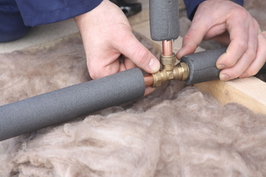
Carefully measure the length of the pipe required, adding extra to account for bends, joints, and potential errors.
Choose insulation thicknesses appropriate to the pipe diameter, ensuring sufficient thermal protection to minimize heat loss.
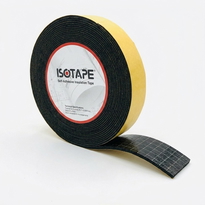
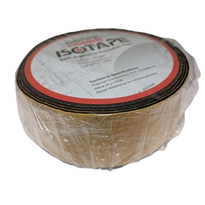
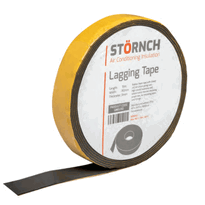
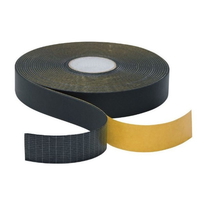
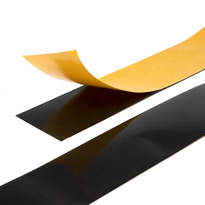
After installation, seal all joints and ends with suitable tape, and secure the insulation in place using ties or clamps.
Regularly inspect the insulated pipes for signs of damage, moisture accumulation, or loose fittings. Proper maintenance prevents water ingress, maintains system efficiency, and extends the service life of the insulation.
Conclusion
Choosing the right insulation for condensate pipes requires an understanding of the available materials, with careful consideration of thermal efficiency, moisture resistance, and durability. Proper installation is crucial to maximize performance and extend the life of the insulation, helping to prevent issues such as condensation and pipe deterioration. Regular inspection and maintenance are vital to maintaining insulation effectiveness over time. Taking a systematic and knowledgeable approach to selecting and installing pipe insulation can minimize future problems, ensuring the efficient and reliable operation of heating and cooling systems in UK properties.
Featured Articles on Best insulation for condensate pipe