Boiler Condensate Pipe Insulation
Insulating boiler condensate pipes is essential for energy efficiency, reducing noise, and safeguarding against moisture damage. Common materials used for insulation include foam glass, polyurethane, and mineral wool, each providing distinct advantages such as thermal insulation and moisture resistance.
Effective installation is crucial and involves sealing joints and ensuring complete coverage to minimise heat loss and noise. Additionally, applying external weatherproofing and conducting regular inspections can significantly enhance durability.
For further insights into best practices and material options, continue exploring comprehensive guidelines and expert advice tailored for your needs in the UK.
Types of Materials Used for Boiler Condensate Pipe Insulation
There are various materials utilised for boiler condensate pipe insulation, each providing distinct advantages depending on the specific application.
Foam glass insulation, composed of crushed glass that expands into a lightweight, closed-cell structure, offers exceptional moisture resistance, effectively preventing issues such as mould and corrosion. It maintains its durability even in extremely cold environments, making it particularly suitable for industries like liquefied natural gas (LNG) plants. It also has excellent fire-resistant properties, adding safety in areas prone to high temperatures. Polyurethane and polyisocyanurate foams are also closed-cell options, renowned for their high thermal resistance. Polyisocyanurate, in particular, provides enhanced heat protection, making it ideal for situations involving extreme temperatures.
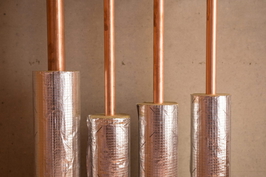
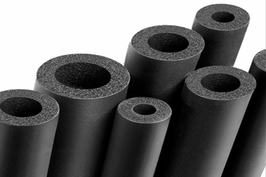
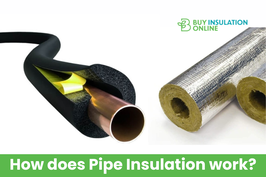
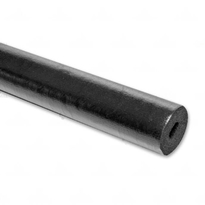
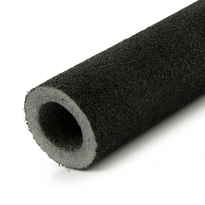
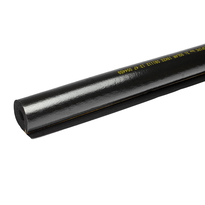
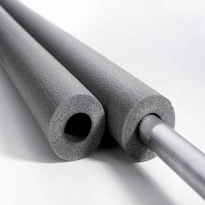
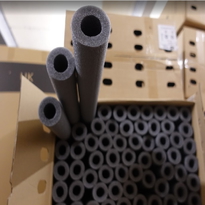
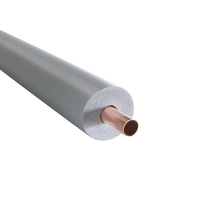
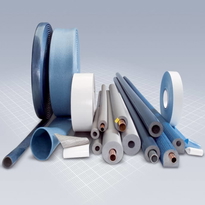
Lightweight polyethylene foam, such as Armacell Tubolit, is excellent for indoor piping as it manages heat retention and moisture effectively.
Calcium silicate insulation stands out for its durability and resistance to high temperatures, making it a preferred choice for hot steam pipes.
Each of these materials plays a crucial role in ensuring efficient and safe operation of boiler condensate systems across various applications.
How Insulation Enhances Energy Efficiency in Boiler Systems
Insulation plays a crucial role in enhancing the energy efficiency of boiler systems by minimising heat loss from condensate pipes. When these pipes are properly insulated, a thermal barrier is created that limits the escape of heat into the surrounding environment. Insulation is necessary to maintain hot water temperature and prevent heat loss. This reduction in heat loss can significantly help the system maintain the desired temperature. Consequently, less energy is required to reheat the water, which leads to lower fuel consumption. Proper insulation not only decreases operational costs but also improves the overall stability of the heating system. When boilers are well insulated, they operate more efficiently, reducing waste and supporting enhanced system performance. This effective use of insulation ultimately contributes to a more sustainable and economical heating solution for users across the UK.
Controlling Moisture and Preventing Condensation on Condensate Pipes
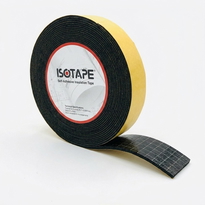
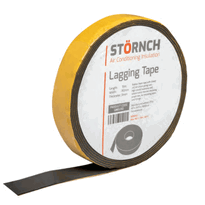
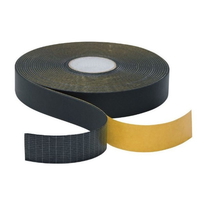
Moisture on condensate pipes can present significant challenges for boiler systems, particularly when temperature variances lead to water vapour condensing on the pipe surfaces. To effectively control moisture and prevent condensation, proper insulation is essential. Utilising high-quality materials such as closed-cell foam or elastomeric insulation creates a robust vapour barrier, significantly reducing moisture accumulation. It is crucial to ensure that insulation fully envelops the pipes without any gaps, as these can result in cold spots that contribute to sweating. Sealing joints and pipe ends with vapour-proof tape provides an additional layer of protection. Additionally, external pipes should be insulated adequately to maintain temperatures above the dew point, thereby preventing condensation. Proper insulation methods can greatly diminish the risk of sweating and subsequent issues. Regular inspections are vital to identify any damage early on. By combining insulation with strategies such as heat tracing and ensuring proper pipe sloping, the system can remain dry. This approach not only extends the lifespan of the boiler system but also maintains its efficiency, contributing to overall performance and reliability.
Installation Considerations for Different Insulation Types
Choosing the right type of insulation for boiler condensate pipes is crucial and depends on various factors such as the shape of the pipes, the surrounding environment, and the specific performance requirements.
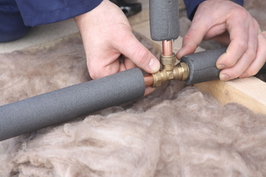
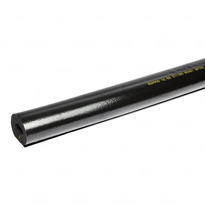
Foam insulation is lightweight, flexible, and straightforward to install, making it an ideal choice for pipes of varying sizes. Elastomeric foam excels in accommodating complex shapes and provides excellent durability along with moisture resistance. For high-temperature applications, fiberglass insulation is effective but requires protective barriers to guard against moisture damage. Mineral wool is robust and well-suited for exposed pipes, although it demands a bit more effort during installation. Polyurethane insulation offers superior thermal resistance; however, it’s essential to ensure a careful installation to prevent any gaps.
| Insulation Type | Best For | Installation Tip |
|-----------------|---------------------------------------|------------------------------------------------|
| Foam | Quick and easy installations | Ensure a tight fit around the pipes |
| Elastomeric | Complex shapes and damp environments | Use self-sealing seams to maintain continuity |
| Fiberglass | Areas with high temperatures | Employ protective jacketing |
| Mineral Wool | Impact-prone and exposed pipes | Wrap securely in weatherproof covers |
| Polyurethane | Exceptional thermal performance | Pay attention to avoid gaps for optimal insulation |
Selecting the appropriate insulation type can significantly enhance the efficiency and longevity of your boiler system, ensuring it operates effectively in the UK climate.
The Role of Insulation in Reducing Noise From Boiler Condensate Pipes
Insulation plays a crucial role in minimising noise from boiler condensate pipes by absorbing vibrations and dampening sound waves. The selection of materials, such as foam or fibreglass, significantly influences the effectiveness of noise reduction, with some options providing both thermal and acoustic advantages. Proper installation techniques are vital for optimising sound dampening. Ensuring full coverage and sealing joints effectively are essential steps to create a quieter and more comfortable environment. By addressing these aspects, homeowners can benefit from a significant reduction in unwanted noise, enhancing their overall living experience. Uninsulated pipes can produce loud clanking, banging, or hissing sounds. Incorporating the right insulation can lead to a more peaceful atmosphere, making it an important consideration for anyone looking to improve their home's acoustic comfort.
Sound Dampening Properties
Since water flowing through boiler condensate pipes generates noise, reducing this sound is essential for maintaining a tranquil home environment.
Insulation can greatly enhance sound dampening by serving as a buffer around the pipe and absorbing vibrations. Materials such as foam or fiberglass effectively diminish the noise produced by water movement and impacts within the pipes. Properly installed insulation envelops the entire pipe, preventing sound leakage. Effective insulation can also prevent heat loss, which further improves energy efficiency. Furthermore, the thickness and density of the insulation are crucial to its effectiveness.
Absorbs internal pipe vibrations to minimise trickling sounds
Muffles noises like clanks, bangs, and gurgles
Reduces noise that travels through walls and into living spaces
Creates a more serene environment for residents and enhances overall comfort
Insulation Material Choices
Different materials used for insulation play a vital role in reducing noise from boiler condensate pipes. Foam pipe insulation, such as polyethylene foam, offers low thermal conductivity and excellent acoustic insulation, helping to maintain quieter environments while preventing moisture buildup. Fibreglass and mineral wool are also popular choices, as their dense, fibrous structures effectively dampen sound vibrations and resist wear, making them suitable for a range of situations. Calcium silicate provides durability and high-temperature resistance, actively reducing vibrations and noise whilst ensuring safety. Polyurethane foam adds both thermal and sound insulation, featuring a rigid structure that limits noise transmission. Cellular glass and perlite are non-combustible options, providing strong, moisture-resistant insulation that minimises noise and enhances the longevity of the piping system. Selecting the appropriate material can also improve the overall energy efficiency and reduce maintenance costs of the heating system. Choosing the right insulation material is essential for creating a quieter and more efficient heating system.
Installation Techniques
Proper installation of pipe insulation significantly enhances its ability to reduce noise from boiler condensate pipes. To achieve optimal soundproofing, it's essential to ensure comprehensive coverage of the pipes, which aids in dampening vibrations and sound waves. The Basics Of Condensate Pipes mention that un-insulated pipes can transmit noise, making insulation vital for quieter operation. Securing insulation firmly around bends and joints is crucial, as loose fittings can exacerbate noise transmission. Employing seamless joints and overlaps is important to prevent sound leaks where noise could escape. Additionally, utilising multiple layers or combining insulation materials with varying densities can further enhance noise absorption capabilities. Regular inspections and maintenance are vital to identify any damage or wear that could undermine noise reduction effectiveness. - Fully wrap pipes to avoid gaps - Secure insulation tightly around curves - Use overlaps and seamless joints - Schedule routine inspections to maintain effectiveness
Environmental Benefits and Safety Aspects of Insulation Options
Insulating boiler condensate pipes presents significant environmental advantages and safety benefits. By substantially reducing heat loss, insulation aids in conserving energy and minimising the reliance on fossil fuels, which in turn lowers greenhouse gas emissions such as carbon dioxide and sulphur dioxide. This contributes to cleaner air and aligns with global initiatives aimed at combating climate change. Proper insulation also helps maintain the system's efficiency, preventing unnecessary wear and tear on components. From a safety perspective, insulation prevents direct contact with hot pipes, thereby reducing the risk of burns and injuries. It also helps to minimise condensation, which can lead to moisture damage, the growth of mould, and slippery surfaces. Ensuring proper insulation promotes the reliable operation of the system, decreasing the likelihood of leaks and pipe failures.
Comparing Flexibility and Durability of Common Insulation Materials
Selecting the appropriate insulation material requires careful consideration of both flexibility and durability, as these characteristics significantly affect their suitability for various pipe applications.
Foam pipe insulation is renowned for its remarkable flexibility, allowing it to easily conform to irregular shapes and fit into tight spaces. However, it can be susceptible to physical damage and degradation from UV exposure over time. Additionally, foam insulation often has a lower fire resistance compared to other materials, which could impact safety in certain installations.
Fibreglass insulation excels in heat resistance and retains its shape effectively. Nevertheless, it's less flexible and necessitates careful handling to avoid breakage. Furthermore, fibreglass may contain loose fibers that pose health risks if not installed with proper protective equipment.
Rubber pipe insulation is distinguished by its elasticity and impact resistance, making it particularly well-suited for applications that involve movement or vibration. Its inherent flexibility and resilience also mean it can withstand physical stresses better than some other options, extending its lifespan.
Calcium silicate insulation is known for its exceptional durability and fire resistance. However, it's rigid and can be challenging to shape for specific applications. Its heaviness and rigidity may make installation more difficult in confined or complex piping systems.
In summary:
Foam insulation offers flexibility but lacks durability.
Fibreglass insulation provides high-temperature resistance but is inflexible.
Rubber insulation effectively combines flexibility with impact resistance.
Calcium silicate insulation is robust yet rigid.
Choosing the Right Insulation Thickness for Optimal Performance
Selecting the appropriate thickness of insulation for pipes is crucial for ensuring system efficiency, safety, and energy savings. Thicker insulation effectively reduces heat loss, thereby enhancing the overall performance of boiler condensate pipes.
For smaller pipes, it's advisable to use between one and two and a half inches of insulation, particularly as system temperatures rise. Medium-sized pipes generally require a thickness of one and a half to three inches, especially when operating within the temperature range of 50°C to 230°C.
Meanwhile, larger pipes often necessitate a thickness of one and a half to three and a half inches or more, depending on specific conditions.
Local energy regulations and standards, such as those set by ASHRAE, stipulate minimum insulation thicknesses to ensure both safety and efficiency.
In choosing the right insulation thickness, it's essential to find a balance between material costs and long-term energy savings, as well as providing adequate protection for the system. Proper insulation not only contributes to better performance but also promotes a more sustainable approach to energy use.
Managing External Factors: Weatherproofing and Protective Cladding
Proper weatherproofing materials and protective cladding are vital for safeguarding external condensate pipes from harsh weather conditions.
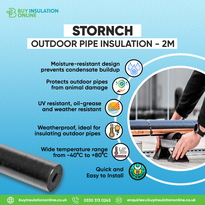
Choosing durable, UV-resistant insulation and ensuring cladding is sealed correctly helps to prevent damage, moisture ingress, and freezing. Regular maintenance and inspections are essential to ensure these protective layers continue to function effectively over time.
Investing in high-quality weatherproofing solutions not only enhances the longevity of the pipes but also contributes to the overall efficiency of the system.
It's crucial to select materials that are suitable for the UK climate, taking into account factors such as rain, wind, and temperature fluctuations.
Weatherproofing Materials Selection
When considering external condensate pipes, selecting the appropriate weatherproofing materials is crucial for ensuring both durability and functionality. These materials must protect against rain, sun, wind, and temperature fluctuations to prevent damage and maintain insulation performance.
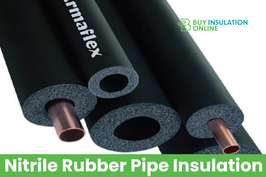
For example, nitrile rubber foam is known for its flexibility and frost protection, making it a suitable choice for colder climates. Polyethylene insulations, such as Armacell Tubolit, are valued for their weather resistance and durability, ensuring longevity in outdoor environments.
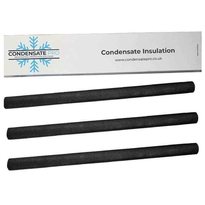
Specialised options like Condensate Pro feature UV-stable coatings designed to withstand harsh outdoor conditions, including exposure to acidic wastewater. Additionally, stainless steel piping offers excellent resistance to corrosion, especially from carbonic acid, while Schedule 80 carbon steel pipes are a more economical alternative with satisfactory corrosion resistance.
Careful material selection is essential to ensure that pipes remain protected and functional over time, even in challenging weather conditions.
Protective Cladding Benefits
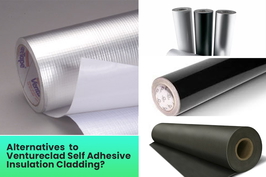
Protective cladding provides vital advantages in safeguarding condensate pipes from various external factors. It offers protection against impact, ultraviolet damage, and severe environmental conditions such as rain and pollutants. Cladding also plays a crucial role in preventing moisture ingress, which helps to mitigate the risk of insulation deterioration. Additionally, it maintains thermal stability by shielding pipes from temperature fluctuations and freezing during colder months. Furthermore, cladding enhances energy efficiency by minimising heat loss and contributes to a tidy appearance, facilitating inspections.
The following table outlines key aspects of protective cladding:
Benefit |
Explanation |
Impact |
| Weather Resistance | Protects against rain, wind, and UV damage | Prolongs the lifespan of pipes |
| Insulation Improvement | Retains heat within the pipes | Enhances boiler efficiency |
| Chemical Protection | Resists corrosive elements in condensate | Prevents damage and leaks |
| Mechanical Defence | Shields against impacts and scratches | Reduces maintenance requirements |
Maintenance and Inspection Tips
External weather conditions present considerable challenges to the durability and performance of condensate pipe insulation, making regular maintenance and inspection vital.
Cold temperatures can lead to ice build-up, which may block pipes and result in system shutdowns. UV rays and moisture gradually degrade insulation, diminishing its effectiveness. Rainwater can infiltrate poorly sealed insulation, causing corrosion and potential pipe damage. Debris driven by wind can erode protective surfaces, while seasonal temperature fluctuations can create stress cracks or gaps in the insulation.
To ensure pipes remain in optimal condition, owners should:
Examine for cracks, gaps, or displaced insulation, particularly following storms.
Inspect seals and tape joints for any signs of peeling or looseness.
Look for rust, mould, or mildew, which may indicate moisture ingress.
Reapply sealants or coatings to extend the life of the insulation.
Regular inspections and prompt repairs are essential in safeguarding pipes from external damage.
Maintenance Tips for Long-lasting Boiler Condensate Pipe Insulation
Regular maintenance of boiler condensate pipe insulation is vital for ensuring it remains effective and durable. Proper installation, which includes airtight sealing of joints and ends, helps prevent moisture ingress and heat loss.
Routine inspections are crucial; check for any tears, gaps, or displacements, particularly after severe weather or physical contact. Re-seal or replace worn insulation without delay to avoid issues such as freezing and damage.
Monitoring the routing of pipes and the thickness of insulation ensures compliance with industry standards and provides protection against cold weather. Periodic professional inspections by Gas Safe registered engineers are advisable to verify insulation integrity and safety.
Ensuring full coverage of the pipe, especially in external sections, is key to preventing freezing and extending the lifespan of the insulation. Upgrading insulation materials and securing them properly also aids in maintaining their effectiveness over time, thus supporting the reliable operation of the boiler.
Conclusion
Choosing the right insulation for boiler condensate pipes is essential for enhancing energy efficiency, controlling moisture, and minimising noise. Proper installation and ongoing maintenance significantly extend the lifespan of the insulation, ensuring reliable operation.
Various materials provide different levels of flexibility and durability, making it crucial to select the most suitable type and thickness for optimal performance. Weatherproofing and protective cladding are vital in resisting adverse weather conditions, which can affect the system's efficiency.
In summary, selecting and maintaining high-quality insulation ensures that boiler systems operate efficiently and have a prolonged lifespan, resulting in reduced hassle for homeowners and businesses alike.
Featured Articles on Boiler condensate pipe insulation