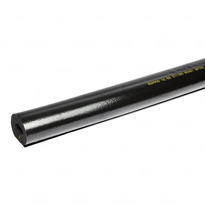
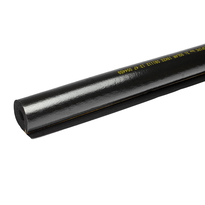
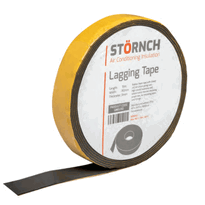
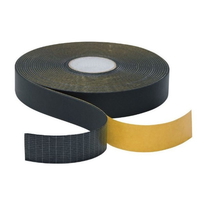
Boiler Overflow Pipe Insulation
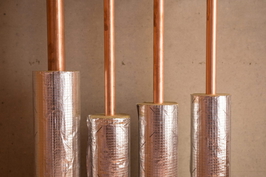
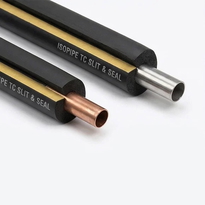
Insulating a boiler overflow pipe is an important step in maintaining efficiency and safety in your heating system. To achieve optimal performance, it is recommended to select high-temperature insulation materials such as calcium silicate, mineral wool, or polyisocyanurate (PIR). These materials are capable of withstanding operational temperatures, reducing heat loss, and resisting moisture and corrosion.
Proper insulation not only helps in safeguarding the system but also improves overall efficiency by maintaining the water temperature within the boiler and preventing freezing in colder weather conditions. When installing the insulation, ensure it completely covers the pipe with a tight, secure seal to eliminate gaps that could compromise its effectiveness.
Following these detailed steps will help you optimize the insulating process, ensuring the longevity and safety of your boiler overflow pipe:
Measure the length and diameter of the overflow pipe accurately to determine the correct size of insulation required.
Cut the insulation material to fit the measured dimensions, allowing for a snug fit around the pipe.
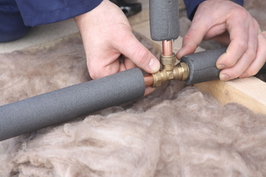
Carefully wrap the insulation around the pipe, making sure there are no gaps or overlaps that could affect insulation performance.
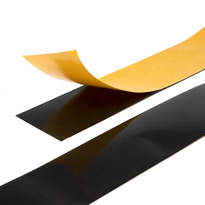
Secure the insulation in place using appropriate fasteners or adhesive suitable for high-temperature insulation materials.
Check the entire length of the insulated pipe for secure sealing, especially at joints and ends, to prevent heat loss and moisture ingress.
Regularly inspect the insulated pipe for signs of damage or wear, and replace or re-secure the insulation as necessary to maintain optimal safety and efficiency.
Following these guidelines contributes to a safer, more efficient heating system, reducing energy consumption and helping to prevent potential issues caused by temperature fluctuations or moisture ingress. Proper insulation is an essential part of routine maintenance for your boiler system, ensuring it continues to operate smoothly over its lifespan.
Types of Insulation Materials Suitable for Boiler Overflow Pipes
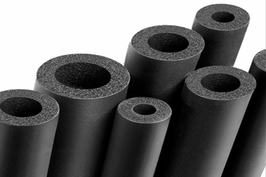
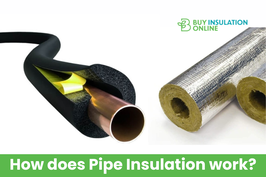
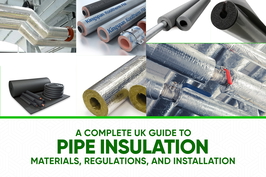
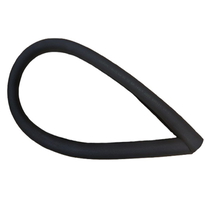
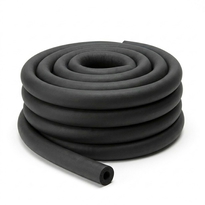
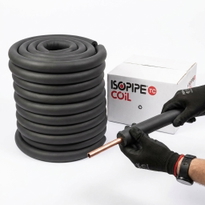
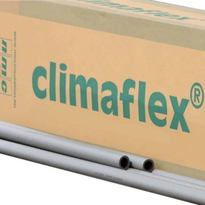
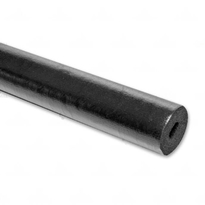
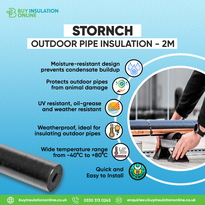
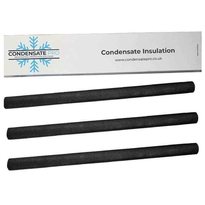
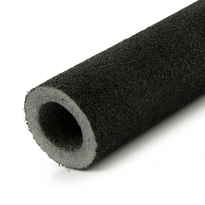
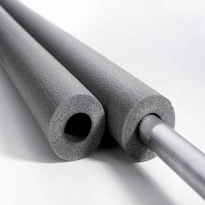
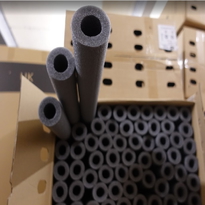
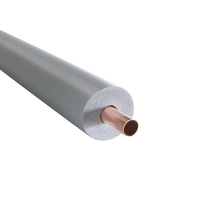
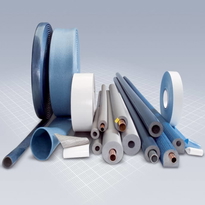
Selecting the appropriate insulation materials for boiler overflow pipes requires careful consideration of their temperature exposure, environmental conditions, and specific functional demands. Understanding the thermal properties of insulation materials is essential to ensure optimal performance and safety. Polyethylene foam insulation offers flexibility and lightweight properties, making it suitable for easier installation around accessible pipes, especially in residential or commercial settings with moderate temperature requirements; it also resists moisture, reducing condensation issues. For high-temperature applications, polyisocyanurate (PIR) provides excellent thermal resistance, tolerating continuous temperatures up to approximately 150°C, and is well-suited for industrial or commercial boiler systems that demand durability and fire resistance. Fiberglass pipe insulation, with its robust structure and high heat resistance, is ideal for both hot and cold pipes in industrial environments. Its moderate thermal conductivity makes it effective in minimizing heat loss and protecting against heat transfer. Additionally, fire safety standards for fiberglass make it appropriate for safety-critical applications where fire resistance is paramount. Finally, calcium silicate insulation offers unparalleled durability for high-temperature piping, especially in demanding or safety-critical applications, ensuring long-term performance and minimal heat loss during operation. When selecting insulation materials, always ensure compatibility with operational temperatures and environmental conditions, and consider ease of installation and maintenance to optimize performance and safety.
Key Benefits of Insulating Your Boiler Overflow Pipes
Insulating boiler overflow pipes provides several practical advantages that enhance both the efficiency and safety of heating systems. By minimizing heat loss, insulation helps to keep water temperatures consistent, which reduces the energy needed to maintain optimal operating conditions. This leads to noticeable savings on long-term utility bills.
Furthermore, insulating these pipes ensures that heat remains within the system for longer periods. This improves overall efficiency, helps to lower fuel consumption, and reduces environmental impact. Polyiso insulation is especially effective due to its high thermal resistance and durability.
In colder weather, insulation acts as a vital barrier against freezing, preventing costly pipe damage and potential system failures. Proper insulation materials can withstand extreme temperature fluctuations, ensuring reliable protection year-round.
Insulating also helps to control moisture buildup on pipe surfaces, reducing condensation and corrosion. This extends the lifespan of the pipes and maintains the integrity of the entire heating system.
Additionally, insulating reduces operational noise, creating a more comfortable environment around the heating equipment.
Safety is another key benefit. Insulating pipes provides a protective barrier that reduces the risk of burns for personnel working near hot piping.
Factors to Consider When Choosing Insulation for Boiler Pipes
When selecting insulation for boiler pipes, it's important to consider the material’s thermal resistance and temperature rating. These factors directly influence the insulation’s ability to minimize heat loss and to withstand the high temperatures typical of boiler systems. Properly chosen insulation materials can also help prevent condensation and corrosion, extending the lifespan of the pipes.
A high thermal resistance, often indicated by low thermal transfer coefficients or K-Values, ensures effective heat retention. Meanwhile, choosing a material with a suitable temperature rating helps prevent degradation over time, maintaining performance and safety.
Materials such as calcium silicate and mineral wool are designed specifically for high-temperature environments. They're capable of handling temperatures exceeding 350°C, with some suitable for thermal insulation in steam pipes reaching nearly 540°C. These materials remain stable even at extreme temperatures, making them ideal for boiler applications. Selecting materials with appropriate temperature resistance and structural stability is essential for long-lasting insulation.
These materials remain stable and effective in demanding conditions, making them ideal options for boiler applications.
In contrast, foam or polyurethane insulations are better suited for moderate temperature environments. They provide adequate insulation at lower operating temperatures but aren't recommended for the extreme heat of boiler systems.
Durability and moisture resistance are also vital considerations. Insulation must withstand mechanical stress and exposure to moisture without losing its insulating properties or integrity. Additionally, using moisture-resistant materials can contribute to improved fire safety measures and reduce maintenance costs.
Selecting materials with good moisture resistance ensures long-term performance and reduces maintenance needs.
Conclusion
Selecting appropriate insulation for boiler overflow pipes is crucial for maintaining system efficiency and preventing heat loss. Careful consideration of material properties, environmental factors, and compatibility ensures optimal performance and longevity. Properly insulated pipes reduce the risk of freezing, condensation, and exposure to external elements, thereby safeguarding the system and minimizing maintenance costs. By adhering to recognized guidelines and evaluating key factors, users can make informed decisions that enhance safety, functionality, and the long-term reliability of boiler installations.
Featured Articles on Boiler overflow pipe insulation