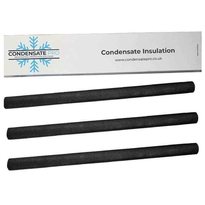
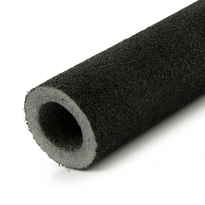
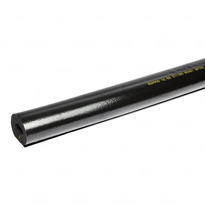
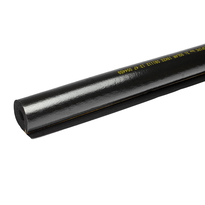
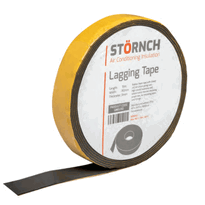
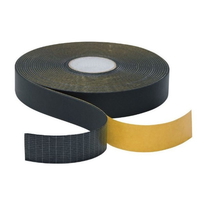
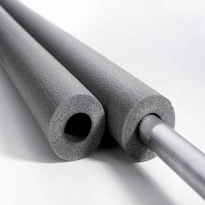
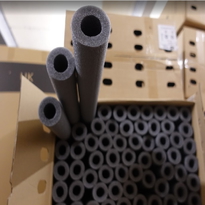
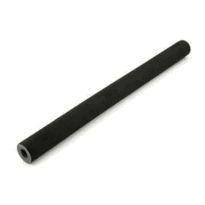
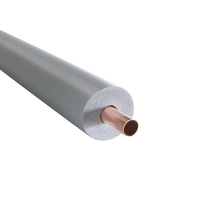
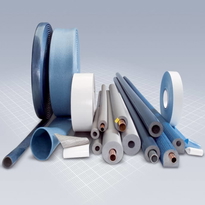
Condensate Pipe Insulation
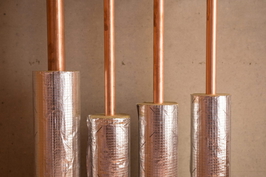
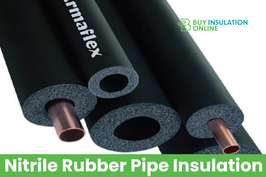
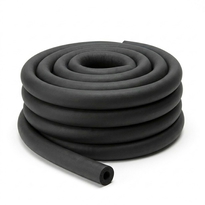
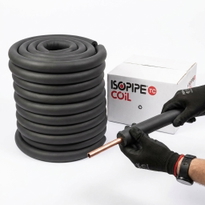
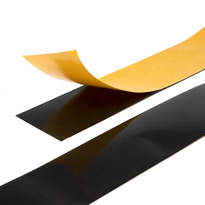
Proper insulation of condensate pipes is essential to prevent moisture buildup, reduce energy loss, and avoid issues such as freezing or corrosion. Materials such as foam or polyethylene foam are lightweight, flexible, and effective at maintaining pipe temperature while preventing vapour transmission.
Effective insulation also minimizes condensation by keeping pipe surfaces above the dew point, particularly in humid environments. Correct installation practices and the use of vapor barriers are crucial for ensuring optimal performance.
Continue to explore further for detailed guidance on selecting and installing the most suitable insulation solutions.
Types of Pipe Insulation Materials
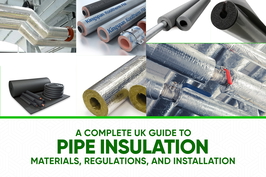
There are several common materials used for insulating condensate pipes, each with its own advantages and recommended applications.
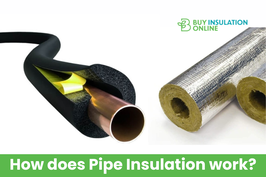
Foam-based insulations, such as polyurethane and polyisocyanurate, offer high thermal resistance and moisture resistance. These properties make them particularly suitable for refrigeration and industrial applications. Polyurethane foam is known for its excellent insulation properties and durability, making it ideal for long-term use.
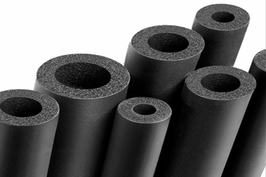
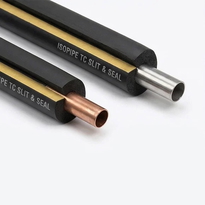
Polyethylene foam is lightweight and flexible, making it a popular choice for residential plumbing.
Fiberglass insulation is well-regarded for its excellent thermal performance and ability to withstand high temperatures, making it ideal for steam pipes.
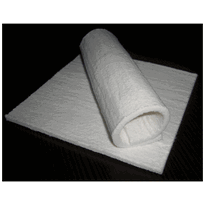
Mineral wool provides fire resistance and sound insulation, which is valuable in demanding environments.
Rigid foam glass excels in moisture resistance and performs effectively in extreme cold conditions, such as cryogenic piping.
The selection of insulation material is crucial, as it should align with the specific needs of the piping system to ensure efficiency and durability.
Enhancing Energy Efficiency and Cost Savings
Proper insulation of condensate pipes significantly enhances energy efficiency by minimizing heat loss. This helps to keep hot water warmer for extended periods, thereby reducing the energy required for heating. Insulated pipes can substantially decrease heat loss, leading to considerable savings on heating expenses. The table below illustrates the advantages:
Before Insulation |
With Insulation |
Benefits |
| Heat escapes easily | Retains heat | Less energy required for heating |
| Lengthy wait for hot water | Quick access to hot water | Reduced water and energy waste |
| Higher energy bills | Lower bills | Cost savings over time |
| Increased risk of corrosion | Protected pipes | Extended lifespan of the system |
In addition, insulating condensate pipes helps prevent condensation from forming, which can lead to water damage and mold growth in surrounding areas preventing water damage.
Managing Moisture and Preventing Condensation
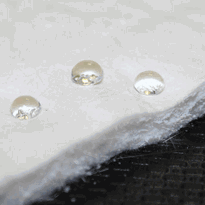
Managing moisture and preventing condensation are essential steps in safeguarding pipe systems from water damage and efficiency loss. When humid air comes into contact with cold pipes, moisture can develop, leading to issues such as mold, rust, and structural damage. Warm air meeting cooler surfaces causes condensation, which is a common cause of moisture buildup around pipes. Utilizing suitable insulation materials is key to keeping pipe surfaces above the dew point, thus minimizing the risk of condensation. Materials like foam and nitrile rubber lagging create a warm air layer around pipes, while foil-faced mineral wool or fiberglass insulations help maintain higher surface temperatures.
Implementing vapour barriers can effectively block water vapor from reaching cold surfaces, particularly in environments with high humidity. Maintaining proper humidity levels, ideally between thirty and fifty percent, also reduces the likelihood of condensation. Ensuring adequate ventilation and airflow is crucial in preventing moisture accumulation. By combining these strategies, you can ensure that pipes remain dry, which significantly reduces maintenance requirements and enhances the longevity of the system.
Benefits Beyond Insulation: Acoustic Performance
Beyond their role in controlling temperature, condensate pipe insulation also provides significant acoustic benefits. It effectively reduces noise generated by fluid movement within the pipes, resulting in a quieter environment. Maintaining proper insulation can prevent pipe vibrations that cause noise. Here are several ways insulation enhances acoustic performance:
Foam pipe insulation absorbs sound vibrations, minimizing noise from flowing fluids.
Materials such as polyethylene foam offer both thermal and sound insulation, which helps to reduce heat loss while simultaneously lowering pipe noise.
Insulation acts as a barrier, preventing noise from travelling through pipes into walls or floors, thereby minimizing disturbances in indoor spaces.
These features contribute to quieter pipes, enhancing comfort and reducing noise complaints in homes and workplaces.
Effective acoustic performance from insulation plays a vital role in creating a more pleasant atmosphere, particularly in shared environments.
Key Factors in Selecting and Installing Insulation
Selecting the appropriate insulation for condensate pipes is crucial for ensuring energy efficiency and optimal performance. Several factors must be taken into account, including pipe size, temperature, and material, all of which influence the insulation thickness required to minimize heat loss and prevent condensation.
Environmental conditions, such as colder climates or limited space, significantly affect insulation choices. The properties of the insulation material, particularly its thermal conductivity and water resistance, play a vital role in ensuring durability and effectiveness.
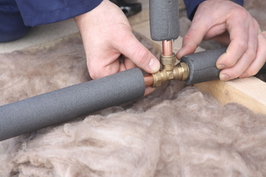
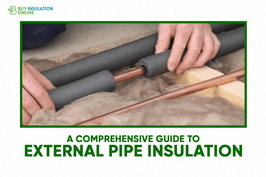
Proper installation is key to the insulation's performance, especially in external or confined areas.
Factor |
Consideration |
Impact |
| Pipe Size | Larger pipes necessitate thicker insulation | Enhances heat retention |
| Ambient Temperature | Colder environments require increased insulation | Averts condensation and freezing |
| Material Properties | Preference for low thermal conductivity | Reduces insulation requirements |
| Space Constraints | Limited areas may restrict insulation thickness | Necessitates tailored solutions |
Conclusion
Selecting the appropriate condensate pipe insulation enhances energy efficiency, curtails condensation, and provides additional advantages such as improved acoustics. Understanding the various materials available and key installation considerations is essential for ensuring effective insulation.
A thoughtful selection of insulation can lead to substantial cost savings and an extended lifespan for your piping systems. By proactively addressing moisture issues, property owners can maintain safe, efficient, and quieter piping solutions.
Investing in high-quality insulation is a sensible step towards improved building performance and long-lasting reliability.
Featured Articles on Condensate insulation pipe