


Electric Heat Trace for Piping
Electric heat tracing for piping involves the use of specialized cables designed to maintain or raise pipe temperatures, thereby preventing freezing or significant temperature drops. These systems typically include self-regulating or constant-wattage cables, along with connection kits, controllers, and insulation tailored to specific environmental conditions.
A well-designed heat tracing system takes into account heat loss, safety margins, and correct installation practices to ensure optimal efficiency and reliability. Understanding the components involved and adhering to relevant standards are essential for effective implementation and maintenance.
By focusing on these aspects, users can optimize system performance, minimize energy consumption, and safeguard infrastructure across various industry sectors in the UK.
Components and Construction of Electric Heat Trace Systems
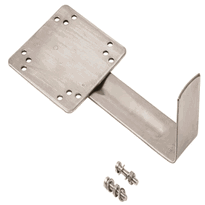
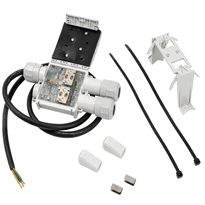
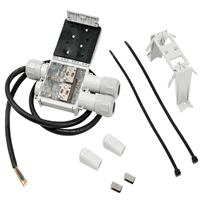
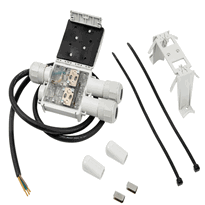
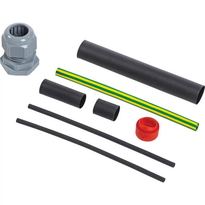
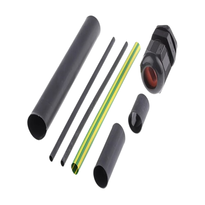
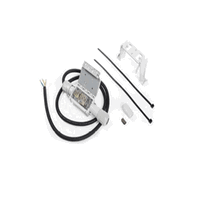
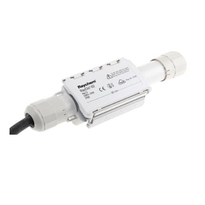
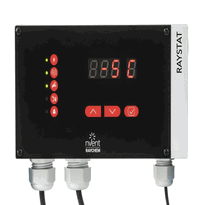
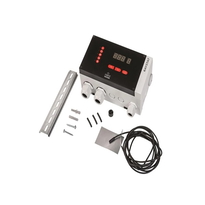
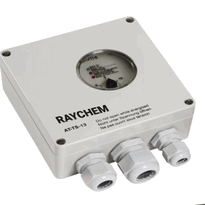
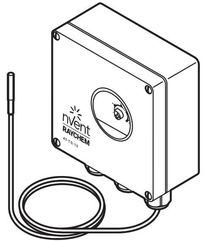
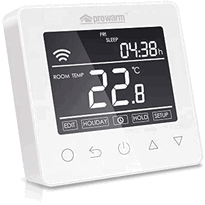
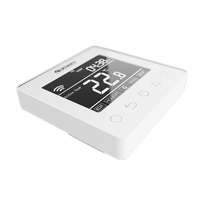
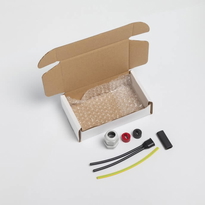
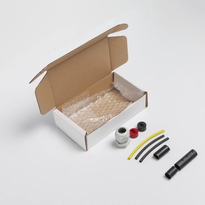
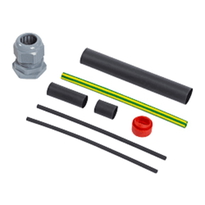
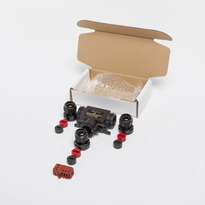
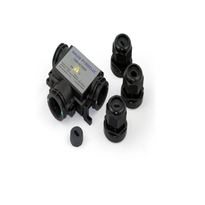
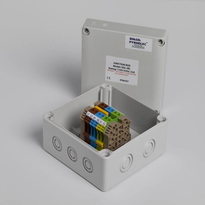
Electric heat trace systems comprise several key components designed to deliver reliable and efficient pipe heating across a range of industrial and commercial settings. At the heart of these systems are heating cables, which incorporate a central electrical element running along the pipe or equipment surface to provide consistent heat. Different types of cables are available to suit various applications, including self-regulating cables that adapt their power output according to temperature, constant wattage cables that maintain a steady level of heat, and mineral-insulated cables known for their durability in harsh environments. Heating cables are carefully selected based on the specific temperature and environmental requirements of the application. Temperature controllers and control systems are essential for managing the operation of the heating cables. These range from simple thermostats to sophisticated programmable controllers that enable precise temperature regulation and remote monitoring. Connection kits and junction components ensure secure, weather-resistant electrical connections, while insulation and protective layers reduce heat loss and shield systems against environmental damage. Proper insulation can also help to improve overall energy efficiency and system performance in electric heat trace applications. Together, these components guarantee consistent performance and efficiency in diverse operational conditions.
Applications and Benefits of Electric Heat Trace in Industry
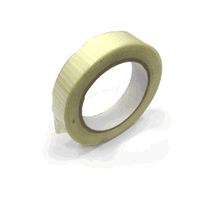
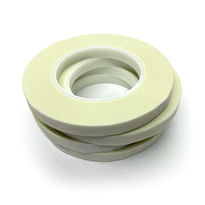
In many industrial sectors across the UK, electric heat trace systems are essential for maintaining operational reliability by providing consistent temperature control for pipes and vessels. These systems are critical for freeze protection in cold environments, ensuring temperatures stay above freezing to prevent pipe bursts and costly outages. This is particularly important in industries such as oil and gas, chemical processing, and water utilities, where uninterrupted operation is vital. Electric heat tracing also plays a major role in maintaining process temperatures, ensuring materials remain in optimal conditions. This is essential in sectors like pharmaceuticals and food production, where viscosity control and preventing solidification are necessary for product quality and safety. Moreover, electric heat trace systems enhance safety and regulatory compliance by preventing ice formation, condensation, and other hazardous conditions in dangerous environments. They help reduce the risk of accidents and ensure adherence to safety standards. Proper system design and maintenance are crucial to maximize efficiency and longevity of heat trace installations. Using protective Isogenopak Rolls can ensure insulation and wiring are securely covered, prolonging system lifespan and enhancing safety.
Design Considerations for Effective Heat Trace Installation
Effective heat trace installation begins with careful planning of the system design to ensure reliable and efficient operation. Proper design involves accurate heat loss calculations, referencing pipe size, insulation thickness, and environmental factors such as wind exposure and ambient conditions. Evaluating system requirements and selecting appropriate cable types are crucial steps to prevent system failures. Suitable insulation materials should possess low thermal conductivity to minimize heat loss, with appropriate thickness and moisture resistance to maximize performance in harsh environments. Choosing insulation with low thermal conductivity can significantly improve energy efficiency and durability. Installation should emphasize securing cables without causing damage, avoiding sharp bends, and accommodating piping expansion to prevent mechanical stress. Selecting power ratings that align with calculated heat loss is essential, taking into account voltage and circuit capacity, and including safety margins to cover unforeseen conditions. Incorporating temperature sensors, control devices, and alarms is vital to maintain desired pipe temperatures and facilitate prompt fault detection. Effective planning guarantees system longevity, safety, and minimized energy waste, ensuring the heat tracing system performs optimally throughout its lifespan.
Types of Electric Heat Trace Cables and Industry Standards
Various types of heat trace cables are designed to meet specific industrial and commercial requirements within the UK. The most common types include constant wattage, self-regulating, and power-limiting cables.
Constant wattage cables deliver a fixed amount of power per meter, regardless of temperature fluctuations along the pipe or surface. This makes them suitable for applications where uniform heat output is essential to prevent freezing or maintain process temperatures.
Self-regulating cables are capable of adjusting their heat output based on ambient temperature conditions. When exposed to higher temperatures, they reduce their energy output, thereby increasing efficiency and minimizing the risks of overheating. These cables typically operate within voltage ranges of 12 to 1000 volts and can withstand maximum exposure temperatures of up to 250°C.
Power-limiting cables are designed to maintain specific temperatures—generally between 65°C and 200°C. They're ideal for industrial processes where precise temperature control is required, ensuring safety and energy efficiency.
Additionally, the selection of appropriate insulation materials is crucial for ensuring optimal performance and safety of heat trace systems.
Industry standards govern the manufacture and use of these heat trace cables. Manufacturers must ensure compliance with recognized certification bodies such as UL, CSA, and IEC.
These standards specify rigorous design and testing protocols, including the incorporation of appropriate protection devices to guarantee safety, reliability, and durability in demanding environments.
Conclusion
Electric heat trace systems provide reliable and efficient solutions for maintaining temperature control in piping applications across the UK. Selecting the appropriate components, complying with industry standards, and designing careful installation processes are crucial for achieving optimal performance and safety.
Understanding the various types of heating cables and their specific applications ensures effective heat management. When implemented with precision, these systems minimize operational risks, enhance energy efficiency, and extend the lifespan of pipes. As a practical and durable choice for industrial temperature regulation needs, electric heat trace offers a reliable means of maintaining process integrity in diverse settings.