Exterior Pipe Lagging
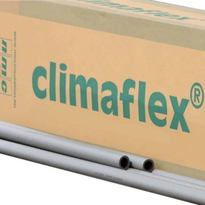
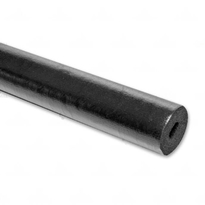
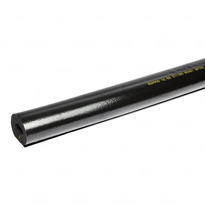
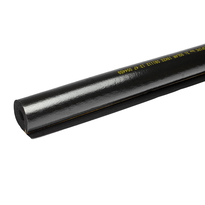
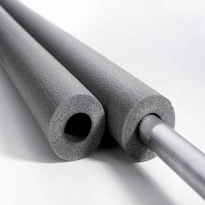
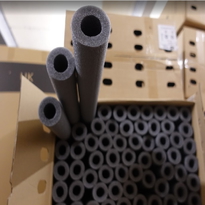
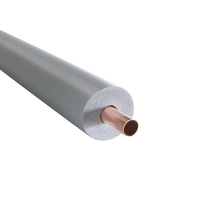
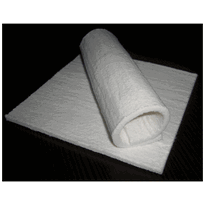
Exterior pipe lagging is the process of insulating outdoor pipes to prevent heat loss, protect against adverse weather conditions, and avoid potential damage. Common materials used for this purpose include fibreglass, foam, mineral wool, and elastomeric foam, with the choice of material often influenced by environmental factors such as moisture, cold, or heat.
Proper installation is crucial to ensure that the insulation is secure, and it is important to conduct regular inspections to check for signs of damage, including cracks or moisture accumulation. Innovations in materials and smart coatings are beginning to shape the future of pipe insulation solutions.
As we continue to explore this topic, it becomes clear that effective maintenance and ongoing advancements are essential for keeping pipes efficient and durable in the long term.
Understanding Exterior Pipe Lagging and Its Applications
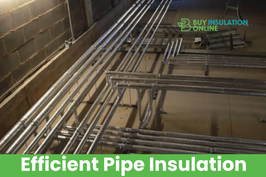
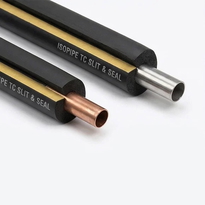
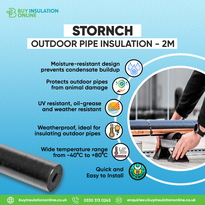
Exterior pipe lagging is a widely used method for insulating pipes located outdoors or in exposed settings. This insulation serves as a protective barrier, minimising heat loss or gain due to varying weather conditions. It shields pipes from environmental elements such as moisture, UV rays, and physical damage, which can lead to deterioration over time. Insulating pipes to reduce heat loss/gain and minimize noise transmission. Various materials are employed for lagging, including fiberglass, mineral wool, and closed-cell elastomeric rubber. Each material is selected for its waterproofing capabilities, durability, and thermal insulation properties. Proper installation is vital, with careful attention to sealing joints and ensuring that materials can withstand water and sunlight. Effective insulation not only helps to maintain stable temperatures within the pipes but also prolongs their lifespan. Therefore, exterior pipe lagging is an excellent choice for those seeking efficient and long-lasting piping systems in outdoor environments.
Core Advantages of Insulating Outdoor Pipes
Insulating outdoor pipes provides several significant advantages that enhance both their functionality and longevity.
One primary benefit is increased energy efficiency; by insulating pipes, heat loss is minimised, leading to reduced energy consumption and lower heating costs for homeowners. This is particularly advantageous for larger buildings, where the financial savings can be even more substantial.
Furthermore, proper insulation safeguards pipes against harsh weather conditions. It serves a protective barrier against cold winds, snow, and freezing temperatures, helping to prevent pipe bursts and leaks during winter months. In addition, insulation can also help to dampen noises caused by water flow or expansion.
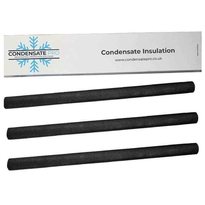
Insulation also plays a crucial role in minimising condensation, which can lead to rust and corrosion, thereby extending the lifespan of outdoor pipes. It ensures a consistent water flow, especially in colder climates, thereby reducing the risk of freezing and the need for emergency repairs.
Common Materials Employed in Exterior Pipe Insulation
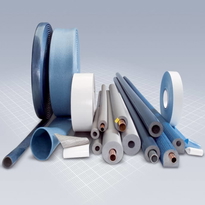
Various materials are employed to insulate outdoor pipes effectively, each offering distinct properties suited to a range of applications.
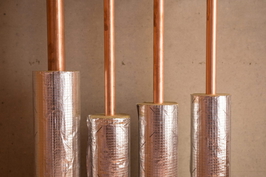
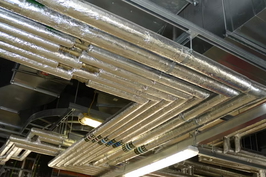
Fibreglass pipe insulation is lightweight and straightforward to install, providing excellent thermal and acoustic insulation. It's often faced with aluminium or foil to enhance fire resistance and moisture protection, containing a significant proportion of recycled glass, which makes it an eco-friendly choice. Fibreglass's non-combustible nature makes it suitable for fire safety compliance.
Foam pipe insulation, including polyurethane and polyisocyanurate, features cellular structures that trap air, delivering robust insulation and moisture resistance. Polyisocyanurate provides high fire resistance.
Mineral wool insulation is capable of withstanding extreme temperatures and enhances fire safety, making it ideal for industrial settings.
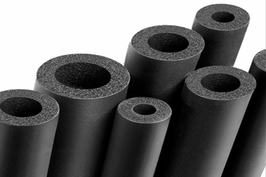
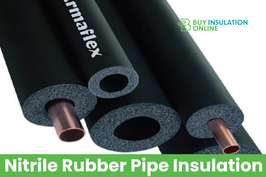
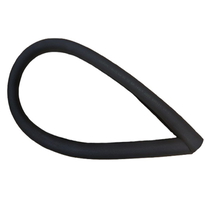
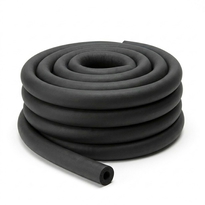
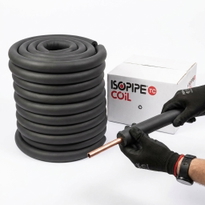
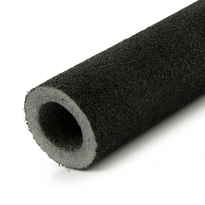
Flexible elastomeric foam, composed of rubber compounds, resists moisture and prevents condensation. Foam glass is appreciated for its moisture resistance and durability in colder environments.
These materials ensure that outdoor pipes remain protected and operate efficiently, safeguarding them against the elements.
Proper Techniques for Installing External Pipe Lagging
To ensure a successful installation of external pipe lagging, careful preparation and precise techniques are essential.
First, surface preparation plays a crucial role: clean the pipe thoroughly to remove dirt, grease, and moisture. It's vital that the pipe is completely dry before beginning insulation to prevent corrosion. Proper cleaning also improves the adhesion of the insulation material.
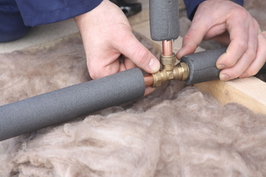
Second, accurately measure the pipe’s diameter and length to select the appropriate insulation sizes for a snug fit. For complex shapes such as elbows and T-joints, mark and cut the insulation with precision, using specialised connectors or flexible wraps to maintain integrity.
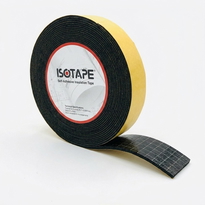
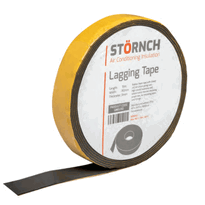
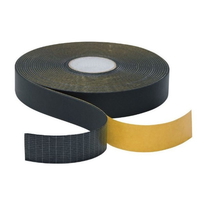
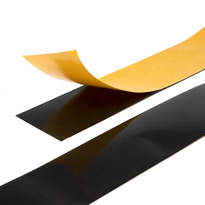
Lastly, secure everything properly by wrapping seams with weatherproof tape, sealing any penetrations, and fixing insulation every couple of feet with ties. Insulation should also be checked periodically to ensure it remains secure and effective over time.
These steps contribute to effective insulation and long-lasting protection.
Regulatory Standards and Compliance in the UK
In the UK, adhering to regulatory standards is essential for ensuring that external pipe lagging meets safety, efficiency, and quality requirements. These regulations dictate the insulation methods for pipes, particularly in unheated areas or spaces susceptible to heat loss.
Key regulations include Building Regulations Part L, BS 5422:2023, BS 5970, EN 12828, and guidance from the Health and Safety Executive (HSE). These standards address insulation performance, material specifications, and safety protocols. Builders are required to document their compliance, especially for hot water and heating pipes, with deadlines established for early 2024 in England and Wales. Effective insulation plays a crucial role in preventing corrosion, minimising heat loss, and enhancing energy efficiency.
Standard |
Purpose |
| Part L | Energy efficiency in buildings |
| BS 5422:2023 | Material properties and performance |
| BS 5970 | Installation guidelines |
| EN 12828 | Heating system insulation requirements |
| HSE guidance | Safety and corrosion prevention |
The importance of proper insulation cannot be overstated; it not only safeguards the integrity of the heating systems but also contributes to overall energy conservation efforts.
Overcoming Challenges With Exterior Pipe Insulation
What makes exterior pipe insulation challenging to maintain and protect? Exposure to weather elements such as rain, snow, and humidity often leads to insulation becoming wet. This deterioration affects thermal performance and encourages corrosion, particularly when moisture becomes trapped underneath the jacket. Wet insulation can also lead to mold growth and further deterioration if not promptly repaired, which complicates maintenance efforts. Wet insulation exacerbates heat loss and increases the risk of pipes freezing.
Here are some common challenges:
Moisture Ingress: Gaps at joints or around fittings allow water to penetrate, jeopardising corrosion resistance and diminishing insulation effectiveness.
Mechanical Damage**: Wind, foot traffic, or physical impacts can tear or dislodge insulation, leaving pipes exposed to the elements.
Durability Concerns: Continuous exposure to harsh weather conditions can result in cracking or degradation of the insulation material over time.
Addressing these issues necessitates careful installation, high-quality materials, and regular maintenance.
Selecting Suitable Materials for Various Environmental Conditions
Choosing the appropriate materials for exterior pipe lagging is crucial and largely depends on the specific environmental conditions it will encounter. Factors such as cold, heat, moisture, and chemical exposure all play a significant role in material selection. For instance, fibreglass is lightweight, non-combustible, and performs well in outdoor settings. In contrast, rockwool is renowned for its exceptional insulation properties and resistance to high temperatures. Polyethylene foam, known for its flexibility, is effective in minimising vibrations, making it suitable for a variety of climates. Rubber foam displays remarkable durability in extreme temperatures, while EPDM rubber is specifically formulated to resist UV damage. Additionally, selecting materials with appropriate thermal conductivity ensures optimal insulation performance across diverse environments. The table below provides a summary of typical environments and the most suitable materials for each:
Environment |
Suitable Material |
Key Benefit |
| Cold, winter conditions | Foam or fibreglass | Prevents freezing |
| Hot, sunny climates | EPDM rubber | UV resistance and durability |
| Moist, rainy areas | Waterproof cladding | Prevents moisture ingress |
| Industrial zones | Rockwool | High temperature and chemical resistance |
| Vibration-prone locations | Polyethylene foam | Dampens vibrations |
Maintenance and Inspection for Long-Term Performance
Regular inspections are vital to ensure the long-term effectiveness of exterior pipe lagging. Visual checks are recommended at least annually, with additional inspections advisable before and after winter.
During these assessments, it's important to look for signs of damage, such as cracks, gaps, or moisture accumulation, particularly around joints and fittings. Prompt maintenance, including repairs and replacements, helps to prevent further deterioration and ensures optimal insulation performance. Consistent monitoring of lagging during inspections also helps identify potential issues early before they escalate into more costly problems.
Visual Inspection Routines
Conducting visual inspections of exterior pipe lagging is crucial for maintaining long-term performance, as it aids in identifying early signs of damage or deterioration. To ensure inspections are effective, technicians typically adhere to the following steps: Firstly, they carefully remove sections of lagging, employing safety protocols if hazardous materials such as asbestos are involved. Subsequently, they utilise non-invasive tools like infrared thermography or radiographic techniques to detect hidden issues without the need for destructive removal. Advanced inspection methods such as neutron backscatter can identify moisture presence behind insulation, making early detection of CUI possible. Finally, technicians document all findings meticulously, noting defect sizes, locations, and conditions, which facilitates long-term monitoring. These routines ensure that problems are detected early, enabling timely repairs that save costs and prevent pipe failure. Consistent and thorough inspections foster a sense of teamwork and shared responsibility for system integrity.
Damage and Wear Signs
Physical damage and signs of wear on exterior pipe lagging are crucial indicators for inspection teams to assess during routine evaluations.
Cracks, tears, or holes in the material suggest deterioration and a reduction in protective capabilities. Loose or sagging sections of insulation frequently indicate mechanical damage or inadequate adhesion. Damaged insulation allows cold air and moisture to reach the pipes directly, increasing the risk of freezing and corrosion. Visible bulges or cracks in the pipes beneath the lagging may highlight risks of pipe bursts or freeze damage. The presence of frost, ice accumulation, or moisture on or around the lagging signifies potential insulation problems, heightening the risk of freezing or water damage.
Damage resulting from UV exposure, freeze-thaw cycles, or adverse weather conditions can lead to lagging becoming cracked, brittle, or detached. Additionally, evidence of pests or impact, such as gnaw marks or punctures, poses a further threat to insulation integrity and must be addressed swiftly to ensure long-term performance.
Maintenance Scheduling
Scheduling regular inspections of exterior pipe lagging is essential for ensuring its long-term effectiveness and safety.
To protect pipes, it's crucial to establish a maintenance schedule tailored to the specific environmental conditions.
Conduct visual inspections at least annually to identify any damage, such as tears, gaps, or compression, and document any issues found.
Increase the frequency of inspections during inclement weather seasons, particularly before winter, to mitigate risks of freezing and moisture-related problems.
Be vigilant for signs of UV damage or moisture infiltration, replacing any damaged sections promptly to uphold insulation performance.
Innovative Developments and Future Trends in Pipe Lagging
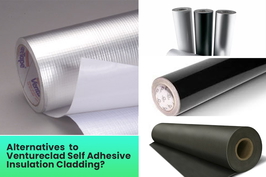
Advancements in materials and technology are shaping the future of exterior pipe lagging, enhancing its effectiveness and sustainability. Innovative insulation materials such as aerogels and multilayer mineral wool provide improved thermal resistance and extended durability. Flexible jacketing solutions, including ArmaFlex Shield, offer superior weather protection and accommodate complex pipe shapes. Furthermore, low-VOC materials align with environmental standards, reducing harmful emissions.
Emerging technologies like smart coatings and integrated sensors enable real-time monitoring of insulation performance, which supports preventative maintenance and enhances safety. These advancements are largely driven by stricter energy regulations and sustainability objectives.
Key developments in the field include:
Technology |
Benefit |
Application |
| Aerogels and mineral wool | Superior insulation | Industrial pipes |
| Flexible jacketing | Weather resistance | Complex geometries |
| Smart coatings | Real-time monitoring | Asset management |
| Recyclable materials | Eco-friendly | Long-term sustainability |
The ongoing evolution of pipe lagging technology not only addresses the challenges of energy efficiency but also contributes to a more sustainable future in the UK.
Conclusion
Exterior pipe lagging provides effective insulation, safeguarding pipes from weather-related damage and minimising energy loss. The careful selection of materials, alongside proper installation, ensures long-lasting performance, particularly in challenging environmental conditions. Regular maintenance and adherence to safety standards are essential to maximise the benefits of pipe lagging.
As advancements in technology continue, innovative materials and techniques are enhancing the effectiveness of pipe insulation. Understanding these factors is crucial in ensuring that pipes remain functional, durable, and energy-efficient. Consequently, exterior pipe lagging emerges as a practical solution for outdoor piping requirements across the UK.
Featured Articles on Exterior pipe lagging