External Waste Pipe Lagging
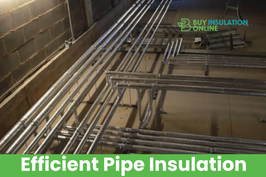
External waste pipe lagging involves insulating outdoor drainage pipes with materials such as foam, fiberglass, or mineral wool to prevent heat loss, protect against freezing, and reduce condensation. Proper installation includes wrapping pipes with overlapping insulation, which is secured using foil tape or appropriate fixings, ensuring that all vulnerable sections are thoroughly covered. It is essential to maintain a continuous moisture barrier to prevent dampness and moisture ingress.
Regular inspections are important to identify any damage or signs of moisture penetration, helping to extend the lifespan of the pipework and maintain system efficiency. Ensuring that insulation remains in good condition and properly secured will provide effective thermal protection.
Understanding these steps is vital for effective external waste pipe lagging. If you require further details or guidance, additional information can be provided to assist with your insulation project.
Understanding the Role of External Waste Pipe Insulation
External waste pipe insulation, commonly known as lagging, is an essential component in protecting plumbing systems from environmental influences that can lead to damage and inefficiency. Its primary purpose is to prevent pipes from freezing during cold weather, which is especially important in regions with variable or harsh climates. In the UK, outdoor pipes are particularly vulnerable to frost damage during winter months. By maintaining a stable internal temperature, lagging helps ensure that pipes in unheated or outdoor areas are less vulnerable to freezing and subsequent bursting. Additionally, external pipe lagging reduces the risk of condensation forming on pipe surfaces. This control of surface temperatures helps prevent rust and corrosion, thereby extending the lifespan of the pipes. Proper insulation also plays a role in conserving water temperature, which minimizes heat loss. This not only preserves the efficiency of hot water systems but also contributes to lower energy consumption and utility costs. Overall, external waste pipe insulation enhances the durability and reliability of plumbing systems. By safeguarding against environmental challenges, lagging helps ensure systems operate smoothly and efficiently, even in challenging conditions. Its use is a practical and cost-effective measure to optimize plumbing performance across the UK’s diverse climate zones.
Materials and Technologies for Optimal Lagging Performance
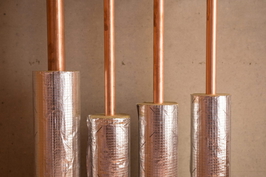
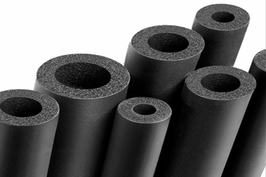
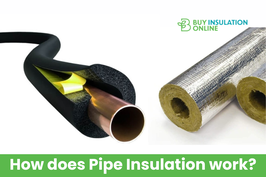
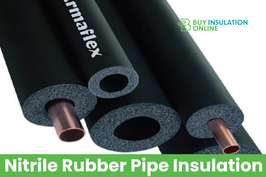
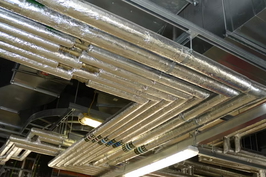
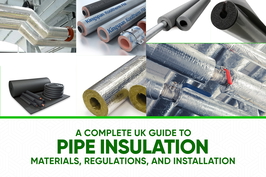
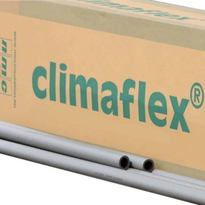
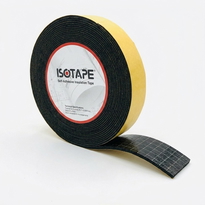
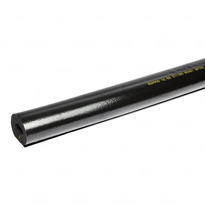
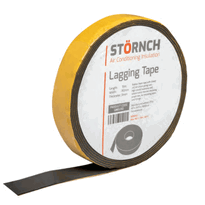
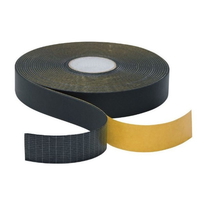
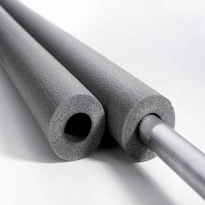
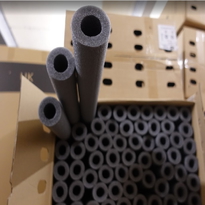
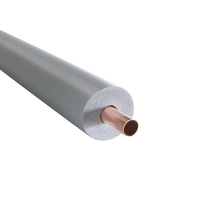
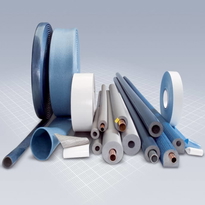
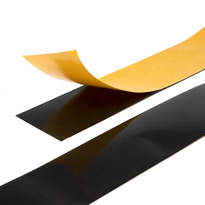
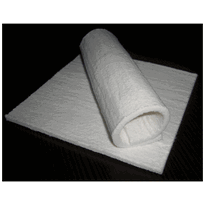
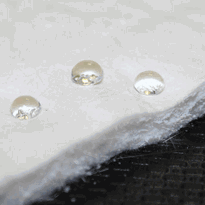
Selecting the right materials and techniques is crucial for ensuring superior lagging performance when protecting waste pipes against environmental influences and thermal loss. Mineral wool insulation, such as Knauf Thermo-Tek PS Eco Alu, features circularly wound sections that provide excellent thermal insulation, enhancing energy efficiency. The reinforced aluminium foil acts as a moisture barrier and offers mechanical protection, preventing vapour penetration and physical damage. Mineral wool insulation is also fire-resistant, which adds a safety benefit in case of fire. Fiberglass insulation, produced from spun glass fibres bonded together, is durable and offers high-quality heat retention. Its inherent moisture resistance often means it requires no additional cladding, making it a popular choice for external pipe lagging. Rubber-based solutions, utilizing natural or synthetic expanded rubber, deliver flexibility, durability, and fire resistance. These characteristics make rubber insulations especially suitable for external applications where pipes are exposed to weather, ozone, and ultraviolet (UV) radiation. Foam hygienic insulations provide a lightweight and hygienic option, suitable for applications where sanitation is a priority. They're frequently combined with vapour barriers to improve weatherproofing and prevent moisture ingress. When paired with advanced adhesives and specialized tapes, these materials form a comprehensive and efficient system for external waste pipe lagging. This integration ensures optimal thermal performance, durability, and protection against environmental factors, safeguarding the efficiency and longevity of waste pipe installations in challenging UK conditions. Proper installation of connection boxes can also enhance overall system safety and ease of maintenance.
Benefits of External Waste Pipe Lagging: Thermal and Acoustic Advantages
Thermal and acoustic benefits are key factors when installing waste pipe lagging, as they substantially enhance the efficiency and comfort of building infrastructure.
By reducing heat loss from hot water pipes, lagging helps to maintain desired temperatures during transit, thus decreasing the need for reheating and supporting overall energy efficiency.
It also serves as a thermal barrier that prevents pipes from freezing in cold outdoor conditions, helping to avoid costly pipe bursts.
Furthermore, lagging minimizes condensation on cold pipes, protecting surrounding building materials from moisture damage and mould growth.
On the acoustic front, it dampens vibrations and sound waves caused by water flow within the pipes, resulting in quieter indoor environments.
This noise reduction is particularly beneficial in multi-occupancy residences and commercial buildings, as it diminishes pipe banging and water hammer noise, creating a more comfortable and less disruptive environment for occupants.
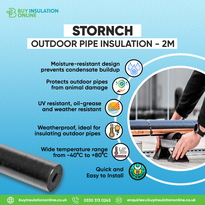
Additionally, PVC foam insulation, with its closed-cell structure, efficiently prevents water ingress and offers long-term moisture protection, further enhancing the durability and performance of the lagging.
Best Practices for Installing and Maintaining External Waste Pipe Insulation
Proper installation and ongoing maintenance of external waste pipe insulation are essential for ensuring effective long-term protection and optimal performance. To achieve this, follow these key practices:
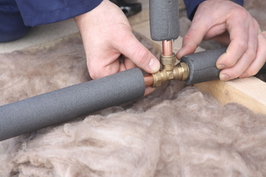
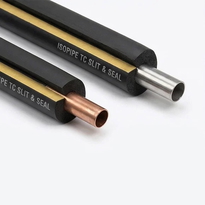
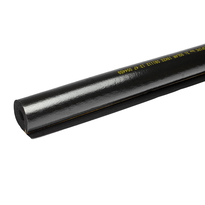
Use foam semi-split insulation with slits, allowing easy fitting over pipes while ensuring a snug and secure fit, particularly in external environments.
Wrap foil or fiberglass insulation with at least a 12.5 mm overlap, securing edges with foil or duct tape to prevent moisture ingress and maintain a continuous seal.
Regularly inspect the insulation for damage, tears, or moisture penetration; re-secure loose sections, replace deteriorated parts, and make sure moisture barriers or plastic sheathing are intact to prevent water ingress and reduce condensation risks.
Adhering to these practices maximizes the durability, effectiveness, and longevity of the insulation system.
Conclusion
Proper external waste pipe lagging enhances thermal efficiency and reduces noise transmission, contributing to energy savings and increased comfort. Selecting appropriate insulation materials, installing them accurately with secure fittings, and maintaining the lagging regularly are essential for optimal performance and durability. Following these best practices helps minimize heat loss, prevent pipe freezing, and maintain sanitary conditions by reducing condensation. Implementing effective external insulation is a practical measure that offers reliable, long-term benefits and supports the overall efficiency of plumbing systems.
Featured Articles on External waste pipe lagging