


Heat Trace Water Line
Heat trace water lines utilize specialized electrical cables, such as self-regulating or constant-wattage types, installed along pipes to prevent freezing. These cables convert electrical energy into heat, which is regulated by thermostats and protected by secure electrical connections.
Proper installation involves securing cables at regular intervals, using compatible insulation, and sealing joints to minimize heat loss. Effective system design ensures energy efficiency and longevity, especially in cold climates. Further details explain how each component works together to deliver optimal performance.
Components and Working Principles of Heat Trace Systems
Heat trace systems are essential solutions designed to prevent freezing and ensure the consistent temperature control of water lines and pipelines. These systems are built around specific components that work together to generate, regulate, and deliver heat efficiently and safely.
The primary component of a heat trace system is the heating cable. These cables serve as the main heat source by converting electrical energy into heat. They can be either self-regulating or constant wattage types, each suited to particular applications depending on the required temperature control and system design. Self-regulating cables adapt their heat output based on temperature, enhancing energy efficiency and safety, while constant wattage cables provide a steady heat output regardless of environmental conditions.
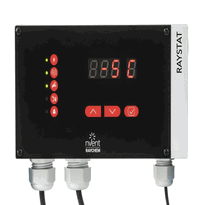
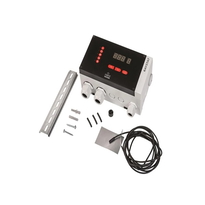
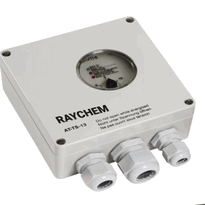
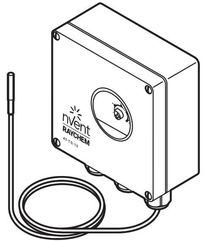
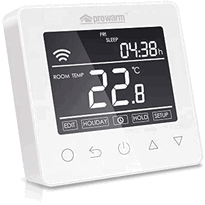
Temperature control is critical in heat trace systems. Temperature controllers, which can be mechanical thermostats or electronic devices, monitor the pipeline temperature and regulate the heat output of the cables. This ensures that the desired temperature is maintained accurately, preventing issues such as overheating or freezing. Such precise regulation also contributes to energy efficiency and prolongs the lifespan of the system. Proper regulation of temperature is vital for system safety and efficiency.
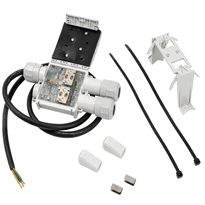
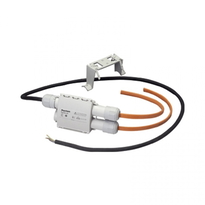
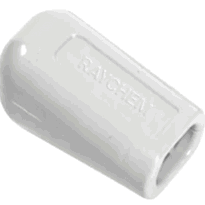
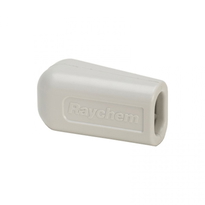
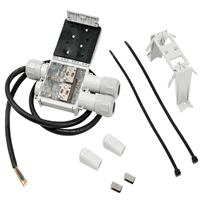
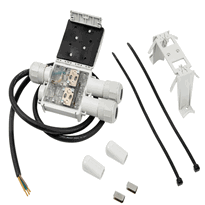
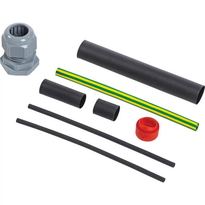
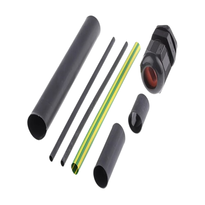
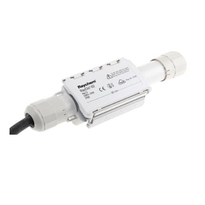
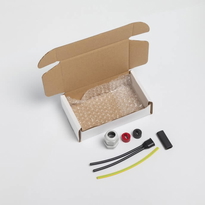
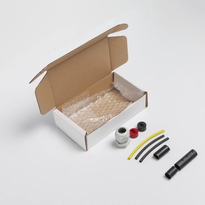
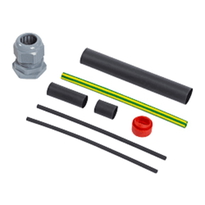
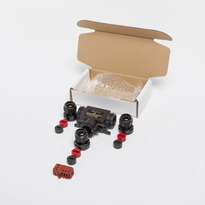
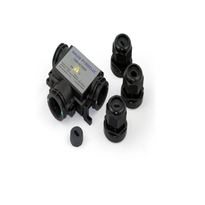
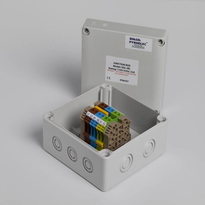
Electrical connections are secured and protected by connection kits, junction boxes, and end seals. These components guarantee safe and reliable electrical connectivity, safeguarding the system against environmental factors like moisture, dust, or mechanical damage. Proper sealing and connection management are vital for the operational safety and longevity of the system.
Power supplies, alongside circuit protection devices and other electrical components, are integral to delivering a stable and reliable energy source tailored to the specifications of the heating cables. They help maintain consistent operation and prevent electrical faults that could compromise system performance or safety.
Together, these components form a comprehensive heat trace system that's designed for efficient, safe, and durable operation. Proper installation, maintenance, and monitoring of each element are essential to ensure maximum performance and reliability in maintaining the desired pipeline temperatures across various applications within the UK.
Effective Installation and Insulation Techniques
Effective installation and insulation techniques are essential to ensuring optimal performance, safety, and energy efficiency of a heat trace system. Proper planning begins with selecting the appropriate heat trace and accessories based on detailed heat loss calculations, temperature limits, and cable length, thereby ensuring accurate sizing.
Before installation, it's vital to verify that piping has been correctly installed, pressure-tested, and is free from dirt, rust, or damage. This preparation facilitates secure attachment of the heating cable.
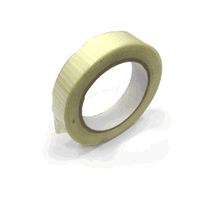
The cable should be initially secured on the lower half of the pipe at a 45° angle using heat-resistant tape every 15 to 30 centimeters, avoiding overlaps that could cause overheating. Proper securing of the cable enhances heat transfer efficiency and prevents damage.
Insulating the pipe with materials compatible with the system and sealing joints tightly helps minimize heat loss. For exterior piping, weatherproof jacketing is recommended to protect the system from environmental elements. Using high-quality gypsum insulation board products can further improve thermal efficiency when applicable.
Additionally, ensuring proper electrical connections and conducting insulation resistance tests are key steps to verify the integrity and safety of the heat trace system.
Applications and Benefits in Cold Climate Water Line Management
In regions subject to severe cold, effective water line management systems are essential to prevent pipe freezing and reduce the risk of water damage. Heat trace systems employ electric heating cables to maintain water line temperatures above freezing point, automatically adjusting their output according to external conditions to deliver reliable freeze protection. Benefits of using heat trace include decreased maintenance and repair costs over time. These systems help prevent pipe bursts, thereby significantly lowering the costs associated with repairs and water damage. They also ensure a steady and dependable water supply throughout the winter months.
By using low-power, self-regulating cables that respond dynamically to ambient temperatures, heat trace systems promote energy efficiency, reducing operational costs and limiting unnecessary energy consumption. Furthermore, heat trace solutions extend the lifespan of water pipes by avoiding the damaging effects of repeated freeze-thaw cycles. They're suitable for a variety of pipe materials and configurations, offering versatile protection options. Their application extends to outdoor, underground, and remote locations, delivering comprehensive and durable freeze protection tailored to diverse water management requirements in colder climates. Utilizing insulation materials with heat trace further enhances system effectiveness by reducing heat loss and improving energy efficiency.
Conclusion
Heat trace water line systems provide reliable temperature management in cold climates through specialized components and effective installation techniques. Proper insulation and precise setup ensure energy efficiency, prevent freezing, and maintain water flow. Understanding the working principles allows for ideal application in various environments, reducing risks associated with frozen pipes and costly repairs. Implementing these systems with careful consideration of design and installation practices delivers a durable, efficient solution for water line management in harsh weather conditions.