Insulating Outside Pipes From Freezing
To prevent outdoor pipes from freezing, it is crucial to prepare properly. Begin by shutting off the water supply to external taps, and ensure that hoses, sprinkler systems, and other outdoor water appliances are drained completely. This helps to eliminate any remaining water that could freeze and cause pipes to burst.
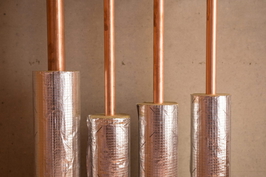
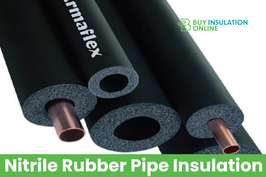
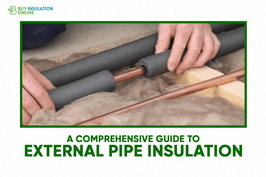
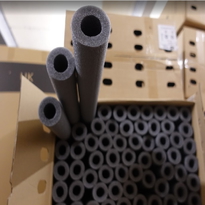
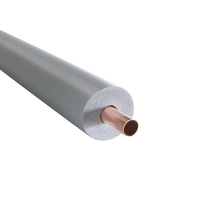
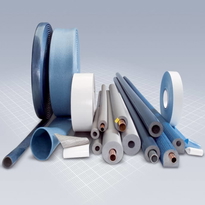
Use suitable insulation materials such as foam pipe sleeves, rubber pipe insulation, or aerosol foam that can expand to cover exposed pipes thoroughly. These materials create a protective barrier against the cold. Additionally, sealing any gaps, cracks, or openings around pipes with weatherproof caulk or adhesive tape can prevent cold air from entering and reduce heat loss.
Applying supplementary heat sources can offer extra protection. Heat tapes or cable heating systems are effective in maintaining pipe temperatures, especially in areas prone to severe cold. Small space heaters, placed safely and with proper precautions, can also help keep vulnerable sections of plumbing above freezing point.
Continuing research and advice provide detailed step-by-step techniques for effective insulation and frost protection. Proper preparation not only safeguards plumbing but also helps to avoid costly repairs caused by frozen and burst pipes during colder months.
Preparing External Pipes Before Cold Weather
Preparing external pipes before cold weather involves a systematic approach that begins with identifying and shutting off outdoor water sources to prevent damage caused by freezing. Homeowners should locate and mark the main water shutoff valve controlling outdoor taps to enable quick action if needed. Turning off the water supply to all external faucets is essential, as it stops water from entering pipes and reduces the risk of freezing. Properly shutting off the water flow ensures that water cannot continue to push into the pipes once temperatures drop below freezing. Draining water from outdoor taps, garden hoses, and irrigation systems is vital; this prevents trapped water from expanding during frosts. Hoses should be removed, dried thoroughly, and stored indoors to avoid damage. After shutting off the water, opening outdoor spigots ensures any residual water in the pipes drains completely, minimizing the risk of freezing and subsequent pipe damage. Additionally, insulating exposed pipes with suitable pipe insulation can provide extra protection during anticipated cold snaps.
Effective Insulation Materials and Techniques for Outdoor Pipes
Selecting suitable insulation materials and applying proper techniques are essential steps in safeguarding outdoor pipes from freezing damage.
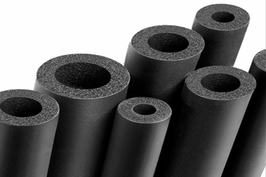
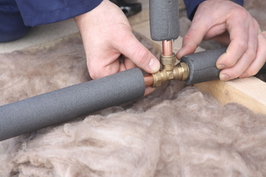
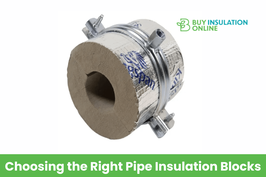
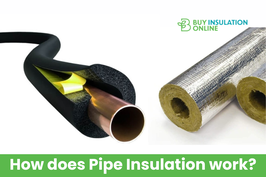
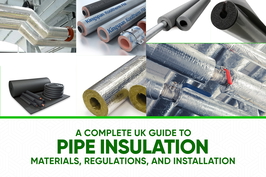
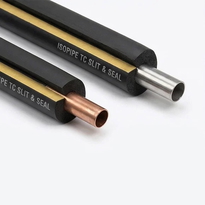
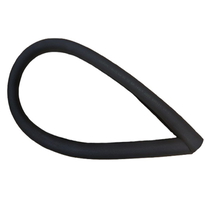
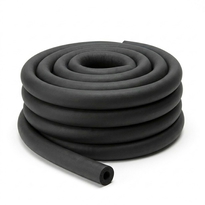
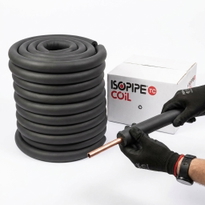
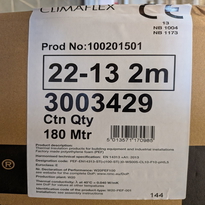
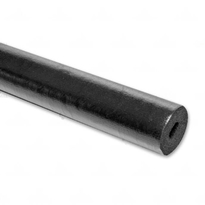
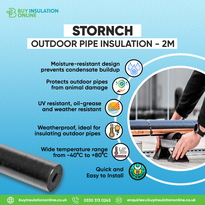
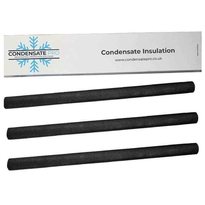
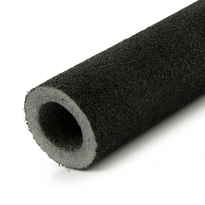
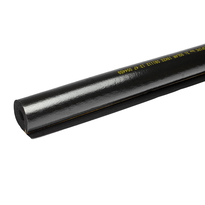
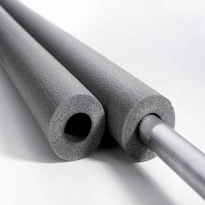
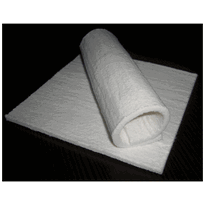
Foam pipe sleeves, crafted from flexible polyethylene or rubber foam, are highly effective because they fit snugly around pipes and help maintain water temperature. They offer a cost-efficient solution suitable for a wide range of setups. This prevents the expansion of water as it freezes, reducing the chance of pipe bursts. They are also easy to install, making them a popular choice for DIY projects. Fiberglass pipe insulation, composed of woven glass strands, provides excellent thermal resistance for both hot and cold pipes. However, it requires protective gear during installation to prevent irritation or skin contact.
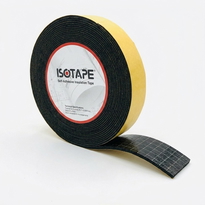
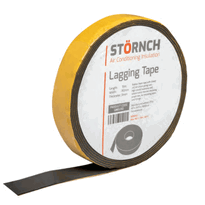
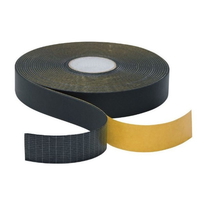
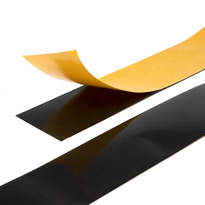
Aerosolized foam insulation, a liquid polyurethane that expands upon application, seals gaps tightly and provides comprehensive coverage for irregular or hard-to-reach pipes. This method ensures no areas are left unprotected, reducing the risk of freezing. Rubber pipe insulation, made from synthetic rubber, resists moisture and environmental damage, maintaining flexibility through fluctuations in temperature. This enhances durability and reliability in outdoor conditions. When these materials are applied with precision, they establish reliable thermal barriers that significantly reduce the risk of pipes freezing, ensuring the longevity and safety of outdoor plumbing systems. Additionally, using 3-ply class jointing tape around pipe penetrations can strengthen sealing points and prevent air leaks that contribute to heat loss.
Additional Measures for Protecting Overground and Exposed Plumbing
To effectively safeguard overground and exposed plumbing during cold weather, it's important to implement a range of practical measures. These include allowing taps to drip, sealing air leaks around pipes, and using supplementary heat sources.
Allowing taps to drip helps maintain continuous water flow, which prevents freezing and reduces the risk of pressure build-up that could cause pipes to burst. This approach is especially effective for vulnerable or exposed pipes during periods of extreme cold.
Sealing gaps around pipes where they enter walls, floors, or foundations with suitable materials such as caulk or expanding foam can prevent cold air infiltration. This helps maintain higher pipe temperatures and reduces the likelihood of freezing.
Employing supplementary heating devices such as heat tapes, space heaters, or heat lamps in unheated or exposed areas provides additional warmth, offering further protection against freezing. This additional warmth can significantly lower the chances of pipes freezing.
Maintaining consistent indoor temperatures above 13°C (55°F) is also a vital component of an effective freeze-protection strategy.
Additionally, disconnecting and draining outdoor hoses and ensuring any external plumbing is appropriately insulated can further mitigate cold-related risks.
Implementing these combined measures will help minimize the potential for damage to overground and exposed piping during cold weather spells in the UK.
Conclusion
Properly insulating exterior pipes before the onset of cold weather is essential to prevent freezing and potential burst damage. Using appropriate insulation materials, ensuring adequate coverage, and implementing additional protective measures such as heating cables or valve insulation significantly improve pipe resilience. Regular inspection and maintenance further reduce risks during the winter months. By following these detailed steps, property owners can effectively safeguard outdoor plumbing systems, minimize repair costs, and ensure continuous water flow despite freezing temperatures.
Featured Articles on Insulating outside pipes from freezing