Insulating Pipes on Exterior Walls
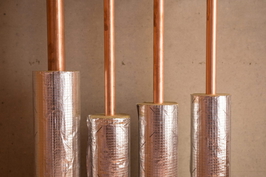
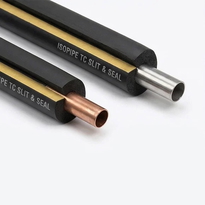
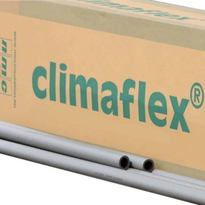
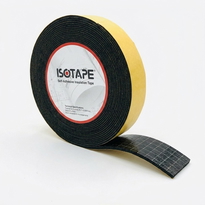
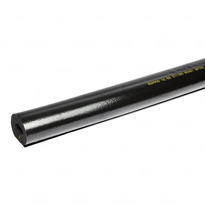
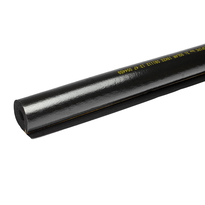
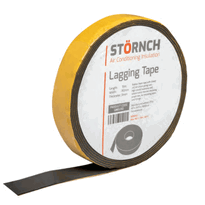
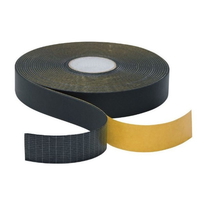
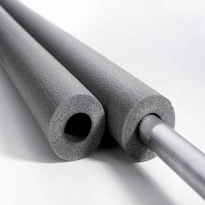
Insulating pipes on exterior walls involves selecting suitable materials such as foam, rubber sleeves, or fibreglass that match the pipe diameter and environmental conditions. The insulation should be applied using secure spiral wrapping, with overlaps sealed using tape to ensure continuous coverage. Gaps can be filled with foam or sealant for added protection.
Installing heat tapes or cables can provide active warming during colder periods, helping to prevent freezing. Protecting outdoor valves and taps is essential to avoid damage caused by freezing temperatures. Regular inspections for signs of damage, moisture, or deterioration will help maintain insulation effectiveness throughout the colder months.
Employing proper installation techniques maximizes energy efficiency and system safety. Adequate insulation not only helps prevent pipes from freezing but also improves the overall energy performance of your property. Further guidance on selecting the right materials and methods can help optimize your pipe insulation approach.
Benefits of Pipe Insulation on Exterior Walls
Insulating pipes on exterior walls provides numerous benefits related to energy efficiency, system performance, and safety. Proper insulation significantly reduces heat loss—by up to 90% in some instances—helping to prevent unnecessary energy consumption and lowering heating costs by between 10% and 20%. Energy savings contribute to environmental benefits, which is especially important as energy conservation becomes a global priority. It also decreases standby heat loss from hot water tanks, aiding in maintaining a consistent water temperature and reducing waiting times at taps and showers. Furthermore, insulated exterior pipes are protected against freezing temperatures, which can prevent pipes from bursting and avoid costly repairs—especially in colder climates. Insulation helps to minimize condensation, thereby reducing moisture-related issues that might cause structural damage over time. Additionally, insulating pipes extends the lifespan of plumbing systems by safeguarding against corrosion and damage caused by temperature fluctuations. Properly installed lagging also helps maintain building regulation compliance, ensuring safety and efficiency standards are met. As a result, insulation enhances both the efficiency and durability of outdoor plumbing, contributing to safer, more reliable building operation across the UK.
Materials and Techniques for Effective Insulation
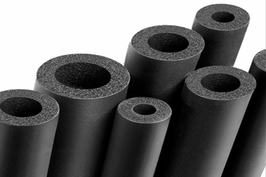
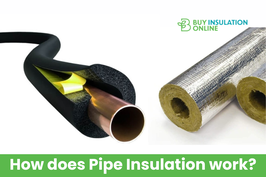
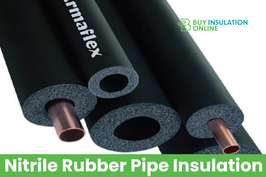
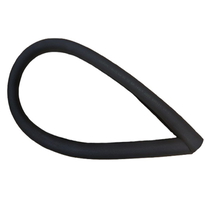
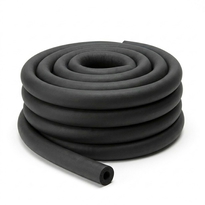
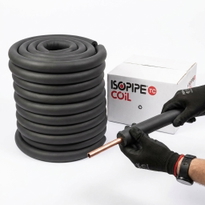
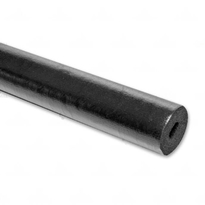
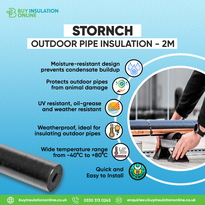
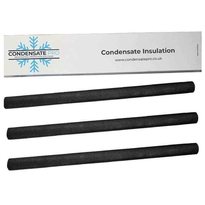
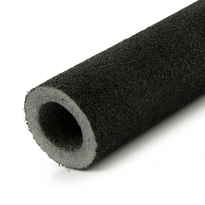
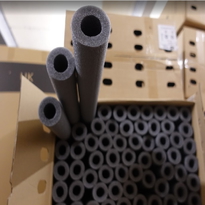
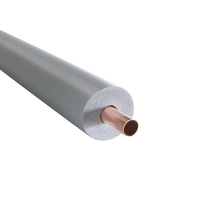
Selecting the appropriate materials and techniques is essential for ensuring effective pipe insulation on exterior walls. Tubular foam or rubber sleeves offer quick application, creating an effective barrier against heat loss. Challenges with outdoor pipe insulation include water ingress and damage from environmental factors, which can compromise insulation integrity. Fiberglass insulation, available as rigid boards, blankets, or loose fill, provides both thermal and acoustic benefits, making it a versatile choice. Extruded polystyrene (XPS) and polyisocyanurate foam sheets deliver durability and moisture resistance, ideal for external applications. Expanding spray foam can be used to adapt to irregular spaces, enhancing overall insulation and air sealing. Proper installation involves spirally wrapping the insulation material, overlapping layers where necessary, and securing them with tape, wire, or ties every one to two meters. This ensures the insulation remains in place and functions effectively. When pipes pass through wall cavities, filling the gaps with batt insulation or using foam sealants helps ensure continuous coverage and minimizes heat transfer. This process can significantly improve energy efficiency by preventing cold spots and reducing thermal bridging. Good practice in insulation involves meticulous attention to detail during installation to avoid gaps or compression, which can compromise performance. Selecting insulation with fire-resistant properties, such as mineral wool, can enhance safety and durability in external applications. Always tailor the choice of materials and techniques to the specific requirements of the property and external wall conditions, ensuring long-lasting, energy-efficient pipe insulation.
Protecting Pipes From Freezing and Condensation Risks
Pipes situated in unheated external areas are particularly susceptible to freezing, which can cause significant damage and disrupt operations. To minimize this risk, several protective measures are essential.
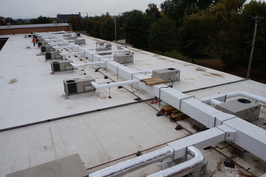
First, insulating pipes with polyethylene or fiberglass sleeves designed to fit the diameter of the pipes helps maintain consistent temperatures. Insulation acts as a barrier against cold, preventing freezing in exterior and unheated areas. Second, installing heat tape or heat cables, in accordance with manufacturer instructions, provides active warmth, especially during severe cold spells. Utilizing high-quality duct insulation options ensures optimal thermal performance and durability in harsh conditions.
Third, sealing leaks around pipes, vents, and wiring with caulk or insulation prevents cold air from infiltrating. - Keep outside valves open to allow for water expansion if freezing occurs. - Allow taps to drip slightly to keep water moving and reduce the likelihood of freezing. - Use insulated covers on outdoor taps for additional protection.
Implementing these strategies enhances pipe resilience against the effects of frost and condensation, helping to ensure the uninterrupted operation of your system.
Maintenance Tips to Maximise Insulation Performance
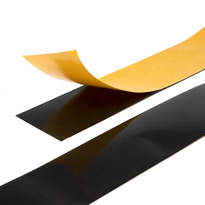
Regular inspection of external pipe insulation is essential for maintaining optimal performance, as it allows for early detection of damage or deterioration that could compromise thermal efficiency. Visual checks should be conducted at least once a year, focusing on tears, punctures, compression, and gaps between insulation segments that could reduce insulation effectiveness. Examine all joints and overlaps, sealing any gaps with appropriate vapour barrier tape to maintain airtightness and prevent moisture infiltration. Inspect for signs of moisture ingress, staining, or water damage, which may indicate condensation issues. Additionally, check for physical damage caused by rodents, weather conditions, or mechanical impacts. Document your findings carefully and address any damage promptly to prevent further deterioration. To enhance moisture control, utilize weatherproof tapes on joints, ensure a dry barrier around pipes, and repair any leaks or mould presence immediately. Proper maintenance safeguards insulation integrity, sustains thermal performance, and prolongs the lifespan of pipes.
Conclusion
Insulating pipes on exterior walls is a vital aspect of maintaining the efficiency and safety of your plumbing system. Proper insulation helps minimize heat loss, which can reduce energy bills and prevent the pipes from freezing during cold spells. Additionally, it can protect against condensation that might lead to dampness and mould growth.
Selecting the appropriate insulation materials is crucial. Use suitable products designed for outdoor use, such as closed-cell foam sleeves or mineral wool, which can withstand the external environment and provide effective thermal resistance. Ensure that the materials you choose comply with relevant UK safety and building standards.
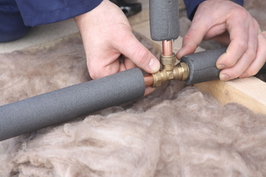
Correct installation techniques are equally important. Fit the insulation securely around the pipes, avoiding gaps, and ensure that all joints and ends are properly sealed. Insulation should extend along the entire length of exposed pipe sections and be fitted closely against the pipe surface for optimal performance. Fixings or straps can help keep the insulation in place, especially in areas susceptible to movement or vibration.
Regular maintenance is essential to sustain insulation effectiveness. Periodically inspect for damage, wear, or displacement, particularly after severe weather conditions. Promptly repair or replace any compromised sections to prevent heat loss and protect your plumbing from the risks of freezing and condensation.
Following these guidelines guarantees reliable thermal protection for your pipes, helping to maintain system efficiency and prevent costly repairs in the future. Consistent upkeep and precise installation are key to achieving long-lasting, effective insulation and safeguarding your plumbing infrastructure against the challenges of the UK's climate.
Featured Articles on Insulating pipes on exterior walls