Insulation for Boiler Condensate Pipe
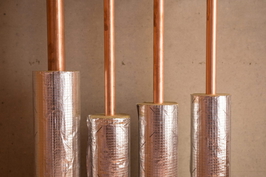
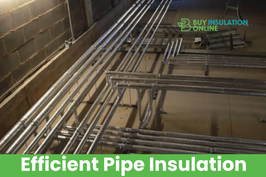
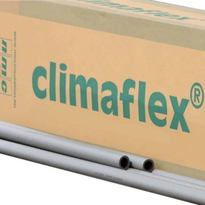
Insulation for boiler condensate pipes in the UK typically involves materials such as foam glass, polyurethane, or mineral wool. These materials are selected for their excellent thermal resistance, moisture resistance, and durability, helping to optimise system performance and longevity.
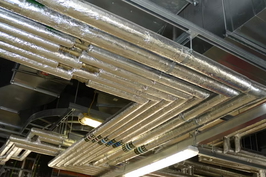
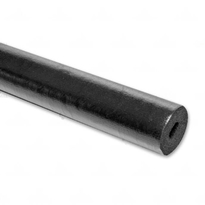
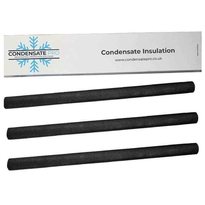
Proper insulation plays a vital role in preventing heat loss, avoiding condensation, and protecting against freezing, particularly on external or exposed pipes. To be effective, insulation should be at least 13mm thick, weatherproof, UV-resistant, and securely fitted to prevent gaps or defects.
Ensuring correct installation and selecting appropriate materials can significantly improve system efficiency and safety, reducing energy costs and preventing potential damage. For optimal performance, it is advisable to regularly inspect the insulation and replace it if it becomes damaged or deteriorates over time.
Types of Insulation Materials for Boiler Condensate Pipes
There are several types of insulation materials used for boiler condensate pipes, each chosen based on specific performance requirements, environmental conditions, and safety considerations.
Foam glass insulation is manufactured from crushed glass that's heated and expanded into a lightweight, closed-cell structure. It offers excellent moisture resistance, durability in cold temperatures, and is non-combustible, thereby enhancing safety.
Polyurethane and polyisocyanurate insulations are closed-cell rigid foams that provide high thermal resistance. Polyisocyanurate, in particular, offers superior heat resistance across a broader temperature range, making it suitable for applications in refrigeration and petrochemical facilities.
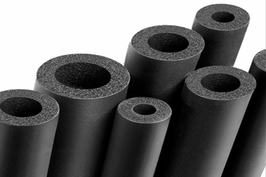
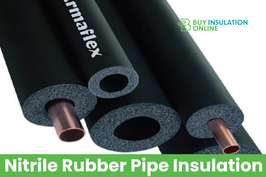
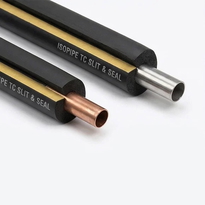
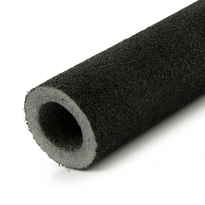
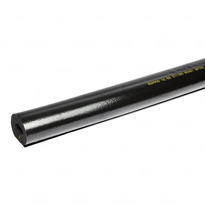
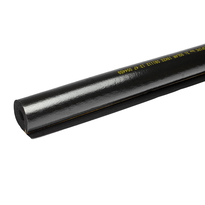
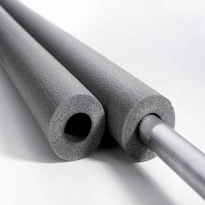
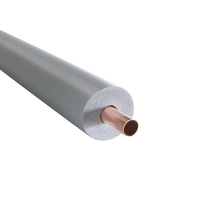
Polyethylene foam, such as Armacell Tubolit, combines low thermal conductivity with moisture resistance and noise reduction properties. It's especially ideal for indoor piping where control of sound and moisture is important.
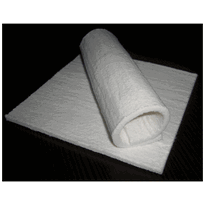
Mineral wool and calcium silicate insulations excel in fire safety and high-temperature environments, providing reliable thermal insulation combined with resistance to chemical degradation.
Fiberglass and cellular glass insulations are also common choices, delivering effective thermal insulation and resistance to moisture and chemical influences, which enhances longevity and safety for boiler condensate piping.
Choosing the appropriate insulation material depends on the specific operating conditions and safety standards desired for your installation. For optimal performance, selecting a material with suitable fire safety features and environmental resistance is essential.
Key Thermal and Moisture Control Characteristics
The ability of insulation materials to effectively control temperature and moisture on boiler condensate pipes directly impacts system performance and lifespan. Proper insulation minimizes heat loss, which can be up to 90%, ensuring efficient steam pressure and reducing energy consumption. Using suitable materials enhances the water-resistant properties, providing additional protection against external elements. It maintains surface temperatures above the dew point, thereby preventing condensation that could lead to corrosion or structural damage. Selecting insulation with an appropriate thermal conductivity (K-value) is crucial, as lower K-values indicate better thermal resistance, especially within the intermediate temperature range of approximately 16°C to 99°C. Understanding the thermal conductivity of materials helps in choosing the most effective insulation. Moisture-resistant materials and external weatherproof coatings further prevent water ingress, freeze damage, and moisture-related corrosion. Effective thermal and moisture control safeguards the pipe’s integrity, optimizes system efficiency, and extends service life by reducing maintenance requirements and operational interruptions. Proper insulation solutions not only enhance safety and reliability but also contribute to energy savings and overall operational cost reductions.
Mechanical Properties and Installation Considerations
Mechanical properties and installation considerations play a crucial role in ensuring the effectiveness and longevity of insulation applied to boiler condensate pipes.
Thermal resistance is particularly important, as it helps prevent freezing by maintaining pipe temperatures above 0°C, especially during cold weather conditions. The flexibility of the insulation material allows it to fit snugly around pipes and fittings, reducing gaps that could lead to heat loss.
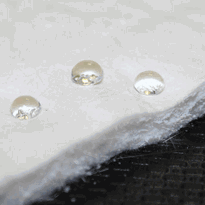
Durability against compression ensures that the insulation maintains its thickness over time, preserving consistent thermal performance throughout its lifespan. Water resistance and waterproof features are essential to prevent moisture ingress, which could weaken the insulation and promote corrosion of the pipes. Additionally, insulating materials with high moisture resistance contribute to longer-lasting insulation performance, especially in humid or wet environments.
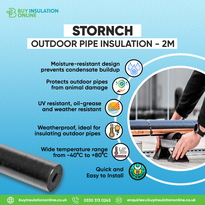
For outdoor installations, UV resistance is vital to protect materials from the degrading effects of sunlight exposure. Proper selection of insulation with appropriate mechanical strength further enhances its ability to withstand physical stresses during operation and handling.
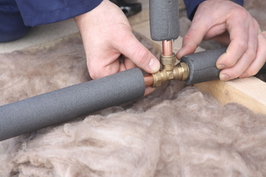
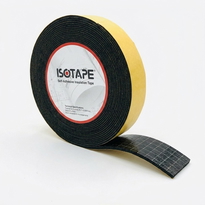
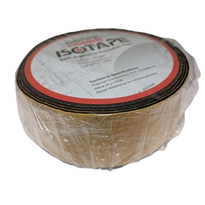
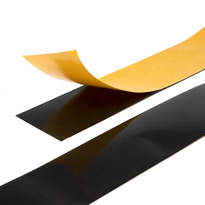
Proper installation is also key to ensuring optimal insulation performance. This involves accurate measurement, cleaning the pipe surfaces thoroughly, and applying insulation that fits tightly around the pipes. Securing the insulation with appropriate sealing tapes or straps helps prevent movement and maintains effectiveness.
Considering these factors during installation and choice of materials helps ensure that the insulation remains durable, efficient, and safe under operational conditions, ultimately contributing to the reliable performance of boiler condensate systems.
Environmental Safety and Industry Application Guidelines
Ensuring environmental safety when insulating boiler condensate pipes requires strict adherence to industry guidelines that safeguard both the environment and the integrity of the system. Pipes that carry surfaces above 50°C should be insulated to minimise heat loss and reduce surface hazards, particularly in busy or accessible areas.
Additionally, external sections of pipes must be protected against freezing during cold weather. Insulation should typically be at least 13 mm thick and made from UV-resistant materials to ensure durability against weather conditions.
External outlets should be fitted with protective drain guards to prevent debris and dirt ingress, which could obstruct flow or cause damage. Proper termination of discharge points inside the building is crucial to reduce the risk of contamination and prevent freezing incidents, thus supporting ongoing system safety and performance.
Industry standards advocate for external pipe diameters of at least 30 mm, with cuts made at a 45-degree angle. This form of termination helps minimise the potential for freezing and ensures efficient drainage.
Compliance with UK regulations, such as building regulations and environmental standards, mandates the use of insulation materials that are environmentally safe, moisture-resistant, and capable of resisting the harsh conditions encountered outdoors. These measures are vital for maintaining the long-term safety, efficiency, and environmental integrity of the boiler system and associated pipework.
Additionally, selecting appropriate insulation materials and ensuring proper installation can significantly extend the lifespan of the system while reducing energy waste and environmental impact.
Conclusion
Choosing appropriate insulation materials for boiler condensate pipes requires careful consideration of thermal performance, moisture resistance, mechanical durability, and safety standards. Proper selection ensures efficient thermal retention, prevents corrosion, and maintains compliance with environmental guidelines. Accurate installation and ongoing maintenance are vital for optimal performance and safety. By understanding these factors and following industry best practices, professionals can effectively safeguard boiler systems, improve energy efficiency, and ensure long-term operational reliability.
Featured Articles on Insulation for boiler condensate pipe