Insulation for Outside Condensate Pipe
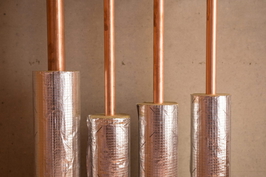
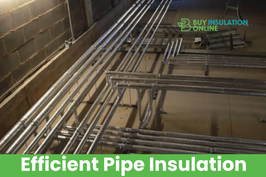
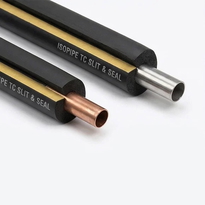
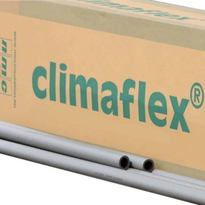
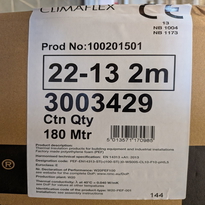
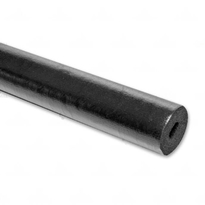
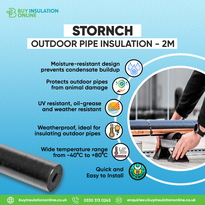
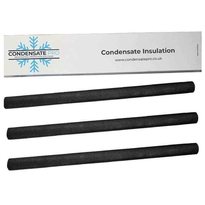
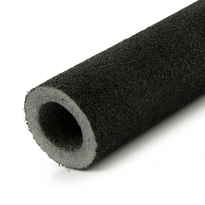
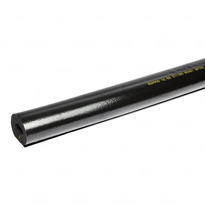
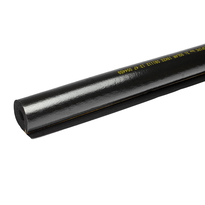
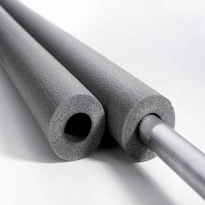
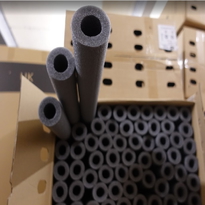
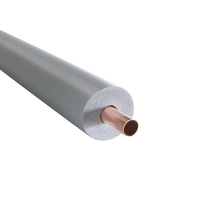
Insulating outside condensate pipes requires durable, weather-resistant materials such as polyethylene foam, rubber, or foam sleeves specifically designed for outdoor use. These materials effectively reduce heat loss and help prevent the pipes from freezing during cold weather.
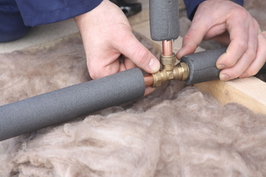
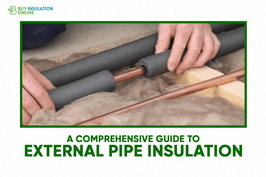
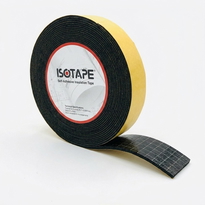
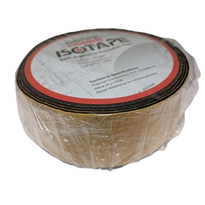
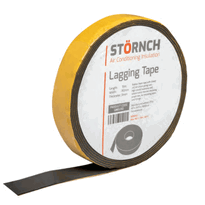
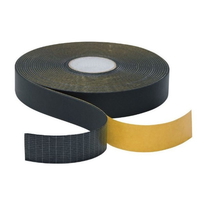
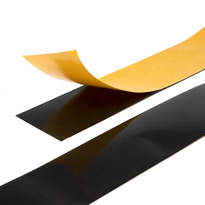
Proper installation involves carefully measuring the dimensions of the pipes to ensure a snug fit. Cuts should be made precisely to avoid gaps, and the insulation should be fitted securely without compression, which can diminish its insulating properties. To create a continuous barrier, it is important to seal joints with weatherproof tape, ensuring the insulation remains effective in varying weather conditions.
Regular inspection and maintenance are essential to address any damage or debris that may accumulate over time. Checking the insulation periodically will help maintain its integrity, extending its lifespan and ensuring maximum system efficiency.
Continuing with these best practices will help provide reliable protection for your condensate pipes, maintaining efficient drainage and preventing costly repairs caused by freezing or damage.
Types of Insulation Materials Best Suited for Outdoor Condensate Pipes
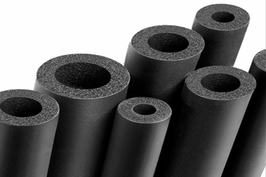
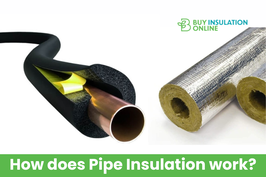
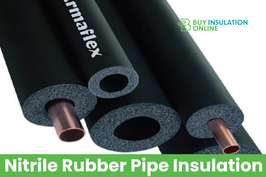
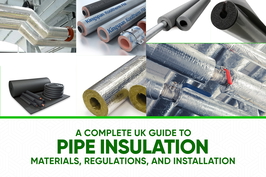
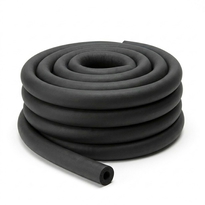
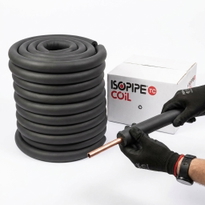
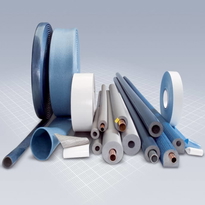
When selecting insulation materials for outdoor condensate pipes, it's important to consider properties such as thermal performance, moisture resistance, durability, and suitability for exposure to environmental elements. Fiberglass insulation is not ideal for outdoor use without proper weatherproofing because it can absorb moisture and degrade over time, which diminishes its insulation properties. Polyethylene foam insulation is highly recommended, offering low thermal conductivity to efficiently retain heat, while also resisting moisture and condensation that can lead to corrosion or freezing. Foam insulations like Armacell Tubolit are straightforward to install and available in various thicknesses, making them practical for both indoor and temporary outdoor applications, particularly in areas prone to frost. Rubber insulation, such as nitrile and EPDM, provides excellent flexibility, UV resistance, and impressive thermal and acoustic properties, making it suitable for outdoor use. For pipes subject to high temperatures, fibreglass and mineral wool insulations are effective at withstanding heat and resisting moisture but must be paired with weatherproof jacketing to ensure durability outdoors. Additionally, durability is a key factor when choosing insulation for outdoor applications, as exposure to UV rays, moisture, and temperature fluctuations can affect performance over time. Phenolic insulation offers high thermal resistance and can be beneficial; however, it requires additional protective measures against UV exposure to maintain its performance over time.
Key Benefits of Proper Pipe Insulation in External Environments
Proper pipe insulation in outdoor environments provides a range of essential benefits that enhance the efficiency, durability, and safety of condensate piping systems.
By reducing heat transfer between the pipes and the surrounding air, insulation helps minimise energy loss and maintain process temperatures, leading to improved system performance.
It also acts as an effective vapour barrier, preventing condensation formation that can cause surface damage, moisture ingress, and corrosion beneath the insulation. This significantly decreases ongoing maintenance costs and preserves the integrity of the piping system.
Furthermore, insulation offers freeze protection by keeping pipe temperatures above freezing point, thus preventing costly bursts and water damage during colder months. It shields pipes from mechanical impacts, weather-related deterioration, and environmental contaminants, thereby extending their service life.
Additionally, insulation presents the benefit of reducing noise generated by fluid flow and vibrations, contributing to safer, quieter outdoor environments.
Insulation also helps limit surface temperatures, reducing the risk of burns or injuries to personnel and passers-by.
Furthermore, using weather-resistant insulation ensures long-term protection against weather exposure, which is vital for maintaining the integrity of external condensate pipes.
Installation Tips and Maintenance to Maximize Durability
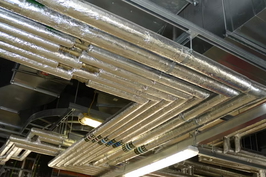
Effective installation and maintenance of outdoor condensate pipe insulation are essential to maximise durability and efficiency. Taking careful steps during preparation, following safety protocols, and conducting regular inspections will help ensure the integrity of the insulation over time. Begin by shutting off the boiler to ensure safe handling. Measure the length and diameter of the pipe accurately, allowing extra material for adjustments or overlaps. Choose weather-resistant insulation materials suitable for UK conditions, such as foam tubes or fibre glass wraps, which withstand exposure to rain and temperature fluctuations. When applying the insulation, ensure a precise cut that fits snugly around the pipe. Clean the pipe surface thoroughly to promote good adhesion. Fit foam tubing around the pipe without compressing it, and work fibre glass wraps in overlapping layers for added protection. Seal all joints and seams with weatherproof tape designed for outdoor use, ensuring no gaps where moisture could ingress. Use moulded fittings for bends and joints to maintain a continuous insulating barrier. Regular inspection is key to maintaining insulation performance. Look for tears, gaps, or damage, particularly after severe weather events. Promptly repair or replace any compromised sections to prevent heat loss and moisture issues. Keeping the insulation secure and free from debris extends its lifespan. Fitting drain guards can prevent blockages and reduce strain on drainage points, further protecting the pipe and insulation. Properly maintained insulation not only enhances thermal efficiency but also helps prevent moisture accumulation, which can lead to mould growth or pipe corrosion. Additionally, inspecting for signs of pests or vermin can prevent potential damage to the insulation over time. Choosing appropriate insulation materials that suit outdoor conditions can significantly extend the lifespan of the system. Adhering to these installation and maintenance tips ensures a durable, effective solution that supports your system’s long-term performance.
Conclusion
Proper insulation of outside condensate pipes is crucial to prevent heat loss, minimise the risk of freezing, and ensure the efficient operation of your system. Selecting suitable materials such as foam or rubber insulation, along with correct installation techniques, enhances the durability and lifespan of the insulation. Regular maintenance—including inspecting for damage and reapplying protective coverings as necessary—helps maintain insulation effectiveness over time. Implementing these practices maximises system reliability and minimises potential issues caused by external environmental conditions, ensuring your condensate pipes function effectively throughout the year.
Featured Articles on Insulation for outside condensate pipe