

Internal Garage Door Insulation
Internal garage door insulation involves choosing suitable materials such as polystyrene, polyurethane, or fiberglass, each offering distinct thermal and acoustic benefits. Proper installation necessitates accurate measurement, ensuring foam panels or insulation boards fit tightly to minimize gaps. Securing the layers with supports and foil tape helps prevent heat transfer and air leakage.
Using thicker layers of insulation improves thermal performance but increases the weight of the door, which may influence its operation and long-term durability. Understanding the properties of each material and applying correct installation techniques are essential for effective insulation.
Additional guidance can assist in optimizing the process for improved energy efficiency and greater longevity of the garage door.
Types of Insulation Materials for Garage Doors
Garage door insulation materials vary considerably in composition, performance, and application techniques. Understanding the specific characteristics and benefits of each type is essential when selecting the right insulation for your garage.
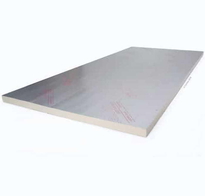
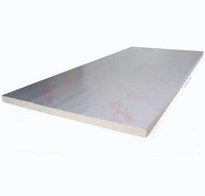
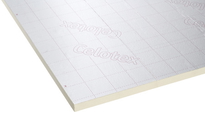
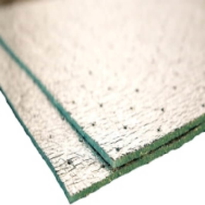
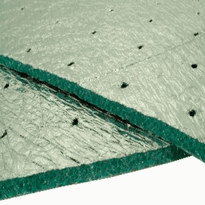
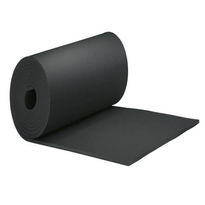
Polystyrene insulation, commonly available in retail garage door kits, consists of rigid panels that are inserted into the door or sandwiched between steel layers. This type enhances energy efficiency and contributes to quieter operation.
Polyurethane, injected as a foam, expands and hardens into a rigid barrier. It offers higher thermal resistance, increased durability, and better sound insulation, although it tends to be more costly.
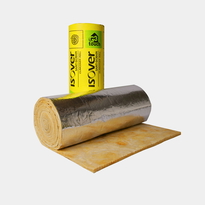
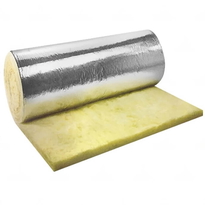
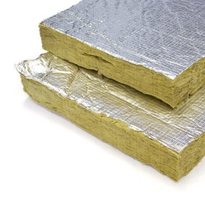
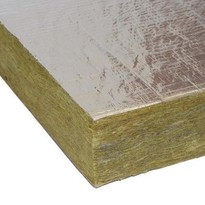
Fiberglass insulation is fire-resistant but requires careful attention to moisture issues, as it's vulnerable to dampness. It's relatively easy to install and provides a good balance between fire safety and moderate insulation properties.
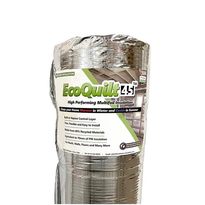
Additionally, recycled plant fiber, made from sustainable materials, offers environmental benefits and pest resistance. This eco-friendly option is gaining popularity among homeowners looking to reduce their carbon footprint.
When choosing insulation, consider the K-Value to understand thermal performance and the U-Value for overall thermal transmittance. These metrics help determine how well the material insulates and maintains temperature. Knowing these values can help you select the most suitable insulation based on your climate and energy goals.
Proper insulation of your garage door can dramatically improve energy efficiency, reduce noise, and enhance comfort within your garage space.
How Insulation Layers Affect Thermal Efficiency
The arrangement and composition of insulation layers within a garage door significantly influence its overall thermal efficiency by affecting its thermal resistance, which measures the material’s ability to resist heat transfer. Multiple layers, including an outer steel surface, an insulation core such as polystyrene or polyurethane, and an inner lining, work together to enhance insulation performance. The core material largely determines the U-value, with polyurethane offering lower U-values than polystyrene, thereby improving energy efficiency. Thicker insulation layers generally provide greater thermal resistance but may also add weight, which can impact the operation and longevity of the door. Proper layering that minimizes thermal bridging and prevents heat loss or gain through conduction and convection is essential. Combining materials thoughtfully ensures that the insulation performs optimally, maintaining indoor temperature stability and reducing energy consumption. Furthermore, the arrangement of layers can also influence the door’s overall durability and resistance to external elements, ensuring long-term efficiency.
Installing Insulation: Methods and Practical Tips
Effective insulation installation requires careful preparation and precise execution to ensure maximum efficiency and durability.
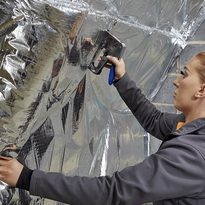
First, thoroughly clean the surfaces of the garage door to improve tape adhesion. Measure each panel accurately, noting that spacers are typically around 18 centimeters wide for wood supports. Cut the foam board insulation to match the dimensions of each section, making sure the fit is tight with minimal gaps. Proper measurement and fitting are critical to prevent heat loss and maintain door functionality. Attach vertical wooden strips inside the panel frames at approximately 40-centimeter intervals to support the insulation layers. Place the first foam layer directly against the metal surface, ensuring it's flat and secure.
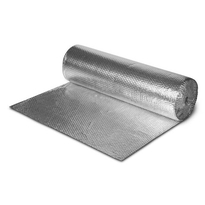
Next, insert narrow foam strips into the rail edges for sealing purposes, which helps to prevent air leaks. Incorporating fire-resistant insulation materials can also enhance safety and performance, especially around areas prone to heat transfer or fire risk. Secure each layer firmly with foil tape, creating an air gap that enhances thermal performance by reducing heat transfer. Using pre-cut insulation kits can simplify the process; however, attention to detail is essential to avoid obstructing the door’s operation and to maximize the effectiveness of the insulation.
Remember to double-check measurements and fittings at each stage to achieve a well-insulated and durable result.
Conclusion
Effective garage door insulation enhances thermal efficiency by minimizing heat transfer and energy loss. Choosing suitable materials, such as foam board or fibrous insulation, and applying them correctly ensures optimal insulation performance. Proper installation involves accurate measurements, secure placement, and sealing gaps to prevent draughts and air leaks.
Implementing these practices results in better temperature control and energy savings, while making garage doors more airtight, durable, and cost-effective. This also helps maintain consistent indoor conditions, contributing to overall energy efficiency within your property.