Lagging for External Boiler Pipes
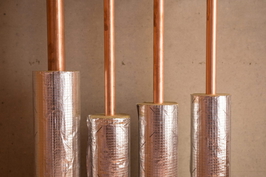
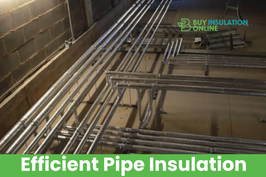
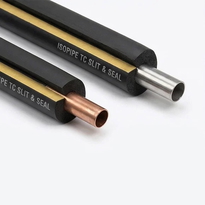
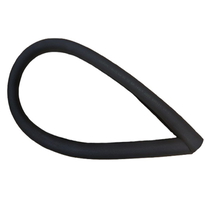
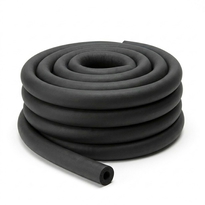
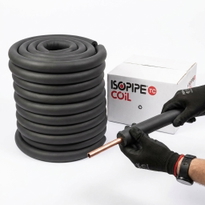
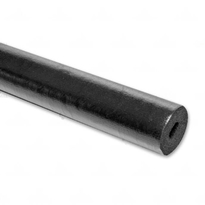
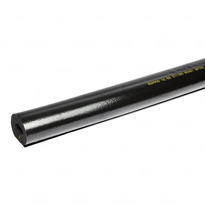
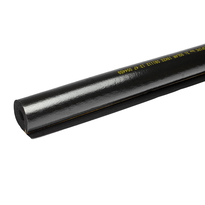
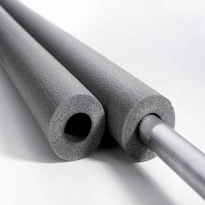
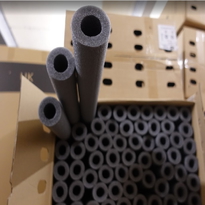
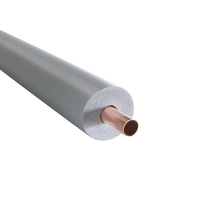
External boiler pipes benefit from lagging materials such as elastomeric rubber, polyethylene foam, or phenolic foam. These insulants help minimize heat loss, prevent condensation, and protect the pipes against weather damage. Proper installation involves cleaning the surfaces of the pipes, ensuring there are no gaps in the insulation, sealing all joints effectively, and securing the material tightly around the pipes. Regular inspection and maintenance are essential to sustain the insulation’s effectiveness over time.
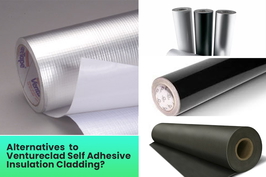
Applying vapor barriers or foil facings further reduces the risk of moisture ingress, helping to prolong the lifespan of the lagging and maintain safety standards. Understanding and implementing these best practices can optimize the performance and durability of external boiler pipes, ensuring reliable operation and energy efficiency.
Benefits of External Pipe Lagging for Boilers
External pipe lagging provides numerous practical advantages for boiler systems by enhancing energy efficiency and operational safety. It acts as an effective insulator, reducing heat loss from hot water pipes by creating a thermal barrier that retains heat. This results in decreased energy consumption and lower heating costs, making it a cost-effective solution for both residential and commercial properties.
By maintaining consistent pipe temperatures, lagging helps prevent the external surfaces from cooling down excessively, especially during cold weather. This minimizes the risk of freezing and potential pipe bursts, thereby safeguarding the integrity of the plumbing system.
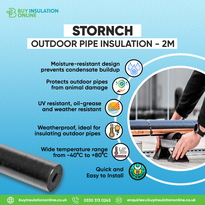
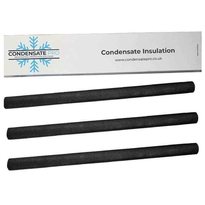
Additionally, external pipe lagging curtails condensation formation on cold water pipes. Reduced moisture accumulation lowers the chances of dampness, mold growth, and corrosion, contributing to a healthier environment and extending the lifespan of the piping infrastructure. The insulation's ability to withstand outdoor conditions also helps protect against damage from weather exposure, ensuring durability over time.
Moreover, the insulation helps dampen the noise produced by flowing water within the pipes, enhancing comfort in domestic and commercial settings.
Key Materials and Their Properties
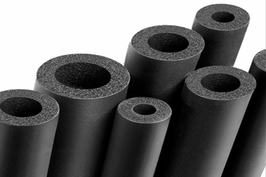
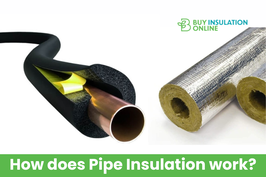
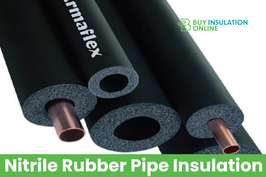
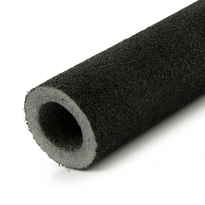
Selecting the appropriate materials for pipe lagging is crucial to optimize thermal efficiency and ensure long-term durability in outdoor boiler systems. Different insulation materials have unique features that make them suitable for specific environmental conditions. Elastomeric rubber, such as nitrile, provides excellent water resistance due to its closed-cell structure. It forms a dense rubber-like barrier that effectively restricts heat transfer, contributing to superior thermal insulation. Its flexibility allows easy fitting around various pipe shapes, while its resistance to mold growth and condensation helps maintain durability over time. Polyethylene foam is lightweight and flexible, making installation straightforward. Although it requires additional weatherproof coatings for prolonged outdoor applications, it offers moderate thermal insulation and good moisture resistance. Phenolic foam delivers superior thermal performance, and when paired with high-quality waterproof cladding, it resists prolonged water exposure while maintaining energy efficiency. Mineral wool and glass wool are also valuable options, providing excellent fire safety, mechanical robustness, and sound insulation. These materials are often combined with external protective jackets to enhance durability against the elements. Additionally, bio-based insulation can provide eco-friendly benefits in some applications, supporting sustainability goals. Choosing the right material depends on the specific requirements of your installation environment, balancing insulation properties with weather resistance to achieve the best results.
How Lagging Controls Condensation and Moisture
Effective control of condensation and moisture on boiler pipes depends on the strategic use of lagging materials combined with proper installation techniques. Pipe lagging, using materials such as foam, nitrile rubber, foil-faced mineral wool, or fiberglass, provides insulation that helps maintain the surface temperature of pipes above the dew point. This prevents condensation formation and subsequent moisture issues. Warm surfaces reduce the likelihood of moisture accumulating on cold pipe surfaces, further protecting the system. Insulating pipes effectively reduces temperature differences that favor moisture accumulation. It also acts as a thermal barrier, minimizing heat loss and helping to sustain a consistent temperature along the pipe surface. Sealing gaps and cracks around the pipes, along with the use of vapor barriers or foil facings, restricts airflow and moisture diffusion. Such measures are essential for limiting humidity fluctuations and preventing surface condensation that can lead to corrosion and material degradation. Ensuring proper ventilation and controlling indoor humidity levels through appropriate measures enhances the effectiveness of lagging systems by reducing moisture load. Maintaining uniform temperature levels within the environment by regulating ambient conditions and deploying high-quality lagging is crucial. Ensuring pipe surfaces stay warm reduces the risk of moisture accumulation and related damage. Consequently, this approach safeguards the overall integrity and longevity of the system, promoting safer and more efficient operation.
Installation Tips and Maintenance Practices
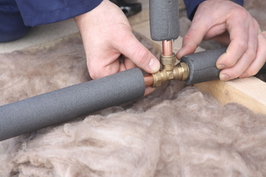
Proper installation of lagging on external boiler pipes requires meticulous attention to surface preparation and placement techniques to ensure optimal insulation performance and durability.
Before applying lagging, all pipe surfaces must be thoroughly cleaned and dried to promote effective adhesion and prevent moisture entrapment. Cleanliness is essential to prevent any moisture or dirt from compromising the insulation’s effectiveness. Ensuring proper surface preparation also reduces the risk of damage or deterioration over time.
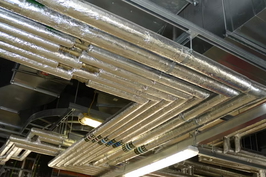
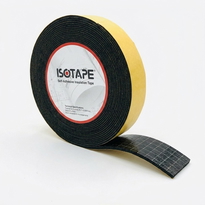
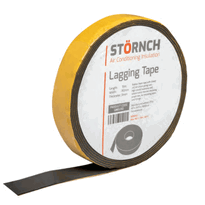
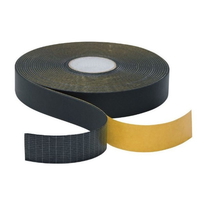
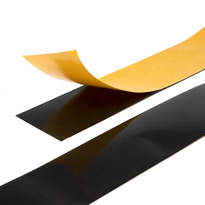
The lagging should be installed continuously, avoiding gaps or joints that could create thermal bridges or allow water ingress. Sealing tapes or mastics must be applied at seams, joints, and access points to maintain a weatherproof barrier.
Mechanical fixings or compatible cladding systems should be used to secure the insulation firmly in place, accommodating pipe bends and joints with customized layers to ensure consistent thickness and optimal protection.
Regular inspection and maintenance are essential to identify and repair any damage promptly, thereby supporting long-term performance and compliance with safety standards.
Conclusion
Proper external lagging of boiler pipes enhances energy efficiency by reducing heat loss and minimizing condensation issues that can lead to corrosion and equipment failure. Selecting appropriate materials, correctly installing insulation, and performing regular maintenance are essential steps to ensure optimum performance and longevity. Adhering to best practices guarantees that lagging effectively manages moisture, maintains system integrity, and provides a safe, cost-effective solution for managing boiler piping.
Featured Articles on Lagging for external boiler pipes