Lagging for Outside Boiler Pipes
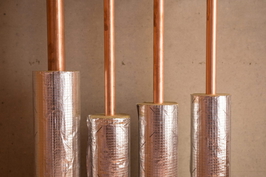
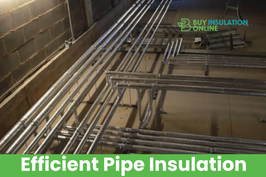
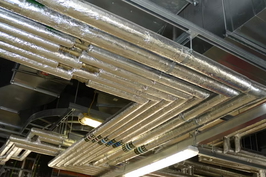
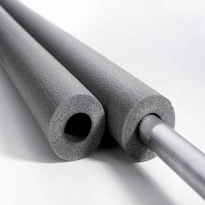
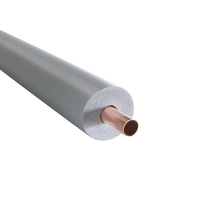
Outside boiler pipes should be insulated with durable, weather-resistant materials such as foam glass, fiberglass, or PIR foam. These insulation options effectively reduce heat loss, prevent condensation, and protect pipes from environmental damage. Proper installation involves selecting the most suitable material based on exposure conditions and thermal performance needs, securely fitting the insulation around pre-insulated pipes, and conducting regular inspections to identify and address any signs of deterioration.
Understanding the properties and proper application of these insulation materials can optimize system efficiency, extend the lifespan of the pipes, and maintain operational reliability. As techniques and materials continue to improve, further detailed guidance is available to support best practices in lagging outside boiler pipes.
Types of Materials Used for Outside Boiler Pipe Lagging
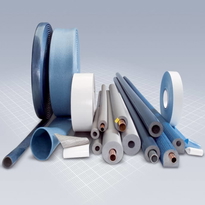
Various materials are employed for outside boiler pipe lagging, each selected based on specific thermal, environmental, and safety requirements.
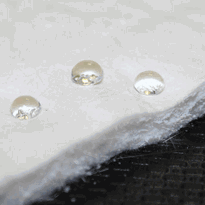
Foam glass insulation is manufactured from crushed, heated glass that expands into a lightweight, closed-cell form. It offers excellent moisture resistance, preventing mold and corrosion, and remains stable at very low temperatures. This makes it ideal for cryogenic applications and outdoor installations where moisture and extreme cold are present.
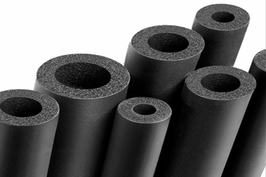
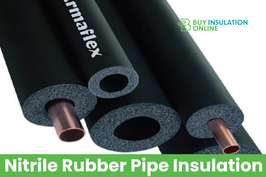
Polyurethane and polyisocyanurate (PIR) foam insulations are lightweight, closed-cell materials with high thermal resistance. PIR, in particular, can withstand continuous exposure to temperatures up to approximately 150°C, making these materials suitable for outdoor industrial piping where durability and effective heat control are necessary.
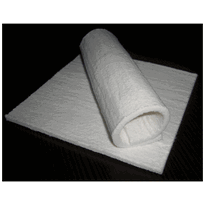
Fiberglass insulation, composed of fine glass fibers, is capable of withstanding high temperatures efficiently and resists corrosion. It's often chosen when durability and thermal management in outdoor environments are essential. Fiberglass pipe insulation has a long history of reliable performance in industrial settings, aided by its inherent high temperature tolerance and corrosion resistance.
Selecting the appropriate lagging material depends on the specific operational conditions and environmental factors to ensure optimal performance and longevity.
Key Benefits and Energy Savings With Proper Lagging
Proper lagging of external boiler pipes offers significant improvements in energy efficiency by considerably reducing heat loss—often by as much as 90 to 95 percent—thus minimizing unnecessary fuel consumption. This reduction in heat transfer results in higher pipe temperatures, fewer boiler firing cycles, and substantial fuel savings.
For instance, insulating 30 meters of 50mm diameter pipe with hot water (around 82°C) can save approximately £300 annually. Additionally, heat loss from uninsulated pipes, which can reach around 530 W/m, is decreased to roughly 85 W/m through insulation, helping to lower system stress.
The benefits are summarized below:
Benefit |
Effect |
Result |
| Energy Efficiency | Reduces heat loss by up to 95% | Lower fuel bills |
| Cost Savings | Potential savings of up to £300 per year per 30 metres | Faster return on investment |
| Emissions Reduction | Up to 95% decrease in CO? emissions | Lower environmental impact |
| System Performance | Prevents condensation and thermal stress | Prolonged system lifespan |
| Operational Stability | Maintains consistent operating temperatures | Increased reliability |
Implementing proper lagging techniques on your boiler pipes not only contributes to operational cost reductions but also supports environmental sustainability and enhances the longevity of your heating systems. Additionally, the use of high-performance materials like YBS SuperQuilt can further optimize insulation effectiveness and durability.
Installation, Maintenance, and Safety Considerations
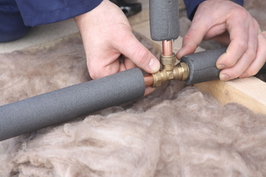
Installing, maintaining, and ensuring safety during the process of lagging outside boiler pipes demand careful planning and methodical procedures to prevent damage, optimize system efficiency, and safeguard personnel. Proper installation begins with routing pipes thoughtfully to avoid sharp bends, steep slopes, or obstructions such as rocks and roots that could compromise the system’s integrity. When installing PEX pipes, selecting high-quality, pre-insulated options can streamline the process and provide consistent protection. Using pre-insulated pipes, for example insulated PEX, simplifies the installation process while providing accurate and uniform coverage. Pipe ends should be cut cleanly and squarely to ensure a secure fit, and fittings should be assembled using hand-tightening followed by a slight additional turn. This approach helps prevent leaks without damaging the joints. Regular inspections of insulation are essential to check for damage, water ingress, and deterioration, thereby maintaining optimal performance. Inspecting insulation regularly can also help identify early signs of wear or damage, extending the lifespan of the system. Additionally, understanding the importance of thermal bridging can help in properly insulating pipes to minimise heat loss. Safety measures include protecting the insulation from weather exposure, avoiding damage to the oxygen diffusion barrier, and adhering to local safety standards to prevent hazards or corrosion. Maintaining disciplined procedures throughout installation and maintenance phases will promote system longevity, operational efficiency, and the safety of all personnel involved.
Conclusion
Proper lagging of outside boiler pipes is essential for maintaining effective thermal insulation, reducing heat loss, and enhancing overall energy efficiency. Selecting suitable materials, such as fibreglass or foam-based products, should be based on working conditions and potential exposure risks to the environment. Ensuring correct installation and carrying out regular maintenance are crucial steps to uphold safety standards and optimise performance. By adhering to these practical guidelines, operators can significantly minimize energy consumption and extend the durability of the piping system. This not only supports reliable and safe boiler operation but also contributes to cost savings in the long term across various British environments.
Featured Articles on Lagging for outside boiler pipes