Lagging for Outside Plastic Pipes
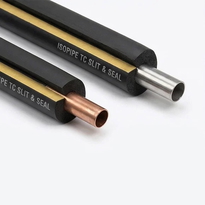
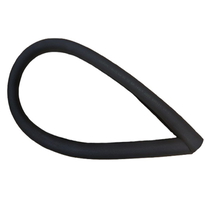
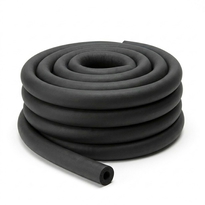
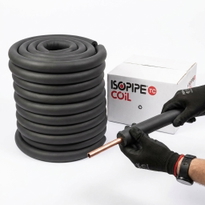
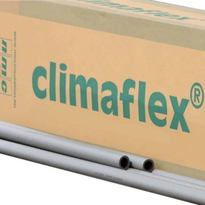
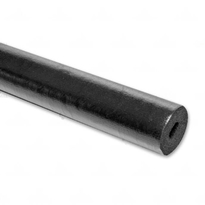
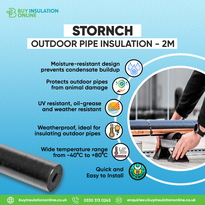
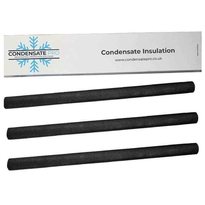
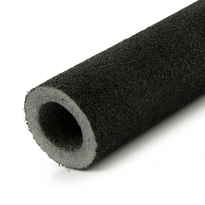
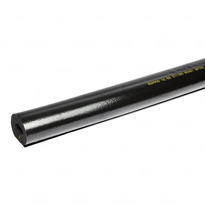
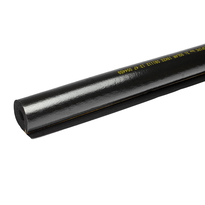
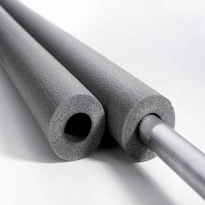
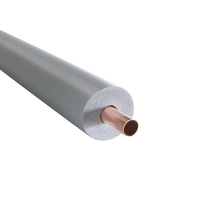
Lagging for outside plastic pipes involves selecting suitable insulation materials such as foam, rubber, or mineral wool, specifically designed to withstand outdoor conditions. Proper lagging helps prevent heat loss, protects against freezing temperatures, and extends the lifespan of your piping system.
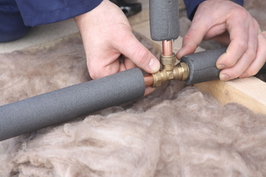
When installing external pipe insulation, it is important to measure the pipe dimensions accurately to ensure a snug fit. Start by thoroughly cleaning the surface of the pipe and the insulation materials to remove any dirt or debris. Fit the insulation carefully around the pipe, making sure it is snug but not overly tight to avoid damaging the material.
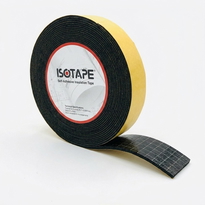
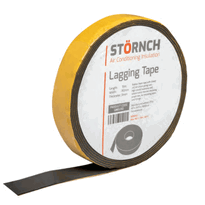
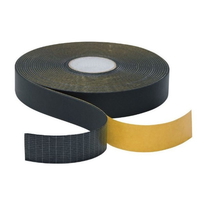
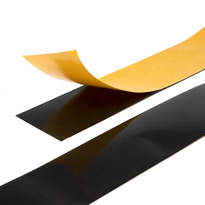
Seal any joints or overlaps with appropriate tape or sealant to prevent gaps that could compromise performance. Use ties or clamps to secure the insulation sections firmly in place, ensuring they do not shift over time.
Regular inspections of the lagging are essential to maintain its effectiveness. Look for signs of wear, damage, or gaps, and make necessary repairs promptly to ensure continuous protection.
Understanding these steps is crucial for maintaining efficient and durable outdoor piping systems. Proper lagging not only reduces energy loss but also safeguards your pipes against UK's varying weather conditions, ensuring they function reliably year-round.
Understanding the Importance of Insulating Outside Plastic Pipes
Insulating outside plastic pipes is crucial for maintaining their efficiency and longevity. Proper insulation significantly enhances thermal performance, reduces energy consumption, and shields pipes from environmental damage. Plastic pipes have a thermal conductivity of approx. 0.16 to 0.22 W/m.K. By preventing heat loss or gain by as much as 75%, insulation helps keep water temperatures stable, which reduces the workload on heating systems and leads to lower energy bills. In colder climates, insulation acts as a vital safeguard against freezing, preventing pipes from expanding and bursting—a costly and disruptive problem. Furthermore, lagging stops moisture contact with the pipe surfaces, thereby reducing condensation, mold growth, and potential structural issues within buildings. Insulation also provides mechanical protection, shielding pipes from impacts, vibrations, and abrasion. It helps minimize noise caused by temperature fluctuations and thermal expansion, contributing to a quieter, more comfortable environment. Additionally, weatherization strategies such as proper sealing and secure lagging can further improve insulation effectiveness. Overall, insulating outside plastic pipes extends their lifespan, ensures compliance with UK energy efficiency standards, and promotes reliable, cost-effective plumbing operation. Proper insulation is an essential aspect of sustainable building management and maintenance.
Types of Materials Used for Pipe Lagging and Their Benefits
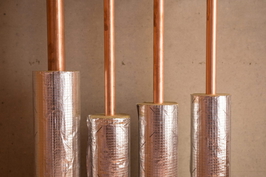
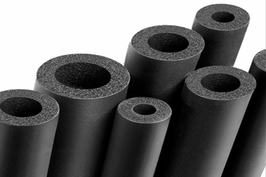
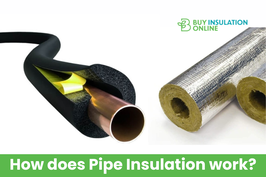
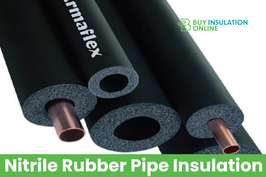
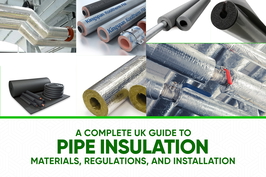
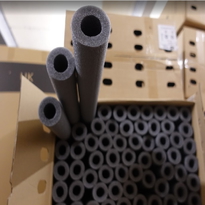
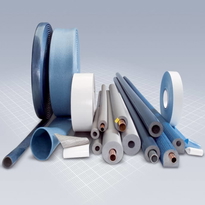
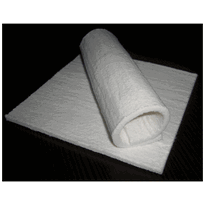
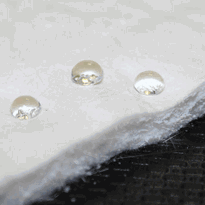
Various materials are utilized for pipe lagging in the UK, each offering distinctive advantages suited to specific applications and environmental conditions. Fiberglass provides high thermal performance with low conductivity, effectively reducing heat loss and maintaining pipe temperatures. Its non-combustible, fire-resistant qualities enhance safety, especially in industrial settings. However, it can absorb moisture if not properly sealed, which may decrease efficiency over time. Fiberglass's non-combustible nature makes it particularly suitable for high-temperature environments. Rubber lagging offers excellent water resistance through its closed-cell structure, allowing flexible installation on complex piping arrangements. It also resists environmental damage and UV exposure, making it suitable for outdoor applications. Foam materials, such as polyethylene and polyurethane, are lightweight and resistant to oils, making them ideal for frost protection. Nonetheless, outdoor installations require additional protective cladding to prevent damage from the elements, and choosing the right foam type depends on the specific environmental exposure. Mineral wool and rockwool are notable for their high-temperature resistance and fire-retardant properties. These materials are heavier and less flexible compared to other options but excel in hazardous or high-heat environments. Aerogel-based insulations deliver superior thermal efficiency within a compact profile. They're often suitable for extreme conditions where space is limited or high-performance insulation is required. Additionally, selecting insulation materials with weatherproofing qualities like UV and waterproof coatings ensures long-term performance outdoors. Choosing the appropriate pipe lagging material depends on the specific environmental conditions, safety requirements, and operational considerations of your project.
Best Practices for Installing and Maintaining External Plastic Pipe Insulation
Proper installation and ongoing maintenance of external plastic pipe insulation are essential to ensure optimal thermal performance, prevent moisture ingress, and prolong the lifespan of the insulation system. Accurate measurement of pipe diameter is crucial to guarantee a snug fit, while measuring the total length helps determine the amount of material required. Before commencing installation, thoroughly clean the pipe surface to remove dirt, grease, and debris. This ensures good adhesion and effective sealing. When cutting insulation, use appropriate tools to achieve precise cuts, and carefully mark cutting points, especially around angles and joints, to ensure a perfect fit. Utilize pre-cut slits where applicable, and apply tape or adhesive as needed to secure the insulation in place. Secure the insulation every one to two meters with suitable ties or clamps to prevent movement. It's equally important to seal all seams, joints, and pipe penetrations using appropriate tape or sealant to prevent moisture ingress and air leaks. Regular inspections are vital. Check for signs of damage, wear, or detachment, and replace any compromised sections promptly. Additionally, ensure all seals are intact and reapply sealant or tape as necessary. Maintaining a comprehensive upkeep routine helps to sustain the system’s integrity, maximizing insulation effectiveness and extending its service life. In addition, it’s advisable to insulate the pipes running through unheated spaces such as lofts or garages, which are more vulnerable to temperature fluctuations that can cause freezing and bursting. Furthermore, selecting proper insulation materials designed for external pipe protection can enhance durability against weather elements and UV exposure.
Conclusion
Proper insulation of outside plastic pipes is crucial to prevent heat loss, reduce energy consumption, and avoid pipe freezing or damage. Selecting appropriate materials such as foam or rubber ensures effective thermal protection, while correct installation and regular maintenance maximize performance and lifespan. Following best practices guarantees that the insulation remains secure and functional under various weather conditions. Ultimately, thorough pipe lagging enhances system efficiency and minimizes potential repair costs, making it an essential aspect of pipeline management in the UK.
Featured Articles on Lagging for outside plastic pipes