
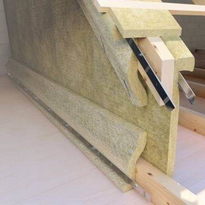
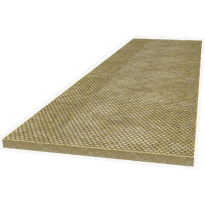
Non Combustible Breather Membrane
Non-combustible breather membranes are essential building materials designed to enhance fire safety while allowing moisture to escape from walls or roofs. These membranes are crafted from materials such as fibreglass, polymers, and aluminium foil, complying with stringent fire safety standards like Euroclass A1 or A2.
By preventing water ingress, these membranes significantly reduce the risk of fire spread and contribute to the overall durability of buildings. They play a crucial role in modern construction, ensuring that structures remain safe and sustainable.
As you delve deeper into the subject, you will uncover more about their features, applications, and the ways in which they bolster construction safety in the UK.
What Are Non-Combustible Breather Membranes and How Do They Work
Non-combustible breather membranes are specialised building materials primarily utilised in ventilated facades and pitched roofs to enhance safety and durability.
They serve as a barrier that's waterproof yet vapour-permeable, allowing moisture to escape from wall assemblies while preventing water ingress.
Constructed from high-quality materials, these membranes often incorporate fibreglass cloth combined with polymers and layers of aluminium foil for improved vapour control.
Their design focuses on fire-resistance, adhering to strict standards of limited combustibility, which significantly enhances safety.
These membranes play a crucial role in preventing moisture accumulation within walls, thereby reducing the risk of fire spread.
When installed directly onto sheathing or insulation, they function as both rain screens and vapour barriers.
The unique structure of non-combustible breather membranes ensures that buildings remain safe, dry, and durable, making them an essential component in modern construction practices.
Fire Safety Standards and Classifications for Breather Membranes
Fire safety standards and classifications for breather membranes are determined through established classification systems that evaluate their combustibility and smoke production. The Euroclass system categorises materials from A1 (non-combustible) to E (high combustibility). Most non-combustible membranes achieve A2-s1,d0 or higher classifications, indicating they possess limited combustibility, generate minimal smoke, and don't emit burning droplets. Class B membranes, which are flame retardant, are prevalent and still comply with safety requirements for numerous buildings. Membranes classified as A1 are fully non-combustible and are ideal for meeting the highest fire safety standards. Contemporary regulations, such as the Approved Document B, provide some exemptions for membranes from stringent requirements, but it's anticipated that these regulations will become more stringent, emphasising the importance of classifications for safe construction. Many building codes now favor A1-rated materials due to stricter fire safety concerns. Rigorous testing and certification processes ensure that membranes adhere to these safety standards, thereby protecting both buildings and their occupants.
Applications and Benefits in Modern Building Envelopes
Modern building envelopes benefit significantly from the use of non-combustible breather membranes, particularly in safeguarding thermal insulation from moisture and water damage.
These membranes are adaptable for a variety of structures, including residential, commercial, industrial, timber, steel, masonry, and SIP buildings. They're particularly suited for high-rise and public buildings, such as hospitals, schools, and offices that necessitate stringent fire safety standards.
Installed on the outer layers of roofs, walls, and facades, they provide essential advantages:
Prevent moisture vapour from entering, thereby avoiding condensation within walls and roofs
Block rain and water while allowing vapour to escape, ensuring a dry interior
Enhance building airtightness, which reduces energy loss and improves overall efficiency
Vapour permeability ensures water vapour can diffuse out, reducing the risk of mould growth and material deterioration
These membranes enhance durability, extend the life of insulation, and ensure compliance with safety regulations, making them vital for modern, safe, and energy-efficient buildings.
Key Technical Properties and Performance Features
Key technical properties and performance features of breather membranes are vital for their effectiveness in building applications. These membranes are classified as non-combustible, with ratings such as A1 or A2 according to BS EN 13501-1, indicating they present minimal fire risk. They self-extinguish if ignited and are treated with halogen-free flame-retardant coatings, which help to reduce smoke and toxic droplets. Built-in safety features like fire-retardant properties enhance overall building safety. Constructed from high-quality materials, such as glass fibre backings with aluminium foil, these membranes offer robust fire resistance and vapour control. They exhibit impressive tensile strength, coupled with flexibility supported by significant elongation at break. The membranes are designed to resist tearing and are engineered for superior performance under various conditions, including UV exposure, moisture, and temperature fluctuations. This ensures long-term durability and reliable energy performance within building envelopes, making them an essential component in modern construction practices.
Notable Products and Market Options for Enhanced Fire Resistance
A variety of products currently dominate the market by providing enhanced fire resistance for building envelopes. These offerings include membranes specifically designed to meet rigorous safety standards. For instance, DuPont™ Tyvek® Trifecta™ features an A2-s1, d0 classification, thereby exceeding UK Building Regulations and making it particularly suitable for high-rise external walls. This membrane's non-combustible nature ensures superior fire safety performance in critical applications.
ITP’s Stamisol A1 offers the highest fire safety rating alongside durable, lifetime-guaranteed performance, effectively resisting both smoke and heat. Partel’s EXOPERM DURO A1 incorporates advanced glass fibre fabric, rendering it appropriate for structures in high-risk categories. Additionally, EXOPERM MONO DURO A2 ensures fire safety with an A2 rating while providing excellent vapour openness.
These products create a protective atmosphere, often incorporating:
Flame-retardant membranes for versatile application
Airtight, vapour-permeable options for effective moisture management
Sealing tapes that enhance the integrity of fire safety systems
Conclusion
Non-combustible breather membranes enhance building safety by providing fire-resistant barrier solutions that adhere to stringent safety standards, while also increasing overall durability. These membranes are ideal for contemporary construction, delivering advantages such as high performance, reliability, and compliance with fire regulations.
With a variety of options available in the market, these membranes can be confidently integrated into building envelopes, ensuring the protection of both occupants and property. Their technical properties guarantee safety without compromising effectiveness, making them a prudent choice for creating safer, more resilient buildings.
Incorporating non-combustible breather membranes into your construction projects not only meets regulatory requirements but also contributes to the longevity and reliability of the building structure.