Outdoor Lagging for Pipes
Outdoor pipe lagging utilizes materials such as fiberglass, mineral wool, or closed-cell foam to provide effective insulation against heat loss and temperature extremes. To maximize durability, weatherproofing measures involve applying moisture-resistant tape, sealing joints thoroughly, and installing rain shields to prevent water ingress and freezing. Proper installation includes taking accurate measurements of pipe dimensions, ensuring insulation fits snugly around bends and irregularities, and sealing all joints securely. Maintaining these best practices enhances the longevity and efficiency of the pipe insulation. Further detailed strategies can offer even greater protection and performance.
Common Materials Used for Outdoor Pipe Insulation
Several materials are commonly used for outdoor pipe insulation, each chosen for its specific properties to ensure effective thermal management and protection against environmental factors.
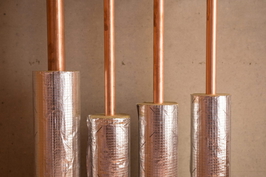
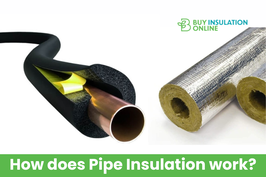
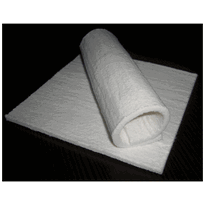
Fiberglass pipe insulation, made from spun glass fibers, offers excellent thermal resistance and sound absorption. It's suitable for both hot and cold water pipes, particularly when combined with vapour barriers to prevent moisture ingress.
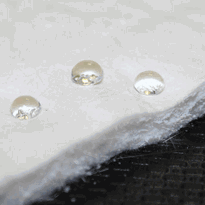
Mineral wool, derived from natural or synthetic minerals, provides outstanding fire resistance and can tolerate high temperatures. Hydrophobic variants of mineral wool help prevent rust and mold growth, making them ideal for harsh outdoor conditions.
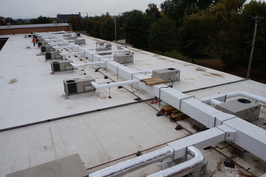
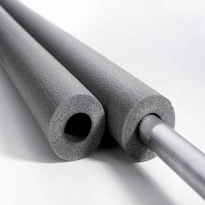
Polyurethane foam, a closed-cell material, delivers high thermal resistance while being lightweight and easy to install. Its durability makes it suitable for outdoor industrial applications across a wide temperature range.
Polyisocyanurate foam is an enhanced form of foam that offers improved fire resistance and can withstand extreme temperatures. This material's properties make it particularly effective for extending the lifespan of pipes in demanding environments.
These materials collectively address the need for dependable, durable protection for pipes installed outdoors, ensuring performance and longevity in UK weather conditions.
Selecting Insulation Based on Temperature Resistance and Performance
Choosing the appropriate insulation material for outdoor pipes requires careful consideration of their temperature resistance and performance characteristics. Materials such as Performance+ Earthwool can withstand a wide temperature range from 0°C to 538°C, making them suitable for high-temperature applications. Insulation rated Class O is effective for hot pipes up to about 105°C but has limitations beyond that. Certain insulation materials are specifically designed for outdoor conditions and can withstand prolonged exposure to weather elements. Fiberglass insulation thickness must be adjusted according to the pipe’s operating temperature, with thicker layers for higher temperatures—up to 50 mm for pipes exceeding 315°C. Insulation materials should meet standards such as ACE 2019, ensuring minimum thermal conductivity for safety and efficiency. [Proper insulation selection also benefits from understanding the insulation’s fire-resistance ratings, which can impact safety and compliance. Selecting the right insulation involves balancing temperature resistance, material properties, and compliance with performance standards to ensure durability, safety, and energy conservation. Proper insulation not only protects against heat loss but also enhances safety by preventing heat transfer to surrounding structures.
It's essential to consider both the operational environment and the specific requirements of the installation to make an informed choice that ensures long-term performance and safety.
Weatherproofing and Moisture Prevention Measures
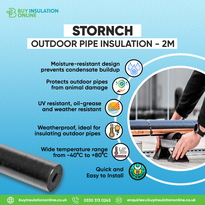
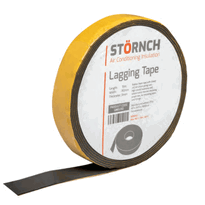
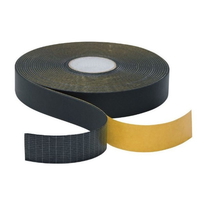
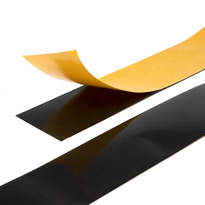
Effective weatherproofing of outdoor pipe systems is vital to prevent moisture infiltration and ensure durability under harsh weather conditions. Implementing robust weatherproof sealing techniques plays a crucial role. Applying weather-resistant laminate tape with pressure-sensitive adhesive (PSA) on all insulation lap and butt joints creates a reliable barrier, with four-inch-wide tape providing a strong seal against water ingress. Proper sealing materials are essential to prevent leaks and water damage. Ensuring that joints are properly sealed and clearly visible allows for straightforward inspection and periodic maintenance. Additionally, selecting insulation options with high thermal performance can help maintain consistent temperatures and reduce condensation issues.
Furthermore, installing rain shields made from aluminium around pipe hangers directs rainwater away from vulnerable areas, helping to prevent water entry. Protective foam covers for valves and insulation components offer additional barriers against freezing temperatures and moisture damage.
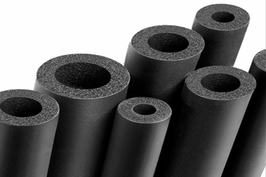
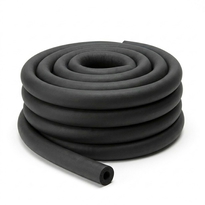
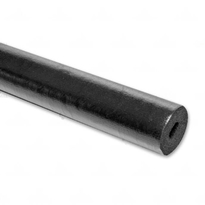
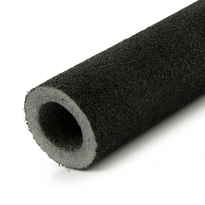
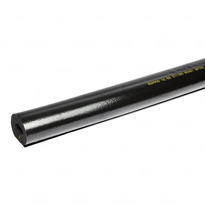
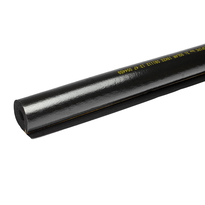
Selecting high-moisture-resistant insulation materials, such as closed-cell rubber or foam sleeves, reduces water absorption and extends the lifespan of the system.
Cleaning surfaces thoroughly before insulation installation enhances adhesion and minimizes the risk of trapped moisture, contributing to long-term durability. By adopting these measures, outdoor pipe systems can withstand adverse weather conditions while remaining protected against moisture-related issues.
Practical Tips for Installing and Maintaining Outdoor Pipe Lagging
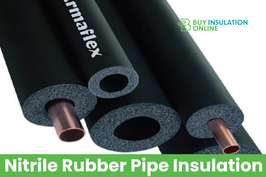
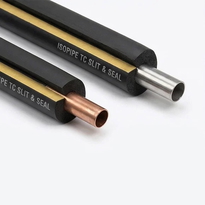
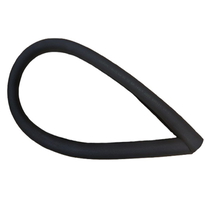
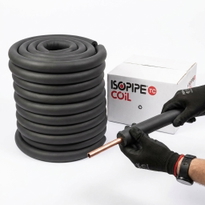
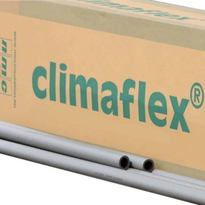
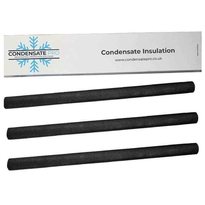
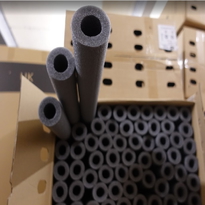
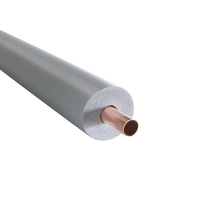
Proper installation of outdoor pipe lagging requires careful selection of materials and precise application techniques to ensure long-term effectiveness. Choosing foam tubing insulation in various diameters is a cost-effective approach that allows for a proper fit over pipes, especially when using pre-cut slit tubes, which make installation easier by sliding directly over the pipe.
Accurately measuring the pipe's diameter and length is essential to ensure sufficient coverage and to prevent gaps that could compromise insulation performance. Before fitting the lagging, cleaning the pipe surfaces of dust, dirt, and impurities improves adhesion and helps to achieve a better seal. This step is vital for maintaining the insulation's effectiveness over time.
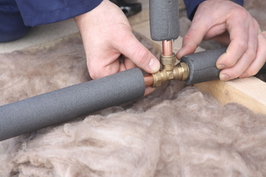
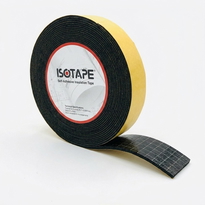
For joints and pipe ends, sealing materials such as double-sided tape, insulating tape, or appropriate adhesives can be used to create a waterproof and airtight seal. When working with different pipe configurations, techniques include sliding the foam over straight sections, cutting the ends of tubes at 45° angles to fit around bends, and shaping wedges for T-junctions. These methods help to ensure continuous thermal protection and durable sealing across all sections of piping.
Regular checks and maintenance of outdoor pipe lagging are recommended to identify and repair any damage promptly. Replacing worn or damaged insulation helps maintain energy efficiency and prevents issues related to freezing or heat loss. Proper installation and upkeep of outdoor pipe lagging will extend the life of your piping system and optimize its performance in your outdoor environment.
In addition, using high-quality insulation materials can significantly improve the durability and insulation properties of your pipe lagging, ensuring better protection against weather conditions.
Conclusion
Proper outdoor pipe lagging involves selecting suitable materials with appropriate resistance to temperature fluctuations, ensuring effective weatherproofing, and adhering to precise installation procedures. Regular maintenance, including inspections for damage or moisture ingress, helps to extend the lifespan of the insulation and maintain optimal pipe performance. Following these detailed practices provides reliable protection against environmental elements, prevents heat loss, and reduces the risk of pipe failure. Implementing systematic insulation and maintenance strategies ensures the durability and efficiency of outdoor piping systems over time.
Featured Articles on Outdoor lagging for pipes