Outdoor Waste Pipe Insulation
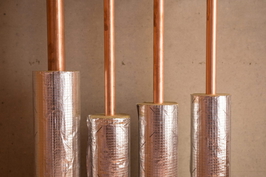
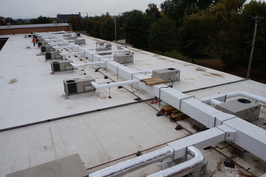
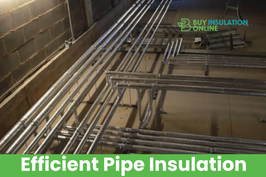
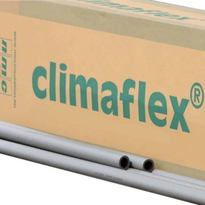
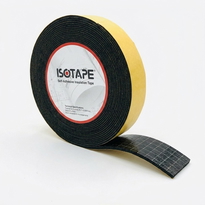
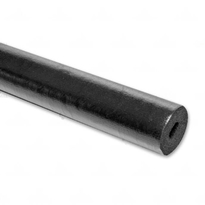
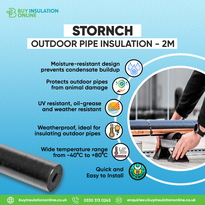
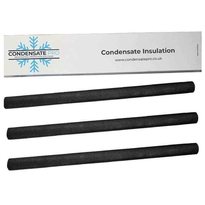
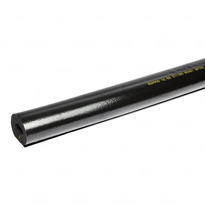
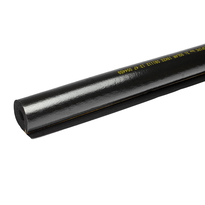
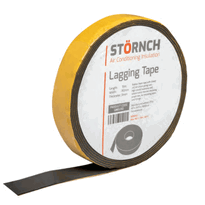
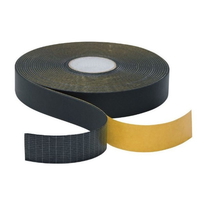
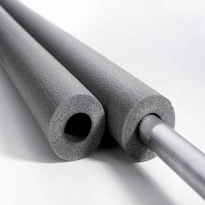
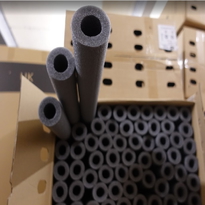
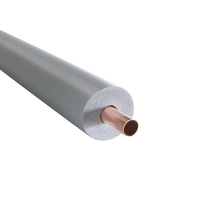
Outdoor waste pipe insulation employs durable, weather-resistant materials such as polyethylene or elastomeric foam to safeguard pipes exposed to the elements. Proper insulation ensures thermal efficiency, prevents freezing, minimises condensation, and protects pipes from moisture, UV light, and temperature fluctuations. Installation typically involves fitting snug foam sleeves or sheets around the pipes, sealing joints with suitable tape or adhesive, and ensuring complete coverage of all vulnerable areas.
Choosing appropriate materials and adhering to correct installation practices can significantly extend the lifespan of outdoor pipes and enhance safety. For optimal protection, it is essential to select insulation with good resistance to weathering and UV exposure, and to regularly inspect and maintain the insulation to address any wear or damage promptly. Properly insulated waste pipes contribute to efficient system performance and reduce the risk of pipe failure in colder months.
Common Materials for Outdoor Waste Pipe Insulation
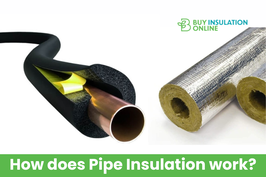
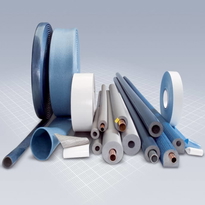
Various materials are employed to insulate outdoor waste pipes, each chosen for specific properties such as thermal performance, moisture resistance, flexibility, and durability.
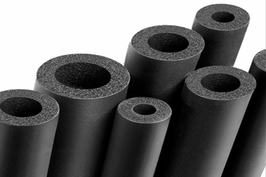
Polyethylene foam is versatile, resistant to abrasion and water, and suitable for both hot and cold water pipes. Its adaptability makes it a popular choice in various installation scenarios.
Polyurethane foam offers high thermal resistance, helping to maintain desired temperatures and prevent heat loss or gain in pipe systems.
PVC foam insulation is lightweight, easy to fit, and available in flexible tubes or rigid sheets. This makes it convenient for a range of application requirements.
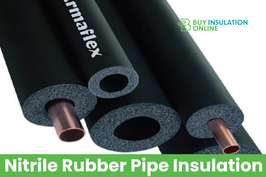
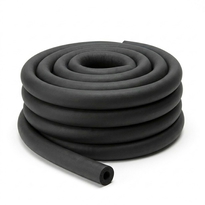
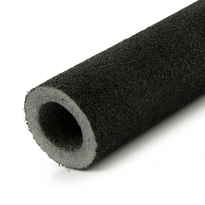
Elastomeric foam is notably flexible, allowing it to accommodate pipe movement and vibrations. It also helps reduce condensation, which can cause moisture buildup and potential damage, including corrosion or mould growth.
Rubber insulation is resistant to moisture and ultraviolet (UV) radiation, making it particularly suitable for outdoor environments. It can withstand a wide range of outdoor temperatures, ensuring long-lasting durability despite exposure to the elements.
Additionally, selecting weather-resistant materials can significantly extend the lifespan of insulation in harsh outdoor conditions.
Advantages of Proper Pipe Insulation
Proper pipe insulation offers numerous tangible benefits that enhance the efficiency and lifespan of plumbing systems. By effectively reducing heat loss from hot water pipes, it can lead to savings of between 10% and 20% on heating costs within domestic properties. Commercial buildings also benefit significantly through operational savings, as insulation minimises energy wastage.
In addition, pipe insulation helps to maintain consistent water temperatures, which boosts user comfort by providing immediate hot water. It also reduces waiting times and acts as a safeguard against pipe freezing, particularly in colder climates. This protection prevents potential damage caused by the expansion and contraction of pipes due to freezing and thawing cycles, thus extending their overall durability. Proper insulation can also prevent condensation on cold pipes, thereby reducing moisture-related issues. Using insulation materials like Resonate Resoboard acoustic plasterboard, which offers superior performance, can further enhance insulation effectiveness and durability.
From an environmental perspective, properly insulated pipes contribute to lower energy consumption and decreased greenhouse gas emissions, aligning with sustainability objectives.
Operationally, well-insulated systems ensure reliable heat delivery, improve responsiveness, and reduce maintenance costs. Ultimately, this leads to a more reliable, efficient, and longer-lasting plumbing infrastructure for both residential and commercial properties.
Key Properties to Consider When Choosing Insulation
Key Properties to Consider When Choosing Insulation for Outdoor Waste Pipes
When selecting insulation for outdoor waste pipes, it's crucial to consider key properties that determine the material’s effectiveness and longevity.
Thermal Performance and U-Value: Insulation should offer adequate thermal resistance, with a recommended minimum thickness of 19 mm. Lower thermal conductivity (k-value) enhances efficiency, and U-values typically range depending on pipe size and environmental conditions. A lower U-value indicates better insulation performance, helping to minimise heat loss and prevent condensation. Proper insulation can significantly improve thermal efficiency and reduce energy costs.
Weather Resistance and Durability: Insulation used outdoors must withstand exposure to moisture, ultraviolet (UV) radiation, and temperature fluctuations.
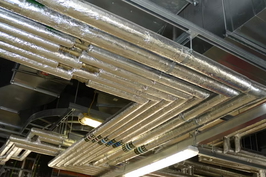
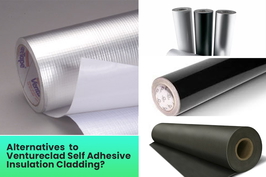
Materials such as mineral fibre often require foil facings or coatings to improve weather resistance.
Cellular elastomers are characterised by low water vapour permeability, which helps prevent moisture ingress and maintains insulation performance over time.
Material Compatibility: Common insulation materials include mineral fibre, fibreglass, and cellular elastomers.
It's essential that these materials conform to relevant UK standards to ensure they meet performance criteria.
The suitability of each material depends on pipe dimensions, environmental exposure, and specific performance requirements.
Fire Safety: Insulation materials should exhibit low flame spread and smoke development indices to ensure safety.
Mineral fibre naturally provides fire resistance, while foam-based insulations must be treated with fire retardants to meet UK safety regulations.
When choosing insulation for outdoor waste pipes, prioritising these properties will help ensure optimal performance, safety, and durability in the challenging outdoor environment.
Insulation Application Methods and Tips
Applying insulation to outdoor waste pipes requires careful preparation and systematic execution to ensure maximum effectiveness and longevity.
Firstly, pipes should be thoroughly cleaned to remove dirt, grease, or debris. It's important to inspect the pipes for any damage or leaks, which should be repaired before proceeding with insulation application. The surface must be completely dry to prevent moisture from compromising the insulation bonds. [Proper preparation safeguards the effectiveness of the insulation and prolongs its lifespan. Ensuring a clean surface optimizes the performance of insulation materials, such as foam pipe sleeves and wrap-around insulation.
Next, identify any vulnerable sections that need extra coverage, particularly where pipes are exposed to frost or condensation. Marking these areas helps ensure they receive adequate protection.
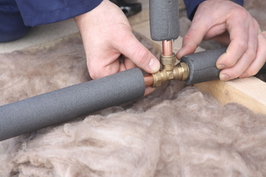
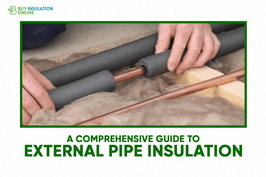
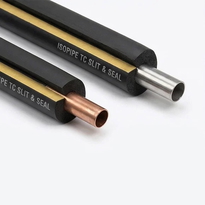
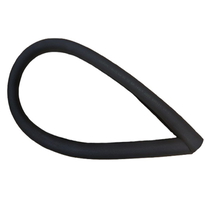
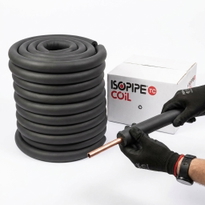
When selecting foam pipe sleeves, choose ones that fit snugly around the pipe. Position the sleeve over the pipe with the slit aligned along its length. Seal the sleeve securely using adhesive or weather-resistant tape for a durable finish.
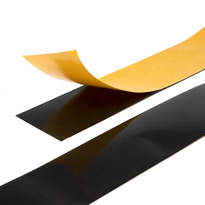
For wrap-around insulation, spiral wrapping is recommended. Wrap the insulation with at least a ½-inch (about 12 mm) overlap, ensuring continuous coverage. Secure the insulation at one- to two-metre intervals using appropriate fasteners or clips to prevent shifting.
Finally, seal all joints, gaps, and penetrations using suitable caulk or foam. This step creates a continuous heat barrier, preventing drafts and moisture ingress that could reduce insulation performance. Proper sealing is especially important in outdoor environments, where exposure to weather can impact insulation durability.
Environmental and Safety Benefits of Outdoor Pipe Insulation
Insulating outdoor pipes provides notable environmental and safety benefits by addressing critical issues related to energy efficiency, infrastructure durability, and personal security.
Effective insulation minimises heat loss, which reduces the amount of energy needed for heating systems. This results in lower greenhouse gas emissions and helps to decrease the building’s overall carbon footprint. Additionally, insulation prevents leaks and condensation, conserving precious water resources and contributing to sustainable usage.
Eco-friendly insulation materials further help to lessen the environmental impacts over time, supporting broader ecological goals. Proper installation with reflective layers can also improve thermal efficiency by reflecting radiant heat, further conserving energy and reducing emissions.
From a safety perspective, insulating pipes shields them from extreme temperatures. This protection prevents freezing in cold weather and overheating during warmer periods, both of which could lead to damage, leaks, or costly repairs. Insulation also combats corrosion, helping maintain the structural integrity of the pipework over its lifespan. Moreover, vapour control layers act as a barrier against pests and debris, preventing potential blockages or damage caused by external elements.
Moreover, insulation reduces safety hazards for individuals by preventing accidental burns caused by hot pipes. It also decreases the likelihood of pipe bursts, which can cause property damage and pose risks to personal safety, creating a safer environment for both residents and property.
Conclusion
Outdoor waste pipe insulation plays a vital role in maintaining the efficiency, durability, and safety of drainage systems exposed to the elements. By selecting appropriate materials and ensuring correct installation, it is possible to reduce heat loss, prevent pipe freezing, and extend the lifespan of the system.
Choosing insulation with suitable thermal properties, such as low heat conductivity, helps minimise heat loss from waste pipes. Reliable and durable materials, designed to withstand UK weather conditions, safeguard against moisture ingress, UV exposure, and physical damage. Environmentally safe options are also important, ensuring the insulation’s impact on the environment is minimised over its lifespan.
Applying insulation correctly, following the manufacturer’s instructions, maximises its effectiveness. Proper fitting ensures there are no gaps or compression points that could reduce performance or allow moisture ingress. Good installation practices can prevent condensation issues, thereby reducing corrosion and maintaining the integrity of the pipework.
Overall, well-chosen and correctly fitted outdoor waste pipe insulation enhances system reliability, improves energy efficiency by reducing heat loss, and supports environmental sustainability. Its proper use is essential for effective waste management and long-term operational performance in UK conditions.
Featured Articles on Outdoor waste pipe insulation