Outside Waste Pipe Insulation
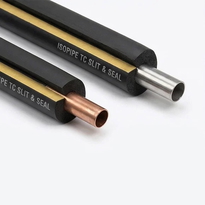
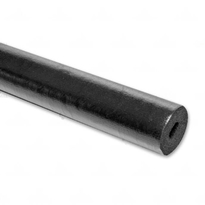
Effective outside waste pipe insulation in the UK typically employs materials such as polyethylene foam, polyurethane foam, elastomeric rubber, or fiberglass, each providing resistance to moisture, UV rays, and temperature variations. Proper installation involves taking accurate measurements, thoroughly cleaning the surface of the pipe, and securely wrapping the insulation to prevent gaps or water ingress. This careful approach maximizes the durability and thermal efficiency of the insulation. Selecting weather-resistant, fire-retardant, and environmentally friendly options enhances both long-term performance and safety. Considering these factors will help you develop comprehensive strategies for optimal outdoor pipe insulation, ensuring your system remains effective and reliable.
Common Materials for Outside Waste Pipe Insulation
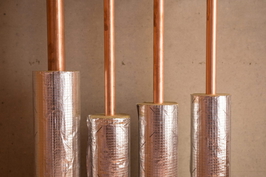
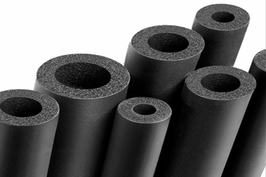
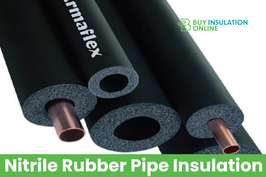
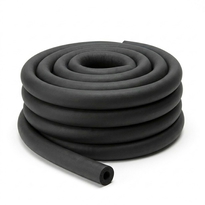
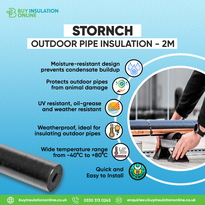
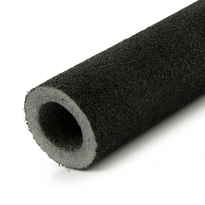
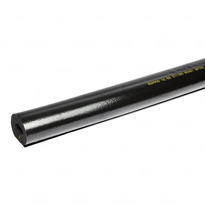
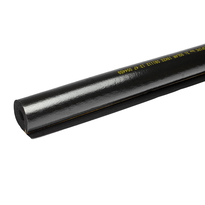
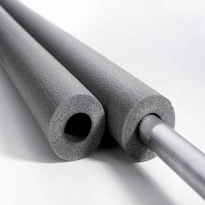
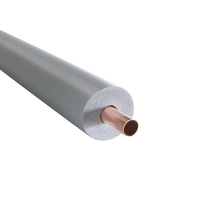
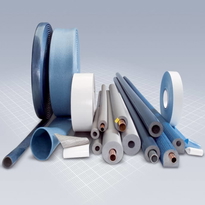
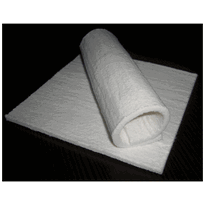
When selecting materials for outside waste pipe insulation, it's essential to understand the characteristics and suitability of various options to ensure effective protection and insulation performance. Polyethylene foam insulation is highly flexible, lightweight, and resistant to water and abrasion, making it well-suited for outdoor use, particularly in residential areas such as basements or crawl spaces. Its durability helps protect pipes from environmental damage while maintaining flexibility for easy installation. Polyurethane foam offers high thermal resistance, maintaining its shape despite temperature fluctuations. It's resistant to moisture, making it an excellent choice for refrigerant and chilled water pipes exposed to outdoor conditions. Its insulating properties help reduce heat transfer and improve energy efficiency. Elastomeric rubber provides outstanding flexibility, which is beneficial for accommodating pipe movement and vibrations. Its durability and resistance to ultraviolet (UV) radiation make it suitable for outdoor environments where exposure to sunlight and weather elements occurs. Fiberglass insulation is capable of resisting high temperatures and effectively reduces heat loss. However, when used outdoors, fiberglass requires protective coatings or cladding to prevent moisture ingress and damage from environmental exposure. Proper installation methods and protective coatings are crucial to maximize the lifespan and performance of fiberglass insulation outdoors, especially in the UK climate, where exposure to rain and humidity is common. Additionally, selecting materials with UV resistance and weatherproof properties can significantly extend the lifespan and effectiveness of outdoor pipe insulation. Each of these materials possesses specific properties that address different needs for outside waste pipe insulation, ensuring optimal performance and longevity in the UK climate. Proper selection and installation are key to maintaining efficient and durable pipe protection against the elements.
Factors Influencing Insulation Selection in Outdoor Environments
Selecting the appropriate insulation for outdoor waste pipes requires careful consideration of multiple factors that impact overall performance and durability. Thermal performance remains a key priority; insulation must effectively retain or prevent heat transfer depending on seasonal needs.
In colder climates, materials with higher K-values are preferred to minimize heat loss and reduce the risk of freezing. Additionally, the insulation’s resistance to exposure elements is critical to maintaining its effectiveness over time. This includes its ability to withstand moisture ingress, ultraviolet (UV) radiation, chemical attack, and mechanical wear caused by outdoor conditions.
Selecting materials with robust protective qualities helps ensure longevity and reliable operation. Mechanical and physical properties such as flexibility, impact resistance, and ease of installation are also important. These features influence the durability of the insulation and simplify maintenance in outdoor settings, saving time and effort during installation or repairs.
Furthermore, regional factors such as ambient temperature fluctuations, exposure to sunlight, humidity levels, and proximity to coastal environments must be taken into account. These elements can accelerate material degradation or influence insulation performance. Environmental conditions like saltwater exposure can cause corrosion if not properly protected, emphasizing the importance of choosing suitable insulation materials.
Finally, budget constraints and the specific purpose of the application play a role in the choice of insulation. Balancing cost, performance, and long-term durability ensures that the selected material provides an effective and sustainable solution suited to the outdoor environment.
Proper Installation Techniques for Exterior Waste Pipes
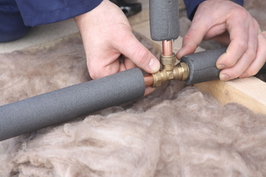
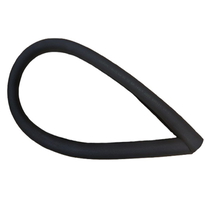
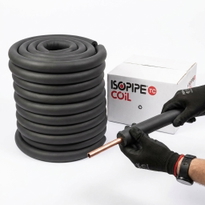
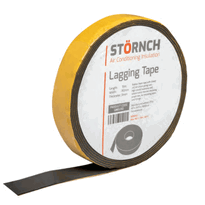
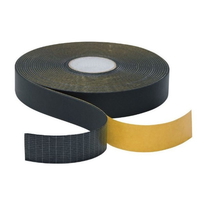
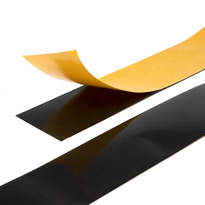
Effective installation of exterior waste pipe insulation begins with precise preparation and measurement to ensure a proper fit and optimal performance. Start by accurately measuring both the length and diameter of the pipe, allowing you to cut the insulation materials precisely and avoid gaps that could compromise insulation efficiency. Accurate measurements are essential to prevent heat loss and ensure effective insulation. Next, thoroughly clean the surface of the pipe, removing any dirt, dust, and moisture to improve adhesion and ensure the insulation stays securely in place. It's important to select insulation suitable for outdoor conditions, with a focus on ease of cutting and fitting—especially around joints and bends. When installing, carefully open pre-slit foam insulation and wrap it tightly around the pipe without overlaps. For materials such as mineral wool or fiberglass, wrap evenly and securely, ensuring you don't apply excessive pressure that could damage the material. Use mechanical fasteners such as ties or specialized tape every 1 to 2 meters, ensuring the insulation is snug and secure without compressing it. Finally, seal all edges and penetrations thoroughly to prevent leaks and water ingress, maintaining the integrity of the insulation and protecting the pipe from the elements.
Benefits of Using Durable and Weather-Resistant Insulation Materials
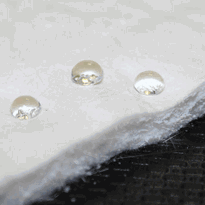
Durability and weather resistance are essential qualities for insulation materials used on exterior waste pipes, as outdoor environments expose these installations to a variety of environmental stressors. Materials such as EPDM rubber resist UV radiation and adverse weather conditions, ensuring long-term performance. Fiberglass insulation properly installed can withstand outdoor conditions, but it is prone to moisture absorption if not properly sealed. Mineral wool insulation withstands extreme heat, fire, and moisture, maintaining its insulating properties under harsh circumstances. Synthetic rubber-based insulations offer fire-rated protection and retain stable thermal resistance over time, which reduces the need for frequent replacements. These resilient insulations also prevent moisture infiltration, a critical factor in preserving both insulating performance and pipe integrity. Their fire-resistant properties and resistance to mechanical impacts enhance stability, even when subjected to vibrations or physical contact.
By choosing weather-resistant insulation materials, maintenance requirements are minimized, the lifespan of the installation is extended, and consistent thermal efficiency is guaranteed. Using durable and weather-resistant insulation provides a practical solution for outdoor waste pipe protection in the diverse environmental conditions found across the UK.
Environmental and Safety Considerations for Outdoor Pipe Insulation
Environmental and safety considerations are of utmost importance when selecting and applying outdoor pipe insulation in the UK. These factors directly influence not only the durability and performance of the insulation but also impact the surrounding environment and human well-being. To minimize environmental harm, it's essential to opt for eco-friendly materials that incorporate recycled content. Using such materials can help reduce the embodied carbon footprint of the insulation by up to 25%. Additionally, ensuring the proper disposal or recycling of packaging waste further supports sustainable practices. Addressing moisture resistance is crucial to prevent water absorption, which can lead to pipe corrosion and deterioration over time. Resistant materials extend the lifespan of pipe systems and help maintain their thermal performance by reducing heat loss and preventing damage caused by moisture ingress. Safety measures should include selecting insulation with fire-retardant properties to mitigate fire risks. Fire-resistant materials also help ensure compliance with building regulations, enhancing overall safety and resilience of outdoor pipe systems. Moreover, choosing materials that are inherently safe and resistant to environmental hazards promotes long-term safety and system integrity.
Conclusion
Selecting appropriate insulation materials for outside waste pipes involves assessing environmental conditions, durability requirements, and safety standards. Proper installation techniques ensure effective protection against temperature loss and environmental damage, while choosing weather-resistant materials extends lifespan and reduces maintenance. Considering environmental and safety factors further improves the suitability of insulation solutions. Implementing these best practices results in reliable, long-term pipe performance, minimising risks of leaks or damage, and maintaining optimal system efficiency in outdoor settings.
Featured Articles on Outside waste pipe insulation