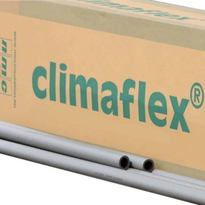
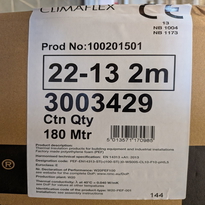
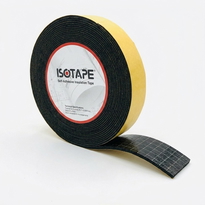
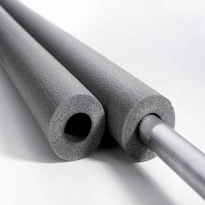
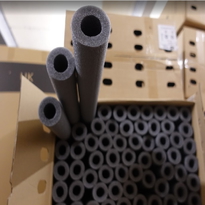
Pipe insulation for outdoor use
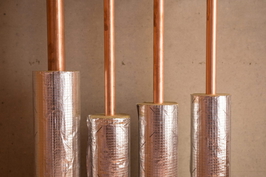
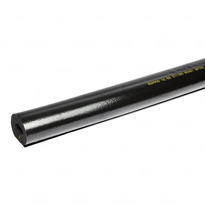
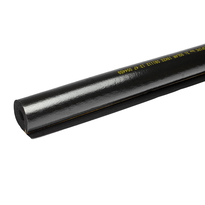
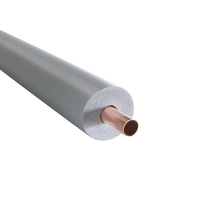
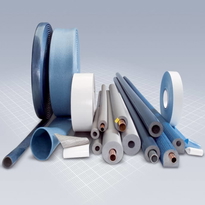
When selecting insulation for outdoor pipes, it is important to choose materials that can withstand the elements whilst providing effective thermal protection. Suitable materials include fiberglass, mineral wool, polyurethane foam, foam glass, polyethylene, and rubber. These materials are recognized for their durability, thermal resistance, and resilience against environmental factors such as UV exposure, moisture, and weathering.
To optimize heat retention and prevent condensation, selecting the appropriate insulation thickness and K-value (thermal conductivity) is essential. Thicker insulation may be necessary for high-temperature pipes or particularly harsh conditions to ensure effective thermal performance and protection.
Proper installation techniques are critical in enhancing the longevity and effectiveness of outdoor pipe insulation. This includes ensuring overlaps are adequately sealed, fastenings are secure, and any penetrations are properly sealed to prevent moisture ingress. Correct installation helps maintain insulation integrity, reducing the risk of damage and thermal loss over time.
Continued attention to best practices in material selection and installation ensures your outdoor pipe insulation remains effective, durable, and capable of withstanding environmental challenges.
Types of Pipe Insulation Materials Suitable for Outdoor Environments
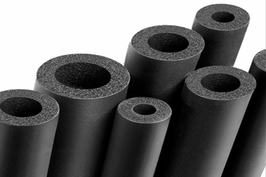
Selecting the appropriate outdoor pipe insulation materials requires careful consideration of environmental conditions, durability, thermal performance, and resistance to moisture, UV exposure, and temperature extremes. Consideration of weathering factors is essential to ensure longevity and effectiveness of the insulation over time. Fiberglass insulation is reliable, providing effective thermal control and sound absorption, but it needs protective jacketing to resist moisture and UV rays. Mineral wool, or rockwool, withstands extreme temperatures, offers excellent fire resistance, and resists mold, making it ideal for harsh outdoor environments. Polyurethane and polyisocyanurate foams deliver high thermal resistance with excellent moisture resistance, suitable for high-temperature applications. Foam glass, made from expanded crushed glass, resists moisture, maintains integrity at low temperatures, and is non-combustible, making it suitable for cold storage. Polyethylene and rubber insulations are flexible, tough, and resistant to weathering, UV damage, and physical impact, ensuring reliable outdoor performance. Incorporating environmentally resistant materials can further enhance durability and reduce maintenance requirements in outdoor settings.
How Insulation Thickness and R-Values Impact Outdoor Pipe Performance
Insulation thickness and thermal resistance (U-value) are essential factors in determining the thermal performance of outdoor pipes, as they directly affect the rate of heat transfer between the pipe and its environment.
Increasing the thickness of insulation enhances the U-value, which improves resistance to heat flow. This, in turn, reduces heat loss in cold conditions and limits heat gain in warmer settings.
The appropriate insulation thickness varies depending on factors such as pipe size, operating temperature, and environmental exposure. For instance, pipes operating at temperatures above 350°C may require insulation thicknesses of up to 125 mm, while pipes maintained below ambient temperatures typically need approximately 25 mm of insulation.
Choosing the correct combination of thickness and U-value is vital for maintaining fluid temperature stability, preventing condensation or freezing, and maximising energy efficiency.
This is particularly important in outdoor environments subject to harsh weather conditions, where thermal performance directly influences system reliability and operational costs.
Durability Factors and Environmental Resistance Considerations
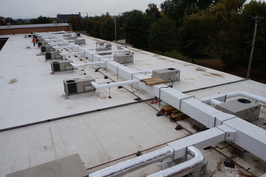
Environmental exposure poses considerable challenges to the durability of outdoor pipe insulation, demanding materials capable of enduring UV radiation, moisture, temperature variations, and mechanical impacts over long periods.
UV-resistant materials such as rubber, EPDM, and PVC are crucial, as they retain their structural integrity despite prolonged exposure to sunlight.
Incorporating moisture-resistant barriers, including waterproof coatings and vapour retarders, can prevent water ingress, which may lead to corrosion and a decline in thermal efficiency. Proper installation practices also play a vital role in maintaining barrier effectiveness.
Selecting insulation materials with high resistance to abrasion and chemicals ensures extended service life in harsh environments, where wind-blown particles, pollutants, and chemical agents are common.
Additionally, the ability to withstand temperature fluctuations, particularly in freezing conditions, is vital; materials must resist cracking or deterioration caused by thermal cycling and support overall building integrity.
Best Practices for Installing Exterior Pipe Insulation
Proper installation of exterior pipe insulation requires careful planning and precise execution to ensure effective thermal performance and durability. It begins with the identification of all exposed outdoor pipes, particularly those in unheated areas, and accurate measurement to select correctly sized insulation materials.
During the assessment, it's essential to consider local climate conditions, potential need for heat tracing, and pipe accessibility to ensure challenging sections such as elbows or tight corners can be effectively wrapped. Using the correct insulation materials, like fiberglass, can also enhance *fire resistance* and overall durability against weather exposure.
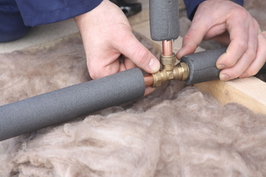
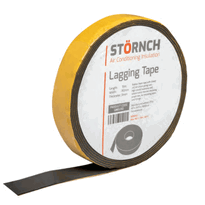
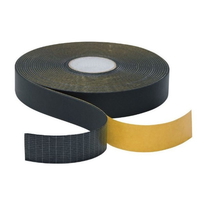
When installing, wrap the insulation in a spiral manner with a minimum of 12.7 millimeters (½ inch) overlap, securing every 610 to 1,220 millimeters (2 to 4 feet) using appropriate fasteners such as ties or clamps. Proper fastening prevents slipping or gaps, which compromise insulation efficiency.
For joints and elbows, add extra layers or custom-fit pieces to ensure a snug fit. It’s also beneficial to consider the environmental aspects, such as selecting moisture-resistant facing or protective cladding, to prolong the lifespan of the insulation outdoors.
Finally, seal all penetrations through walls or other structures with suitable materials such as foam or weatherproof caulking, and ensure the insulation provides effective shielding against exposure to rain, sun, and ice.
Visualize each pipe being carefully wrapped in overlapping layers, with clips or ties every few meters to maintain tension and alignment.
Picture fitting extra insulation around elbows and tricky corners with precision to avoid gaps.
Envision sealing all penetrations effectively to prevent moisture ingress, thereby extending the lifespan of the insulation.
Conclusion
Selecting appropriate outdoor pipe insulation requires careful consideration of material durability, environmental resistance, and proper installation techniques. Materials such as closed-cell foam or rubber provide excellent protection against moisture, temperature fluctuations, and UV exposure, ensuring long-lasting performance. Ensuring sufficient insulation thickness and appropriate thermal conductivity (measured in K-values) will optimise energy efficiency and minimise heat loss. Proper installation is essential; this includes sealing all joints and securing the insulation firmly in place to prevent exposure to the elements and potential damage. Following these best practices will extend the lifespan of your pipes, prevent freezing incidents, and maintain reliable service in outdoor environments.
Featured Articles on Pipe insulation for outdoor use