

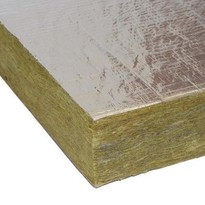
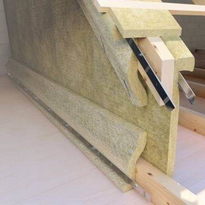
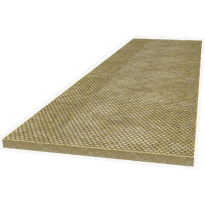
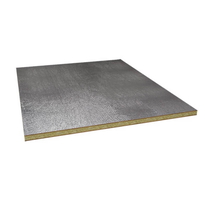
Rockwool Flat Roof Insulation
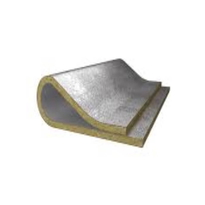
Rockwool flat roof insulation provides exceptional thermal efficiency, effectively minimising heat transfer and reducing energy expenses. Its non-combustible nature ensures high fire resistance, significantly slowing the spread of flames and enhancing safety for building occupants.
In addition to its fire-resistant properties, Rockwool insulation boasts impressive acoustic performance, efficiently dampening noise and creating a more comfortable indoor environment. Its robust mechanical strength guarantees long-lasting durability, making it a reliable choice for flat roofing applications.
Crafted from natural basalt and recycled materials, Rockwool insulation aligns with sustainability initiatives and environmental objectives. To achieve the best results, it is essential to ensure proper installation, which will optimise the performance of this versatile insulation across various roofing systems.
Exploring the benefits of Rockwool flat roof insulation reveals how it can effectively meet the demands of modern building standards, providing both comfort and safety while promoting eco-friendly practices.
Benefits of Thermal Efficiency in Flat Roofs
Thermal efficiency in flat roofs provides numerous significant advantages that enhance building performance and occupant comfort.
Rockwool insulation plays a crucial role in minimising heat transfer, ensuring that indoor spaces remain cooler during the summer and warmer throughout the winter. This stability in internal temperatures contributes to a more comfortable living and working environment.
The unique fibre structure and thermal mass of Rockwool create effective barriers against heat flow. By reducing heat gain, indoor temperatures experience less fluctuation, which subsequently decreases the strain on heating, ventilation, and air conditioning (HVAC) systems. This can significantly improve indoor thermal comfort, especially in hot and humid climates.
This not only improves energy efficiency but also results in lower energy bills for occupants.
Moreover, these enhancements lead to a more sustainable building, benefiting both the individuals inside and the environment at large.
Fire Resistance and Safety Features of Rockwool Boards
Rockwool boards are renowned not only for their thermal efficiency but also for their remarkable fire resistance and enhanced safety in flat roof constructions. Classified as non-combustible, these boards resist ignition and maintain their integrity even at high temperatures. They achieve the highest Euro Fire Classification of A1, underscoring their exceptional fire-resistant properties.
One of the key benefits of Rockwool insulation is its ability to act as a barrier, effectively slowing the spread of fire. This crucial feature provides occupants with valuable extra time to evacuate safely.
Furthermore, Rockwool boards don't produce flaming debris or droplets that could exacerbate fire situations. During a fire, they generate minimal smoke and retain their structural stability, even when exposed to extreme heat.
These outstanding characteristics ensure that Rockwool insulation not only supports safety but also upholds the structural integrity of flat roof systems. As a result, it has become a trusted choice for those seeking fire-resistant solutions in building projects across the UK.
Acoustic Performance and Noise Reduction Capabilities
Flat roof systems frequently encounter noise challenges from external sources such as rainfall or traffic, making effective sound insulation vital for occupant comfort.
Rockwool flat roof insulation, crafted from fibrous basalt stone wool, provides exceptional sound absorption due to its air-filled cavities and fibrous structure. With a high Noise Reduction Coefficient, it's particularly effective across low to mid frequencies, significantly diminishing sound reverberation within buildings.
In addition to reducing airborne noise, Rockwool also minimises impact noise and the sound of rain, especially when used in conjunction with acoustic membranes. Tested systems demonstrate impressive sound reduction capabilities, ensuring that external noises are less intrusive.
Being non-combustible and lightweight, Rockwool enhances acoustic quality while prioritising safety, making it an ideal solution for creating peaceful and comfortable indoor environments. Its durability and resistance to moisture further ensure long-term performance and reliability in various weather conditions.
Mechanical Strength and Durability for Long-Term Use
The mechanical strength and durability of flat roof insulation are essential for ensuring long-term performance and safety. ROCKWOOL boards exhibit high resistance to compression, effectively supporting significant loads without deformation. Their superior compression strength prevents local crushing, maintaining a flat surface that facilitates proper water drainage.
These boards are designed with excellent dimensional stability, resisting shrinkage, warping, and bending due to temperature fluctuations. This characteristic ensures sustained insulation performance over time. Additionally, their hydrophobic properties prevent moisture absorption, safeguarding the integrity of the fibres.
ROCKWOOL boards are also built to withstand long-term wear and mechanical fatigue, as well as environmental factors such as UV exposure and adverse weather conditions. This resilience helps maintain their fire-resistant qualities, crucial for the safety of roofing systems.
Environmental Advantages and Sustainability of Rockwool Insulation
Environmental benefits and sustainability are significant advantages of rockwool insulation that contribute to greener building practices. Composed primarily of natural basalt rock and recycled slag from steel production, it utilises abundant, renewable raw materials.
Its complete recyclability bolsters a circular economy, allowing used rockwool to be reprocessed without compromising its insulating properties. The manufacturing process is energy-efficient and reduces waste, thereby minimising its environmental impact.
Rockwool effectively lowers energy consumption in buildings by significantly reducing heat transfer, which in turn decreases reliance on fossil fuels and curtails greenhouse gas emissions. Its impressive thermal resistance, attributed to its dense fibre structure, helps maintain stable indoor temperatures and supports sustainability objectives, such as achieving net-zero emissions. This thermally efficient material also contributes to reducing the carbon footprint of construction projects.
Furthermore, rockwool is free from harmful volatile organic compounds (VOCs) or toxic gases, fostering healthier indoor environments. This makes rockwool insulation not only a practical choice for energy efficiency but also a responsible selection for those prioritising environmental health and sustainability in their building projects.
Compatibility With Various Roofing Systems and Structures
Rockwool flat roof insulation offers excellent compatibility with a range of roofing systems and structures, making it a versatile choice for numerous building projects.
It performs exceptionally well with mechanically fixed single-ply membranes, such as EPDM and other synthetic types, eliminating the need for a separation layer. Its robust nature supports membrane systems on metal decks, ideal for both industrial and commercial roofs.
The insulation also works seamlessly with bonded single-ply membranes, demonstrating its adaptability across various waterproofing methods. Rockwool boards are suitable for installation beneath bitumen and liquid-applied membranes, promoting breathability and effective moisture management.
They're compatible with both metal and concrete decks, providing stability, fire safety, and sound absorption. Additionally, Rockwool insulation can withstand various weather conditions, ensuring consistent performance over time.
Moreover, Rockwool insulation excels in green roof systems, adeptly handling plant loads and moisture exposure. This makes it an invaluable option for a wide array of roofing requirements, ensuring durability and performance in diverse applications.
Installation Considerations for Optimal Insulation Performance
Proper installation practices are essential to ensure that insulation performs effectively and endures over time.
Firstly, the roof surface must be clean, dry, and free from debris or projections to promote an even application of insulation. It's crucial to inspect the substrate to avoid loose materials that could impair adhesion or stability. Additionally, confirm that the structure can support the added weight without compromising integrity.
Secondly, insulation boards should be laid tightly, starting from the lower end of the roof, with a perpendicular placement to the deck profiles for enhanced stability. Ensure that the high-density fleece-faced side is facing upwards, and avoid forcing boards into position to prevent the creation of gaps.
Thirdly, stagger the joints adequately and employ fasteners or adhesives as specified to secure the insulation. It's also important to protect the insulation from adverse weather conditions during installation and to complete the roof membrane on the same day to guarantee optimal performance.
These considerations will help achieve the best results from your insulation system, providing comfort and energy efficiency for years to come.
Conclusion
Rockwool flat roof insulation provides numerous advantages, including enhanced energy efficiency, fire safety, acoustic performance, and durability. Its environmental benefits, particularly its sustainability, render it a sensible choice for long-term applications.
Compatible with various roofing systems, Rockwool insulation is straightforward to install when proper precautions are observed. Overall, it offers a dependable and effective insulation solution that enhances roof safety and performance while promoting eco-friendly building practices.
Choosing Rockwool not only contributes to improved structural integrity but also aligns with the growing emphasis on sustainable construction in the UK.