
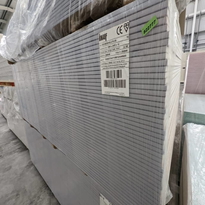
Selco Soundproof Plasterboard
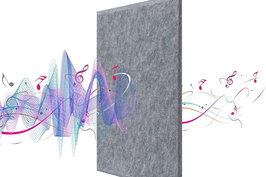
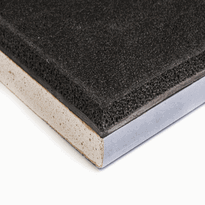
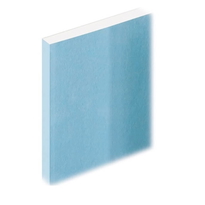
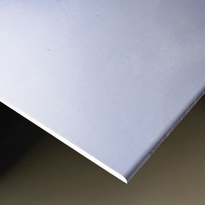
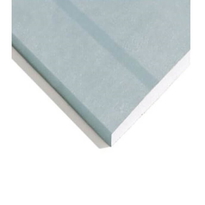
Selco Soundproof Plasterboard is a high-density building material engineered to minimise airborne and impact noise transmission across various construction projects in the UK. It consistently meets or surpasses the requirements outlined in Part E of the Building Regulations. The plasterboard features a gypsum core that is combined with recycled paper pulp, offering both enhanced durability and a commitment to environmental sustainability.
This plasterboard is suitable for installation on walls and ceilings within stud partitions, providing effective sound insulation. Proper fixing techniques should be followed to ensure optimal performance, including securely fastening the boards and sealing all joints thoroughly. Additionally, incorporating resilient mounts or applying supplementary layers can further enhance soundproofing capabilities.
Further sections will detail specific installation practices, optimal fixing methods, sealing procedures, and compliance standards necessary for achieving the specified acoustic performance in UK buildings.
Key Features and Acoustic Performance of Selco Soundproof Plasterboard
The key features and acoustic performance characteristics of Selco Soundproof Plasterboard demonstrate its effectiveness as a sound insulation material suitable for various construction applications across the UK. It offers sound insulation performance of up to 49 dB, providing strong noise reduction through a high-density, durable composition. The production process involves gypsum mixed with additives like recycled paper pulp, which helps maintain environmental sustainability without compromising acoustic performance. Designed to meet and exceed Part E Building Regulations, it ensures compliance with UK standards for soundproofing. The plasterboard achieves a high Sound Transmission Class (STC) rating, effectively blocking airborne noises such as speech, television, and music, as well as impact sounds like footsteps. Testing across frequencies from 125 Hz to 4000 Hz confirms its capacity to reduce environmental noises across a broad spectrum. Made from dense gypsum and reinforced with additional materials, Selco Soundproof Plasterboard enhances acoustic isolation while maintaining physical durability. Its suitability for both residential and commercial buildings makes it a reliable choice for those seeking effective soundproofing solutions.
Suitable Applications and Installation Techniques
Selco Soundproof Plasterboard is highly versatile and suitable for a wide range of applications where effective noise control is essential. It's ideal for use in stud partitions, helping to create sound barriers between rooms in both residential and commercial buildings. Additionally, it can be employed as lining systems on walls and ceilings to enhance acoustics in offices, schools, healthcare facilities, and other environments requiring sound attenuation. Made from materials designed to absorb sound, Selco Soundproof Plasterboard offers an effective solution for reducing noise transmission.
For environments requiring noise reduction and increased privacy—such as hotels, conference rooms, home theatres, and recording studios—Selco Soundproof Plasterboard offers an effective solution. Proper installation involves fixing the boards securely to metal or timber studs, ensuring they're aligned correctly. Staggering joint locations helps prevent direct sound paths, enhancing overall sound insulation. Sealing all joints with acoustic sealant is essential to optimise performance. To further improve soundproofing, the use of additional layers or resilient mounts can be considered, providing enhanced noise reduction across various settings.
Compliance With Building Regulations and Industry Standards
Achieving compliance with UK Part E Building Regulations requires that soundproof plasterboards meet specific performance standards related to airborne sound insulation, thereby ensuring effective noise reduction between adjacent spaces. Selco’s Siniat dB Board exceeds these requirements by providing up to 49 dB sound insulation. To demonstrate compliance, products must undergo rigorous testing and obtain certifications aligned with standards such as BS EN 520 and BS 1230 Type 1, confirming their strength, durability, and acoustic performance. Many acoustic plasterboards are also certified for fire resistance, contributing to overall safety. In addition to acoustic testing, these products often carry ISO 9001 and ISO 14001 certifications, reflecting consistent quality management and environmentally conscious manufacturing processes. These certifications help verify the product’s quality and safety, making them suitable for demanding construction projects. Meeting all these standards ensures the plasterboard’s suitability for both residential and commercial applications, in line with UK building regulations.
Integrating Acoustic Boards with Other Building Materials
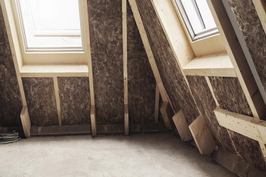
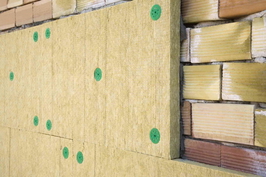
Integrating acoustic plasterboards into building assemblies requires careful consideration of how these panels interact with other materials to optimise soundproofing performance. Proper integration enhances decoupling, sealing, and overall acoustic effectiveness.
Key methods include:
Embedding resilient bars within stud partitions: This technique reduces vibration transmission through the wall assembly, thereby improving sound insulation.
Layering multiple plasterboard sheets with materials such as mass-loaded vinyl: These combinations increase the mass of the partition, helping to absorb and block sound transmission.
Sealing joints and gaps with appropriate products: Using drywall compound, joint tape, and acoustic caulk ensures airtightness, preventing sound leaks at crucial points.
Compatibility between materials is essential. It involves selecting dense gypsum cores, employing resilient mounting systems, and incorporating additional soundproofing materials where appropriate.
Conclusion
Selco soundproof plasterboard provides reliable acoustic performance and versatile application options, fully compliant with relevant UK building standards. Proper installation techniques, including careful integration with other construction materials, are essential to achieve optimal sound insulation results. Its features enable effective noise reduction across various settings, making it a practical choice for both residential and commercial projects. By adhering to manufacturer guidelines and industry regulations, users can establish durable and compliant soundproofing solutions that enhance overall acoustic quality and the structural integrity of buildings.