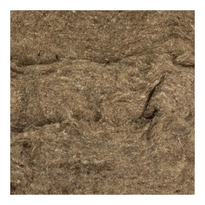
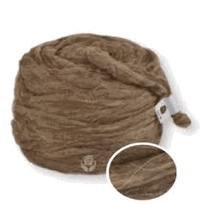
Sheep Wool Insulation for Van
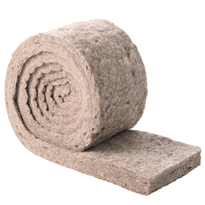
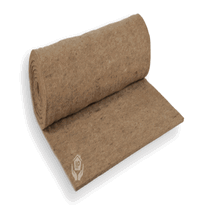
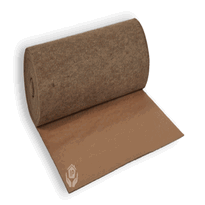
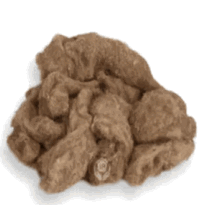
Sheep wool insulation is an effective and sustainable choice for van insulation in the UK, owing to its natural breathability, moisture regulation, and excellent thermal properties. It absorbs and releases up to 33% of its weight in moisture without any loss of performance, helping to prevent condensation buildup and reducing the risk of mold. Additionally, sheep wool acts as a natural filter for formaldehyde and volatile organic compounds (VOCs), thereby improving indoor air quality within your van.
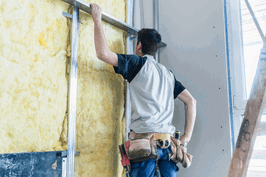
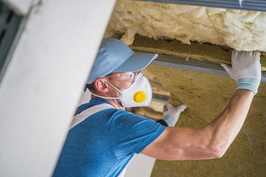
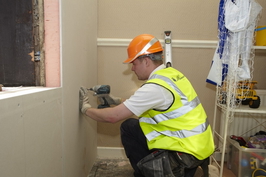
The installation process involves careful surface preparation, precise measuring to ensure a snug fit, and secure fitting of the wool insulation panels or batts. Proper installation is essential for achieving optimal thermal efficiency and longevity of the insulation.
Continuing through this guide will reveal detailed strategies for the ideal application of sheep wool insulation and methods for maintaining its eco-friendly performance throughout its lifespan.
Benefits of Sheep Wool Insulation in Van Living
Sheep wool insulation offers several practical advantages for van living, primarily due to its excellent moisture management, thermal regulation, and health benefits. It absorbs and releases up to 33% of its own weight in moisture without compromising insulation performance, helping to prevent condensation build-up that can lead to mold or rust. Capillary action effectively moves moisture away from the interior surfaces, allowing natural drying and maintaining stable thermal properties even in high humidity conditions, with only about 5% variation. This is in contrast to other materials, which may experience 15-20% variation. Additionally, sheep wool insulation eliminates the need for vapor barriers, reducing the risk of trapped moisture and associated issues. Its low emissions and natural filtration properties help improve indoor air quality by absorbing formaldehyde and volatile organic compounds (VOCs), creating a healthier environment. Made from renewable keratin, which supports sustainable living practices and reduces environmental impact, further enhancing its appeal for eco-conscious van dwellers. This unique combination of moisture control and air purification supports a comfortable, safe, and inviting space for those seeking a sense of community and connection through van life.
Installing Sheep Wool Insulation: Tips and Considerations
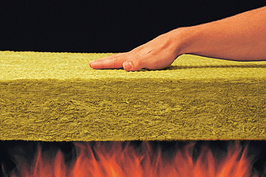
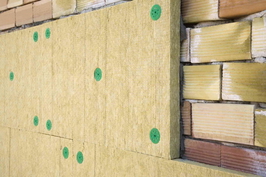
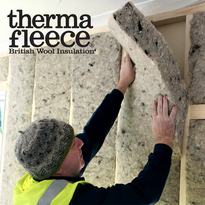
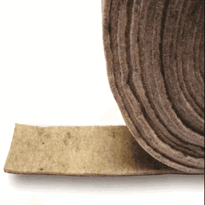
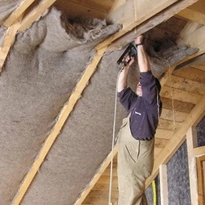
Proper installation of sheep wool insulation requires careful preparation and precise execution to ensure maximum effectiveness and safety. Sheep wool is naturally fire resistant, which adds a layer of safety to its use. First, the van’s interior surfaces must be thoroughly cleaned and cleared to promote proper adhesion and fit. Accurate measurements of all areas—walls, floors, and ceilings—are essential to cut insulation materials precisely, preventing gaps that reduce thermal performance. Framing the van with wooden support strips creates a stable structure for fixing insulation, while prior planning for soundproofing enhances overall comfort. When installing, cut batts or boards with sharp tools to fit each cavity tightly, avoiding compression, which diminishes insulating properties. Secure the insulation with appropriate fasteners or adhesive, ensuring firm contact with framing or surfaces. This methodical approach promotes an efficient, durable, and safe insulation system aligned with sustainable living goals, especially when considering the acoustic performance of the insulation materials.
Maintaining Comfort and Eco-Friendliness With Wool
Maintaining comfort and eco-friendliness in a van insulated with sheep wool requires an understanding of its natural thermal and moisture-regulating properties, which help create a stable indoor climate throughout the year. Sheep wool naturally moderates temperature by absorbing excess heat and releasing it when temperatures drop, ensuring comfort in all seasons. Sheep wool naturally provides insulation, supporting sheep survival in cold winters. Its capacity to absorb and release moisture up to 33% of its weight prevents humidity build-up, which could impair insulation performance and lead to dampness. Wool’s breathability also inhibits condensation and mould growth, supporting a healthy environment inside the van. Furthermore, as a renewable and biodegradable material, sheep wool offers a sustainable environmental benefit alternative to synthetic insulations, involving minimal chemical processing. This combination of properties promotes an energy-efficient and environmentally responsible approach to van insulation, fostering long-term comfort and ecological integrity.
Conclusion
Sheep wool insulation provides an effective and environmentally friendly solution for van insulation, thanks to its excellent thermal, acoustic, and humidity-regulating properties. Proper installation involves accurate measurement, careful layering, and secure fitting to ensure optimal performance and safety.
To achieve the best results, it is essential to measure carefully and cut the wool to fit neatly between the van’s panels. The insulation should be installed in layers, ensuring each layer is properly aligned and secured to prevent movement or gaps. Using appropriate fixings or breathable barriers can help maintain correct positioning and prolong the insulation’s lifespan.
Regular maintenance is important to keep the insulation in good condition. Periodic checks should be made for compression, wear, or any signs of damage. It’s advisable to replace any affected sections promptly to maintain effective insulation performance.
By understanding these installation and maintenance practices, users can enhance their van’s comfort and sustainability while ensuring the durability and functionality of their sheep wool insulation over time.