Sheep Wool Insulation Van
Sheep wool insulation presents a sustainable and highly effective solution for van insulation, thanks to its natural properties. It regulates moisture by absorbing and releasing water vapor, thereby reducing the risk of condensation and mold, while maintaining stable internal temperatures through exceptional thermal insulation. Additionally, it enhances indoor air quality by filtering volatile organic compounds (VOCs) and trapping gases without off-gassing harmful chemicals. Its ease of installation and durability make it suitable for various van layouts, offering long-term performance for eco-conscious builders. Further details highlight how its unique qualities support superior van environments, creating a comfortable and healthy living space.
Natural Sustainability and Eco-Friendly Advantages
Sheep’s wool is a renewable resource because sheep are shorn at least once or twice a year, allowing for a continuous harvest without depleting the resource. Wool naturally regrows on sheep, ensuring a steady supply that minimizes environmental impact. Wool's natural regrowth ability means that harvesting can be done sustainably year after year without harming the sheep or depleting the resource. Additionally, wool's renewable sourcing aligns with environmentally friendly practices, making it a sustainable choice. As a biodegradable fiber, it can be composted or decomposed at the end of its lifecycle, returning nutrients to the soil and reducing waste in landfill sites. Wool production also requires significantly less energy—less than 15%—compared to glass fibre insulation. This lower energy consumption results in reduced carbon emissions and decreased reliance on fossil fuels. The ecological footprint of wool remains small because its harvesting aligns with natural sheep husbandry practices, avoiding the overexploitation often associated with synthetic materials.
Effective Moisture Regulation in Van Environments
Effective moisture regulation within van environments relies on a combination of natural material properties and ventilation strategies that work synergistically to maintain stable humidity levels. Sheep wool insulation’s high surface area allows water molecules to chemically adsorb onto fibers, trapping moisture during periods of high humidity without pooling into liquid droplets. A new sentence with hygroscopic properties and the rest of the sentence. When humidity drops below approximately 65%, wool releases this moisture back into the air, helping to stabilize interior conditions and prevent condensation. Wool’s hygroscopic nature means it can both absorb and release moisture depending on conditions. Proper airflow is essential; installing roof exhaust fans expels moist air, while intake vents or additional fans introduce fresh air, facilitating continuous exchange. Maintaining warm interior temperatures ensures vapor remains in gaseous form, reducing cold surfaces where condensation can occur. Integrating wool insulation with well-designed ventilation creates an effective system for moisture control within van spaces.
Superior Thermal and Acoustic Insulation Qualities
Sheep wool insulation offers outstanding thermal and acoustic insulation qualities, making it particularly well suited for van conversions and other UK applications. Its low thermal conductivity, ranging from 0.033 to 0.038 W/mK, enables it to effectively minimize heat transfer, helping to maintain a stable internal temperature regardless of outside conditions.
The fiber structure of wool creates natural air pockets that enhance heat retention and ensure consistent performance even in varying humidity levels, with fluctuation rates of approximately only 5%, compared to 15-20% in many synthetic materials. This hygroscopic property allows wool to absorb up to 33% of its weight in moisture without losing its insulating effectiveness. Moreover, wool’s natural ability to regulate humidity supports its use in diverse environments by balancing moisture levels effectively.
Furthermore, wool’s dense and flexible fibers excel at absorbing sound waves, significantly reducing road noise, engine vibrations, and other disturbances. Its natural ability to regulate temperature dynamically—trapping heat during colder periods and releasing it when warm—contributes to year-round comfort inside the van.
Wool also demonstrates resilience to compression and natural resistance to mold, which helps to preserve its thermal and acoustic properties over time, ensuring a durable, long-lasting insulation solution.
Enhancing Interior Safety and Indoor Air Quality
Sheep wool insulation naturally filters volatile organic compounds (VOCs) and captures noxious gases, considerably improving indoor air quality within van conversions. Its fibrous structure actively binds and reduces emissions from interior materials and exhaust gases, lowering the risk of toxic exposure. Unlike many synthetic insulations, sheep wool doesn't off-gas harmful chemicals, helping to create a healthier environment. Wool fibers are durable and can be composted after their lifespan, adding to its eco-friendly benefits. Additionally, sheep wool's moisture-regulating properties naturally help to maintain stable humidity levels, further supporting a healthier indoor environment.
Furthermore, sheep wool’s breathability plays a vital role in regulating moisture levels. By managing humidity naturally, it prevents mold growth and issues associated with dampness, contributing to a cleaner, safer living space.
This continuous renewal of interior conditions fosters a safer, more comfortable environment for occupants.
Filters VOCs and captures noxious gases, reducing airborne toxins.
Manages moisture levels through breathability, preventing mold.
Doesn't off-gas harmful chemicals, enhancing safety.
Promotes healthier indoor air quality via natural filtration processes.
Simplifying Installation and Versatile Use in Van Builds
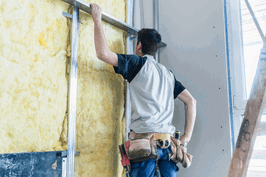
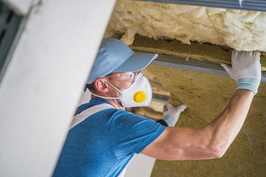
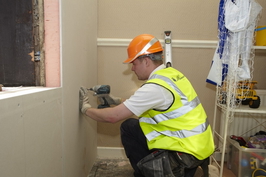
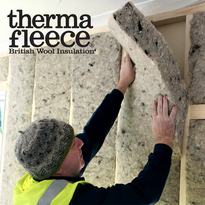
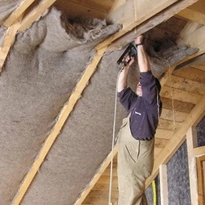
The installation process for sheep wool insulation in van conversions is notably straightforward, thanks to its user-friendly design and handling qualities. It can be fitted without the need for specialized tools, simplifying the procedure and making it accessible to both seasoned builders and DIY van enthusiasts.
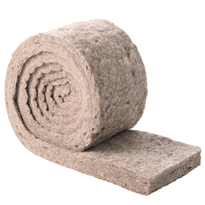
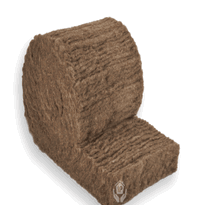
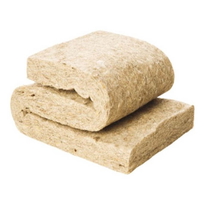
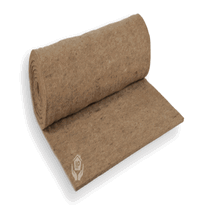
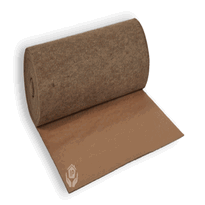
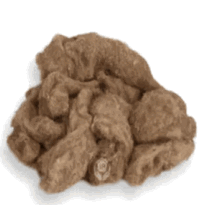
The material’s natural flexibility enables it to be used in blow-in or batt forms, offering versatile options tailored to various van layouts. Its lightweight composition makes cutting and fitting into irregular spaces much easier, reducing installation time and effort.
Because sheep wool actively manages moisture by absorbing and releasing up to 33% of its weight, there's no requirement for vapour barriers, which further streamlines the build process.
Additionally, its natural durability and resistance to mold, mildew, and high humidity ensure that the insulation remains effective over time. This makes sheep wool a reliable, adaptable, and safe choice for creating comfortable, long-lasting van interiors. Cell structure also plays a key role in its moisture regulation properties, enhancing overall performance.
Conclusion
Sheep wool insulation provides a sustainable and effective solution for van builders seeking natural thermal and acoustic benefits. Its moisture-regulating properties help to maintain a stable environment inside the vehicle while improving indoor air quality due to its non-toxic composition. The material is straightforward to install and is versatile enough to accommodate various vehicle configurations, making it a practical choice for many applications.
Overall, sheep wool insulation enhances energy efficiency and safety, supporting environmentally responsible modifications without compromising functionality or comfort. Its natural properties make it an excellent option for those prioritizing eco-friendly and healthy van conversions.