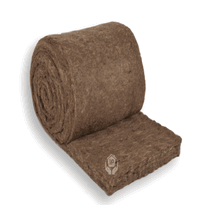
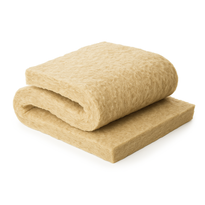
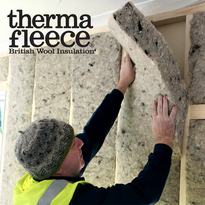
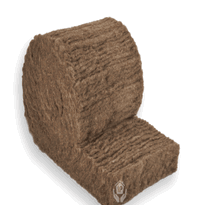
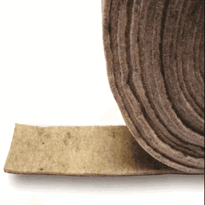
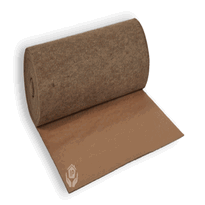
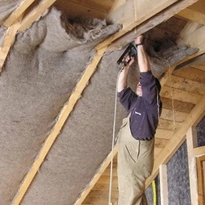
Sheep Wool Van Insulation
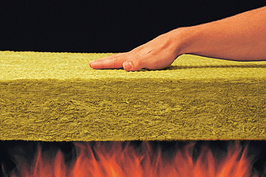
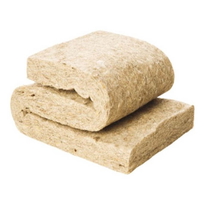
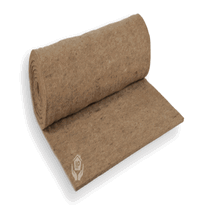
Sheep wool insulation is a sustainable and effective choice for converting vans in the UK, offering high thermal resistance, natural soundproofing, and moisture regulation. Its fibrous structure readily absorbs excess humidity, preventing condensation and mold growth, while releasing moisture when humidity levels decrease—helping to maintain a stable and comfortable interior environment. As a renewable and biodegradable material, wool does not require chemical fire retardants and naturally resists pests, rot, and mold.
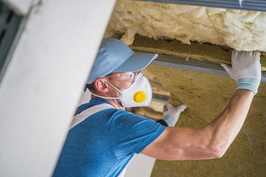
Further practical details include simple installation techniques and the additional eco-benefits of this environmentally conscious insulation option, making it an excellent choice for those seeking a greener approach to vehicle insulation.
Benefits of Sheep Wool for Van Insulation
Sheep wool offers numerous advantages as an insulation material for vans, primarily driven by its natural properties and environmental benefits. As a renewable resource obtained through shearing, it doesn't harm animals and has a lower carbon footprint compared to synthetic alternatives. Wool insulation also benefits from naturally high thermal resistance, making it effective at maintaining a stable interior temperature. Wool is fully biodegradable, reducing landfill waste, and its production requires less energy than foam or fiberglass insulation, aligning with eco-friendly practices. Additionally, sheep wool naturally resists fire without chemical treatment, providing inherent safety benefits. Its fibrous structure effectively dampens sound, lowering noise levels inside the vehicle. Wool is also easy to handle and customize during installation, as it can be shaped and cut to fit irregular spaces. It's resistant to rot, vermin, and mold growth, which helps ensure a durable and safe insulation solution. Moreover, its low emissions and antimicrobial properties promote healthier indoor air quality, supporting a safe and sustainable van living environment.
Moisture Management and Thermal Efficiency
Moisture management is a vital aspect of maintaining the thermal efficiency of van insulation, as excess moisture within wall compartments can significantly reduce insulating performance. Sheep wool fibers absorb moisture from the air when indoor humidity increases, preventing water accumulation that could compromise insulation effectiveness. As humidity drops below approximately 65%, wool releases stored moisture back into the environment, helping to sustain a natural moisture balance. This cyclical process prevents the formation of water droplets and condensation within the insulation layers, thereby reducing the risk of mold and mildew growth. Wool’s capacity to hold 30–35% of its weight in water vapor allows it to regulate indoor humidity without becoming wet or losing its insulating qualities. When paired with effective ventilation practices, this moisture management supports stable internal conditions, enhancing thermal performance and fostering a healthier living environment. Wool’s moisture absorption capacity plays a key role in stabilizing interior humidity levels, especially in fluctuating weather conditions.
Environmental Impact and Sustainability
Thanks to its natural origins and eco-friendly production processes, sheep wool insulation presents a markedly lower environmental impact compared to synthetic alternatives. It's a fully renewable and biodegradable resource, ensuring sustainability throughout its lifecycle. Its ability to be recycled or composted after use further reduces waste and supports circular economy principles. Regular sheep shearing cycles guarantee a continuous, ethical supply. At the end of its use, the material decomposes naturally without releasing harmful residues, thereby reducing landfill waste. The manufacturing of sheep wool insulation consumes less energy derived from fossil fuels and avoids the greenhouse gas emissions typically associated with foam or fiberglass insulations. Waste generated during processing is minimal and is often repurposed or composted, returning valuable nutrients to the soil. Additionally, grazing sheep contribute to carbon sequestration, and wool fibers temporarily lock in carbon within the environment, helping to minimize net CO? emissions. The natural biodegradability of wool further supports environmentally friendly disposal options. Choosing wool insulation thus supports ecological balance, minimizing environmental harm while maintaining high standards of thermal and acoustic performance.
Embracing this sustainable material plays a vital role in reducing carbon footprints and promoting healthier, more resilient homes across the UK.
Conclusion
Sheep wool offers an effective and sustainable solution for van insulation due to its natural moisture regulation and superior thermal performance. Its ability to absorb and release moisture helps maintain a stable internal environment, preventing issues such as mold and condensation. Additionally, sheep wool is an environmentally friendly material that minimizes ecological impact, supporting sustainable practices. Overall, incorporating sheep wool into van insulation combines durability, efficiency, and ecological responsibility, making it a practical choice for enhancing comfort and reducing environmental footprint.