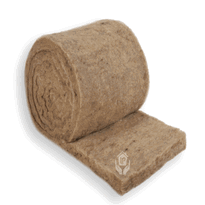
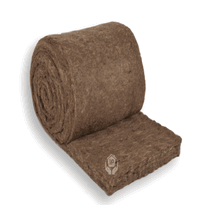
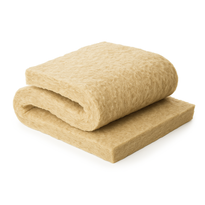
Van Conversion Sheepwool Insulation
Sheepwool insulation is an excellent choice for van conversions, particularly in the UK, due to its outstanding moisture management properties. It effectively prevents condensation and mould by absorbing and releasing humidity, helping to maintain a dry and healthy environment inside the vehicle. Additionally, sheepwool's natural air trapping ensures consistent thermal stability, supporting steady temperature regulation regardless of external weather conditions.
Beyond thermal benefits, sheepwool improves indoor air quality by trapping dust and irritants, making it a healthier option for occupants. It is non-toxic and fire-resistant, offering peace of mind and safety in confined spaces. As a naturally renewable and biodegradable material, sheepwool represents an environmentally sustainable insulation solution that resists pests and mold, reducing the need for chemical treatments.
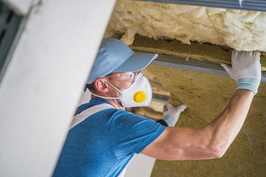
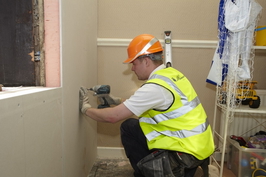
Proper installation involves careful cutting to fit panels or cavities snugly, along with friction fitting for effective coverage. Supporting the insulation with additional framing or battens can further enhance its performance and ease of installation.
Continuing to explore sheepwool will reveal how this eco-friendly material can optimize insulation in your van conversion, promoting both energy efficiency and a healthier interior environment for years to come.
Moisture Management and Thermal Stability
Sheep wool insulation offers notable benefits in moisture management and thermal stability within van conversions, thanks to its natural hygroscopic properties.
Wool fibers are able to absorb moisture when the surrounding humidity rises above approximately 65%, helping to prevent the formation of condensation inside the van. As the air becomes drier, the wool gradually releases the stored moisture, passively regulating humidity levels and maintaining a comfortable and stable environment. This natural moisture buffering ability is crucial for preventing dampness and mold growth in enclosed spaces. This cyclical process of absorption and release reduces the risk of dampness, mold growth, and structural damage, while also ensuring consistent insulation performance.
Thanks to its excellent air-trapping capability, wool fiber provides effective thermal stability that adapts seamlessly to changing climate conditions. By preventing cold surfaces from accumulating condensation, wool helps sustain optimal insulation performance throughout the year. Its natural ability to buffer moisture ensures the interior remains more comfortable, regardless of external weather, supporting long-term durability and energy efficiency within the van. Additionally, wool's thermal insulation properties are enhanced by its fibrous structure, which traps air and contributes to energy retention.
Benefits for Health and Indoor Air Quality
The natural properties of sheep wool insulation play a vital role in enhancing indoor air quality and promoting good health within van conversions. Wool’s capacity to actively filter airborne contaminants helps create a cleaner living environment. By trapping dust particles and other airborne irritants, it reduces their presence, contributing to fresher and healthier air.
Additionally, wool absorbs and releases moisture, assisting in maintaining balanced humidity levels. This regulation helps prevent the growth of mould and reduces the proliferation of airborne allergens, supporting respiratory health. Wool’s natural ability to regulate humidity also makes it less prone to developing odors over time, keeping the living space smelling fresh.
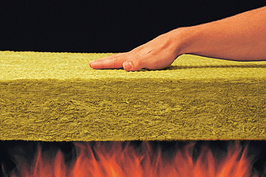
Unlike synthetic insulation materials, sheep wool contains no toxic chemicals or volatile organic compounds (VOCs), thereby eliminating potential sources of indoor pollution caused by off-gassing. Its fire-resistant, non-toxic composition further supports a safer environment without compromising air quality, making it an ideal choice for van dwellers prioritizing both comfort and well-being.
Its hypoallergenic qualities make sheep wool suitable for sensitive individuals, reducing the likelihood of allergic reactions.
Furthermore, wool’s natural resistance to mould and mildew naturally supports a healthier space. Its fire-resistant, non-toxic composition ensures safety without compromising air quality, making it an ideal choice for van dwellers prioritizing both comfort and well-being.
Installation, Sustainability, and Environmental Advantages
Installing sheepwool insulation in van conversions involves a systematic process designed to maximize coverage, thermal performance, and ease of fitting while accommodating the vehicle’s unique interior structure.
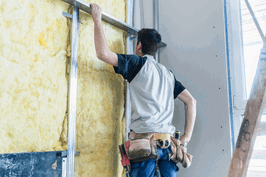
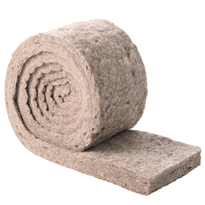
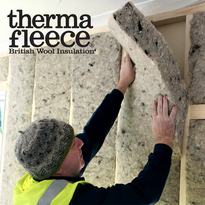
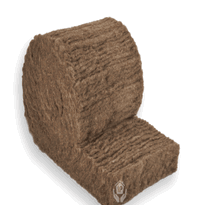
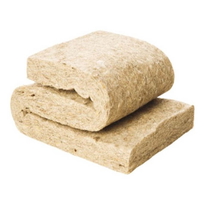
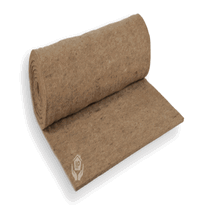
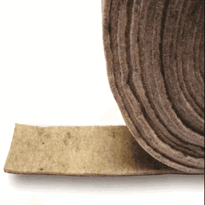
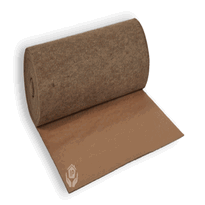
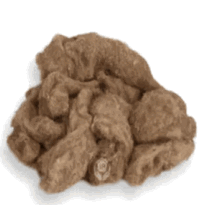
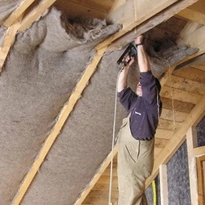
The process begins by measuring and cutting wool batts to fit wall cavities, with careful splitting and rolling to reduce thickness where necessary. Friction fitting allows the wool to be stuffed behind panels, around curves, and into cavities without the need for adhesives. Using properly sized jointing tape can help secure and reinforce the insulation if required, especially in larger or more complex joints.
A wooden support frame, such as 2x1 timber, is used to secure the insulation and help accommodate the van’s curvature.
Floor insulation requires framing with 1x2 timbers, creating cavities roughly 15 to 20 centimeters deep, into which a thin layer of wool can be installed to reduce bulk.
This method ensures effective thermal insulation, promotes sustainability, and minimizes environmental impact owing to sheepwool’s natural, biodegradable, and renewable properties. Sheepwool insulation is also resistant to pests and mold, making it suitable for a variety of environments.
As a natural insulation material, sheepwool not only provides excellent thermal performance but also supports environmentally friendly van conversion practices by utilizing renewable resources with minimal processing.
Conclusion
Sheep’s wool insulation in van conversions offers a range of notable benefits, making it an excellent choice for eco-conscious enthusiasts. Its natural ability to regulate moisture helps prevent issues such as damp and mould, ensuring a healthier and more comfortable interior environment. Sheep’s wool also provides excellent thermal stability, helping to keep the van warm in winter and cool in summer.
Moreover, sheep’s wool is a sustainable and environmentally friendly material that requires minimal processing, reducing its environmental footprint. Its natural fibres contribute to improved indoor air quality by resisting mould growth and repelling dust mites.
Proper installation of sheep’s wool insulation is essential to maximise its performance and longevity. When fitted correctly, it offers a durable, eco-conscious solution that combines practicality with sustainability—ideal for those seeking effective insulation for their van conversions while prioritizing environmental responsibility.