Waterproof Lagging for Outside Pipes
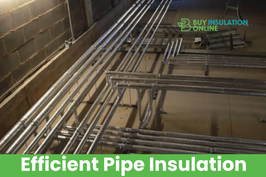
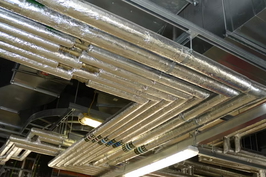
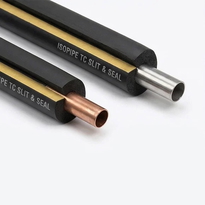
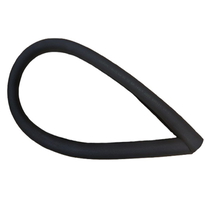
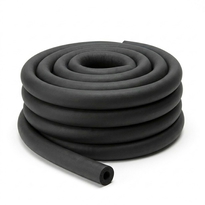
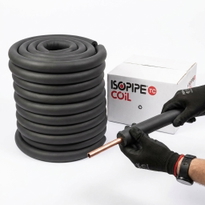
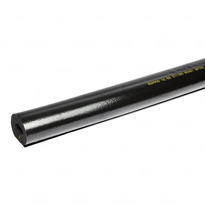
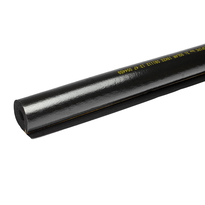
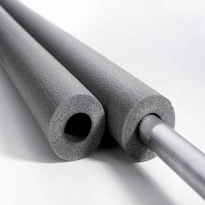
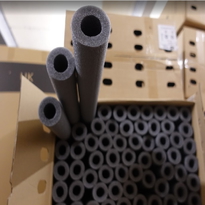
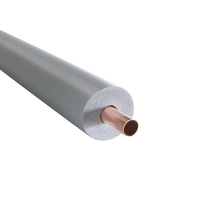
Waterproof lagging for outside pipes typically involves materials such as aluminium or aluzinc cladding combined with waterproof membranes and insulation like closed-cell foam. These materials are designed to resist water ingress, UV rays, and environmental damage, ensuring long-lasting protection. Proper installation includes secure fastening, sealing joints effectively, and conducting regular inspections to prevent moisture ingress, corrosion, and damage caused by weathering.
Following these best practices helps maintain thermal efficiency and durability even in the UK's challenging weather conditions. Continuing will provide detailed guidance on selecting appropriate materials and the most effective installation techniques to achieve optimal results.
Types of Waterproof Lagging Materials for External Pipes
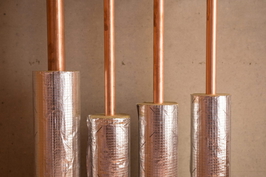
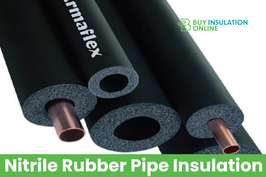
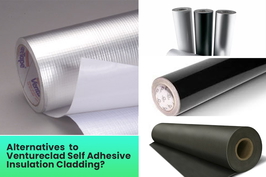
What're the primary materials used for waterproof lagging on external pipes, and how do they compare in functionality and durability? Aluminium cladding offers a lightweight, easy-to-handle solution with excellent resistance to corrosion and UV radiation, making it highly suitable for outdoor environments. It also enhances thermal reflectivity and maintains durability over a long service life, even under harsh weather conditions. Its reflective surface helps reduce heat transfer, improving overall energy efficiency. Aluzinc cladding, which consists of steel coated with aluminium and zinc, provides superior corrosion resistance and mechanical strength. It can withstand high temperatures and aggressive climates common in industrial settings, ensuring reliable protection for outdoor pipework. These materials differ primarily in their application focus, balancing ease of installation, environmental resistance, and mechanical robustness to provide the most suitable outdoor pipe protection depending on the specific requirements of the installation site. Additionally, considering the waterproofing capabilities of Marmox products, which support long-term moisture resistance, can further enhance outdoor pipe lagging solutions.
Essential Features and Benefits of Outdoor Pipe Insulation
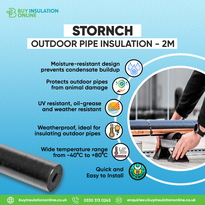
Outdoor pipe insulation provides essential features that enhance both the performance and durability of piping systems exposed to external environmental conditions. Its key benefit is energy efficiency, as it minimizes heat loss in hot water pipes, leading to reduced energy consumption and savings of between 10% and 20% on heating costs in residential properties. Larger commercial systems can benefit from even greater savings. Proper insulation placement is critical for ensuring maximum effectiveness and avoiding heat escape. Insulation also offers vital protection against freezing temperatures, helping to prevent pipes from bursting and ensuring a consistent flow of water. This reduces the need for maintenance and costly repairs. Furthermore, it manages condensation effectively, preventing rust and corrosion that can compromise the structural integrity of metal pipes in damp or humid surroundings. Good quality insulation can also provide additional moisture management in exposed environments, helping to reduce dampness around the piping system. Together, these features enable systems to operate reliably, with lower operational costs and increased safety. They promote sustainable practices by maintaining piping systems effectively in outdoor environments, ensuring longevity and optimal performance throughout the year.
Durability and Resistance in Harsh Environments
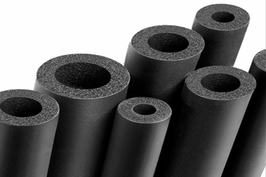
Waterproof lagging provides vital protection against moisture ingress and environmental elements, which are the primary factors that can compromise the durability and functionality of outdoor piping systems. It effectively prevents water from penetrating the insulation, thereby reducing the risks of mold growth, material degradation, and corrosion—particularly in metal pipes. Additionally, using materials such as closed-cell foam and PVC cladding significantly restrict water absorption, while external layers treated with UV-resistant coatings offer further defense against sun damage and weathering. These materials are specifically designed to withstand harsh conditions, ensuring long-term performance. Durable lagging also safeguards pipes from physical impacts, wildlife, wind, and hail, helping to maintain their structural integrity over time. Mechanical fasteners and adhesives enhance robustness during installation, ensuring the insulation remains secure in challenging conditions. Regular inspections are essential for early detection of any damage, allowing prompt repairs that extend the lifespan of pipe insulation in harsh environments. Maintaining proper ventilation and drainage around external pipes further enhances their protection against moisture accumulation and environmental stress. This ongoing maintenance ensures consistent performance and effective protection, regardless of environmental challenges.
Best Practices for Installing Waterproof Pipe Lagging
Proper installation of waterproof pipe lagging requires meticulous attention to measurement, material selection, and sealing techniques to ensure optimal performance.
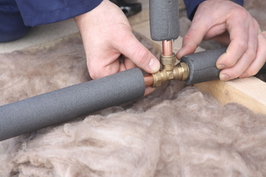
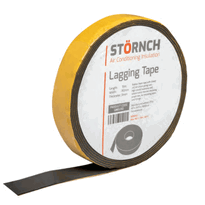
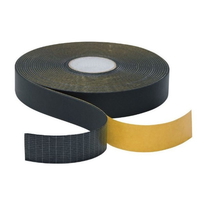
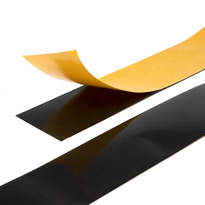
Accurate measurement involves matching lagging dimensions precisely to pipe diameters, avoiding gaps that could allow water ingress. Using manufacturer sizing guides guarantees a proper fit across various pipe sizes, such as those from 10mm to 89mm, preventing undersized or oversized applications that could compromise waterproof integrity. Measuring equipment should be calibrated regularly to ensure precise dimensions and fit. During installation, surfaces must be cleaned and dried thoroughly to improve adhesion. Selecting high-quality waterproof sealing tapes like KlasseClad or fire-resistant silicone sealant enhances the durability of the lagging.
Sealing all joints, seams, and overlaps with appropriate adhesives, tapes, or waterproof laminates is essential; lap joints should overlap correctly for horizontal pipes, and butt joints for vertical ones.
Regular inspection and prompt resealing help maintain long-term effectiveness.
Ensuring that each stage of installation is carried out correctly will provide reliable waterproof protection, safeguarding pipes from potential water damage.
Maximizing Thermal Efficiency and Longevity of Outdoor Pipes
Implementing waterproof lagging around outdoor pipes significantly enhances their thermal efficiency and extends their operational lifespan. By establishing a moisture-resistant barrier, lagging effectively reduces heat loss, potentially decreasing energy consumption by up to 90% in well-insulated systems.
It prevents external cold air from unnecessarily warming pipes, thereby maintaining stable temperatures for both hot and cold water supplies. Waterproof lagging also guards against condensation build-up, which helps to minimise corrosion and structural damage over time. Properly installed lagging can also prevent pest infiltration and wildlife access, protecting the integrity of the pipe insulation.
Additionally, it protects pipes from the effects of freeze-thaw cycles that can cause bursts and other failures. This protective measure not only lowers maintenance costs but also prolongs the durability of the piping infrastructure. Furthermore, the use of high-quality adhesives tailored for outdoor environments ensures the lagging's adhesion and resistance to weathering, as highlighted in application techniques.
Furthermore, effective lagging reduces the workload on heating systems by ensuring pipes retain their heat more efficiently. This leads to reductions in fuel and electricity usage, contributing to overall energy conservation.
Conclusion
Implementing suitable waterproof lagging for outdoor pipes is vital to ensure effective insulation, prevent moisture ingress, and prolong the lifespan of the pipes. Careful selection of appropriate materials, combined with adherence to best installation practices, plays a significant role in achieving optimal performance. Additionally, considering environmental factors such as exposure to rain, frost, and temperature fluctuations helps to maintain the integrity of the insulation.
Proper insulation not only enhances thermal efficiency but also provides a protective barrier against weather-related damage. By prioritising these measures, property owners and technicians can ensure reliable pipe operation and minimise maintenance requirements, resulting in improved durability and long-term operational stability.
Featured Articles on Waterproof lagging for outside pipes