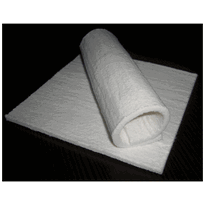
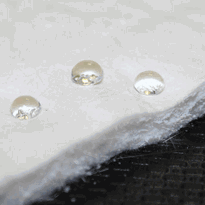
Weatherproof Pipe Lagging
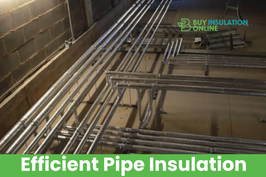
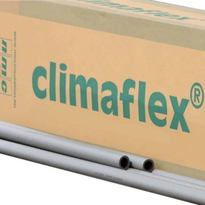
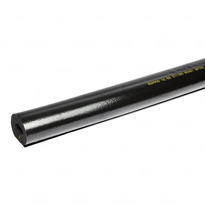
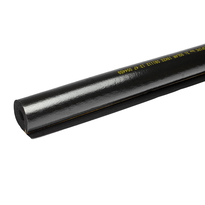
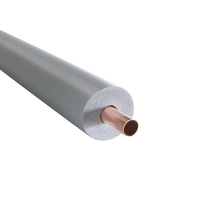
Weatherproof pipe lagging is essential for safeguarding pipes against environmental elements, temperature fluctuations, and moisture ingress. Commonly used materials include mineral wool, which provides excellent insulation and fire resistance, as well as foam and rubber insulation, known for their flexibility and durability.
These materials often incorporate moisture barriers and vapour-resistant layers, significantly enhancing their performance in outdoor settings.
To optimize the effectiveness of pipe lagging, proper installation is crucial. This involves accurate measurements, sealing seams securely, and ensuring the lagging is firmly affixed.
Selecting the appropriate material not only supports energy efficiency but also contributes to sustainability efforts.
In the following sections, we will share key tips to maximize weatherproofing and prolong the lifespan of your pipes.
Types of Weatherproof Pipe Lagging Materials
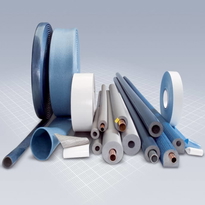
There are several common materials used for weatherproof pipe lagging, each designed to provide insulation and protect pipes from environmental factors.
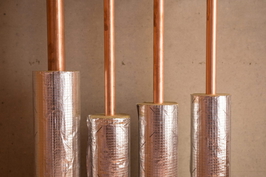
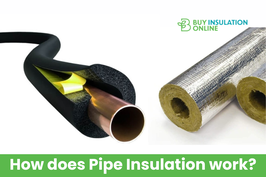
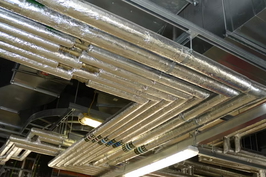
Mineral wool is composed of spun molten rock fibers, offering excellent insulation, fire resistance, and soundproofing. Its aluminium foil facing acts as a moisture barrier, and it can withstand high temperatures, making it ideal for environments with heat exposure. Mineral wool has a high fire resistance, which enhances safety in various applications.
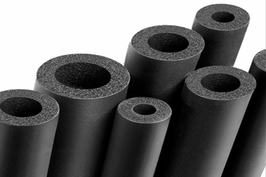
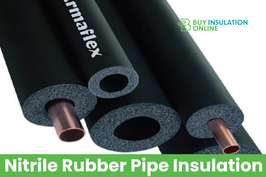
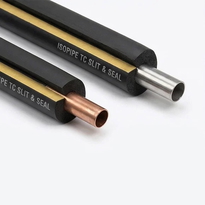
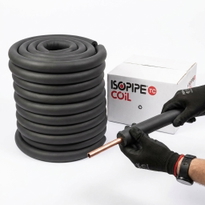
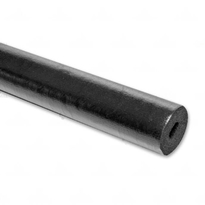
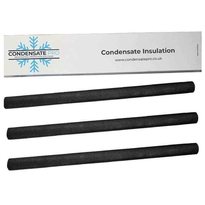
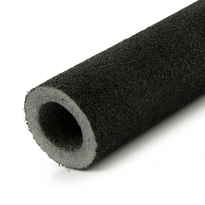
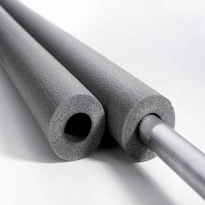
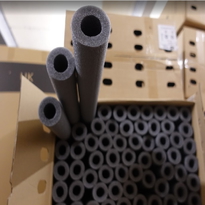
Foam pipe insulation is lightweight and cost-effective, featuring pre-slit tubes for easy fitting. It significantly reduces condensation on pipes, preventing issues such as mold and corrosion, and is primarily utilized in residential settings.
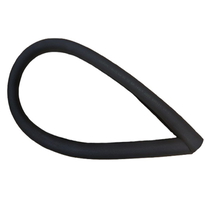
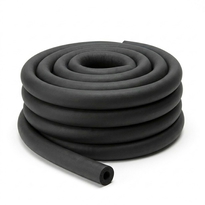
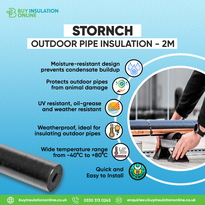
Rubber pipe insulation is flexible, durable, and resistant to moisture and UV rays, making it suitable for outdoor or damp areas.
These materials ensure that pipes remain protected and perform efficiently across a variety of conditions.
Moisture Resistance Features in Pipe Insulation
Moisture resistance is an essential characteristic of pipe insulation, as it plays a crucial role in preventing issues associated with water infiltration, such as corrosion and the degradation of insulation. Integrated vapour barriers in materials like fibreglass and cellular glass effectively prevent water vapour from reaching the pipe surface, thereby minimizing the risk of condensation. This protection is especially vital in humid or damp environments, as it helps maintain the insulation’s integrity and performance. Closed-cell elastomeric foams are particularly beneficial, as they entirely prevent water absorption while offering flexibility and durability, especially in damp conditions. Additionally, moisture-resistant coatings and jacketing, including chemical-resistant layers, provide an extra layer of protection against external water and solvents. Airtight insulation assemblies are designed to limit vapour penetration, which is particularly important in environments with high humidity or underground settings. Certain materials are specifically engineered to endure groundwater without suffering deterioration, making them suitable for underground applications. These moisture-resistance features collectively contribute to enhancing the longevity of pipes and ensuring effective insulation, regardless of moisture exposure.
Temperature Resistance Properties of Weatherproof Lagging
Weatherproof pipe lagging must endure a variety of outdoor temperatures, ranging from extreme cold to intense heat. Different materials offer varying levels of resistance to these conditions. For example, EPDM rubber excels in withstanding UV exposure and temperature fluctuations without degrading. Fiberglass demonstrates superior thermal performance in both high and low temperatures compared to polyethylene. Elastomeric rubber is known for its durability across a broad temperature range, making it ideal for colder and moderate climates. Phenolic foam features low thermal conductivity, allowing for thinner insulation that effectively minimizes heat loss. Reflective foil insulation is particularly effective in reflecting radiant heat, making it suitable for milder climates.
Material |
Best Use Case |
| EPDM rubber | UV exposure and temperature fluctuations |
| Fibreglass | Stability in hot and cold temperatures |
| Phenolic foam | Thinner insulation with high heat resistance |
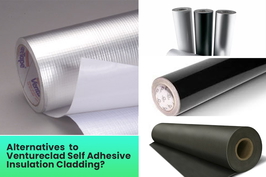
| Reflective foil | Ideal for radiant heat reflection in milder climates |
When choosing the appropriate lagging for your pipes, consider the specific temperature fluctuations and environmental conditions they will face. Selecting the right material can significantly enhance the longevity and efficiency of your insulation.
Installation Benefits and Best Practices
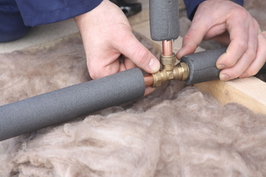
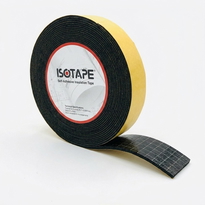
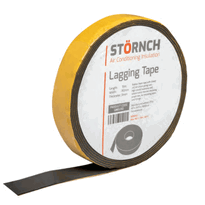
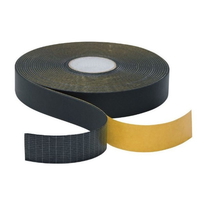
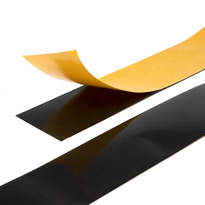
Proper installation of weatherproof pipe lagging is essential for ensuring long-lasting protection and optimal performance. Accurate measurement of pipe diameter is crucial for selecting the right lagging size, preventing gaps that can lead to heat loss or moisture entry. Utilizing materials with waterproof coatings, such as PVC-coated nitrile rubber foam, is vital for outdoor or underground pipes. Effective surface preparation, including thorough cleaning and drying of pipes, enhances adhesion and durability. When wrapping the lagging, it's important to overlap edges tightly and seal seams with adhesive laps or waterproof tapes to achieve a watertight finish. Securing the lagging with clips or ties is necessary to prevent shifting over time. Using the proper tools, such as scissors or utility knives, can make installation easier and more precise. These best practices protect pipes from freezing, reduce energy loss, and extend their lifespan, ensuring that the entire community benefits from a reliable and efficient piping system.
Environmental Impact and Energy Efficiency of Pipe Insulation
Pipe insulation is essential for reducing energy consumption and minimizing environmental impact. Effective insulation can significantly decrease the energy required for heating and cooling, which aids in lowering emissions and conserving resources.
Many insulation materials are crafted from renewable or recycled content, such as fiberglass from silica sand or products like Earthwool that utilise recycled glass. Insulating pipes, particularly in chilled water systems, can lead to substantial energy savings, far exceeding the energy invested in producing the insulation itself. This not only benefits the environment but also results in long-term financial savings for users.
Utilising sustainable materials helps reduce waste and lower carbon footprints
Enhanced R-values improve energy efficiency and decrease energy consumption
Recycling initiatives in manufacturing help conserve natural resources
Environmental impact data shows that choosing eco-friendly insulation materials can further reduce ecological damage associated with building maintenance and upgrades.
Conclusion
Weatherproof pipe lagging provides effective protection against moisture and fluctuations in temperature, ensuring the durability of pipes and enhancing energy efficiency. Choosing the appropriate materials and adhering to proper installation methods can significantly improve insulation performance and prolong the lifespan of your plumbing system.
Moreover, opting for eco-friendly alternatives can minimise environmental impact whilst maintaining high-quality insulation.
Ultimately, understanding the various types and features of weatherproof lagging enables informed decisions that benefit both your property and the planet.
Featured Articles on Weatherproof pipe lagging