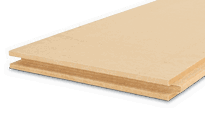
Wood Fibre Board
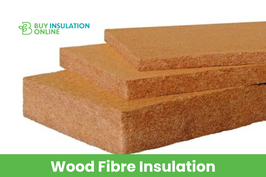
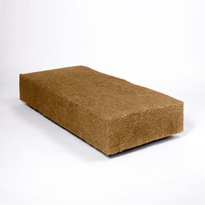
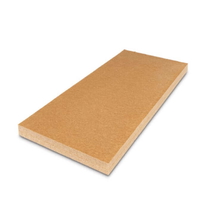
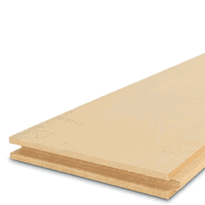
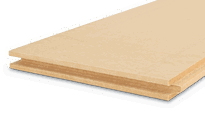
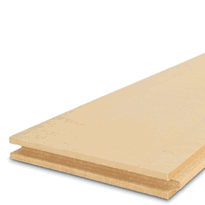
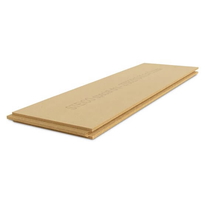
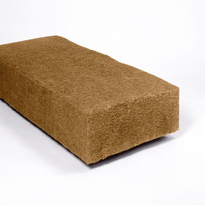
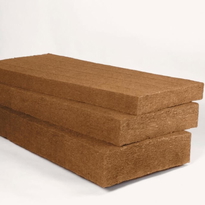
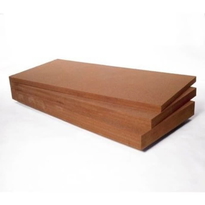
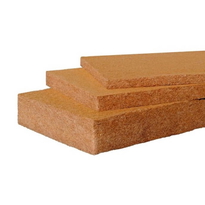
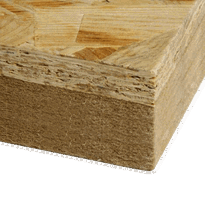
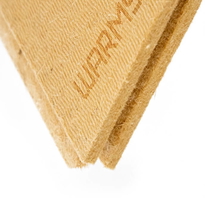
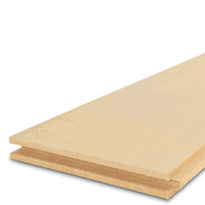
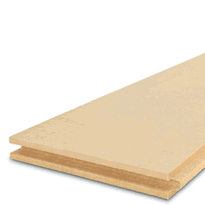
Wood fibre boards are engineered panels created from compressed wood fibres that are bonded using adhesives. These boards find application in construction, furniture production, and insulation. Their manufacturing involves processes such as refining wood chips, washing the fibres, and pressing them together with adhesives, commonly melamine or polyurethane.
There are various types of wood fibre boards available, including low, medium, and high density boards, each designed for specific uses. The environmental impact of these boards is typically minimal, particularly when they are produced from sustainable materials.
Delving deeper into this topic reveals how the methods of manufacturing can significantly affect both the quality and sustainability of wood fibre boards. This makes them a popular choice for eco-conscious consumers and industries alike.
Manufacturing Technologies and Materials
Manufacturing wood fibre board involves a series of established processes that transform raw wood chips into finished panels.
Initially, wood chips from hardwood or softwood are pulped using steam or chemicals to soften and release wood sugars. The chips then undergo refining, where disc refiners break them into fibres, and additional processing may occur to achieve smoother surfaces. The refining process is crucial for determining fibre quality and thus affects the final board performance.
The fibres are washed to remove residual sugars and are then mixed with water and additives such as alum, phenol-formaldehyde resin, and wax to enhance bonding and moisture resistance.
During production, adhesives and additives are either sprayed onto the fibres or blended directly with them to ensure even coverage.
Subsequently, the fibres are formed into continuous mats on moving screens, which are then drained by gravity and suction. The mats are pressed under high temperature and pressure to create dense, durable boards suitable for various applications in construction and furniture manufacturing.
This meticulous process ensures that the final wood fibre boards are of high quality, offering excellent performance characteristics for both residential and commercial uses.
Types of Fiberboards and Their Characteristics
Wood fibreboards are available in various types, each engineered with distinct properties to cater to different applications.
Low Density Fibreboard (LDF), often referred to as particle board, is characterised by a density below 600 kg/m³. It's constructed from wood chips and plastic granules, resulting in a rough surface that's less durable. This type of fibreboard is primarily utilised for economical furniture and shelving solutions. Because of its lower density, LDF tends to have less structural strength and moisture resistance compared to other types.
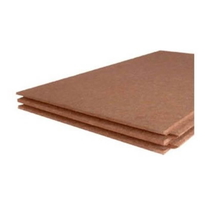
Medium Density Fibreboard (MDF) has a density ranging between 600 and 800 kg/m³. This board is produced by compressing wood fibres with resin, creating a smooth and uniform surface. MDF is widely favoured for furniture and cabinetry due to its excellent machinability and moderate strength. Its consistent surface makes it ideal for painting and veneering projects.
High Density Fibreboard (HDF) features a density exceeding 800 kg/m³, granting it enhanced strength and durability. It's well-suited for applications such as flooring underlayment, door skins, and industrial uses where resistance to impact is essential. HDF's high density provides superior resistance to wear, making it suitable for high-traffic environments and heavy-duty applications.
Role of Additives and Adhesives in Fabrication
Additives and adhesives are crucial in enhancing the strength and resilience of wood fibre boards against environmental challenges.
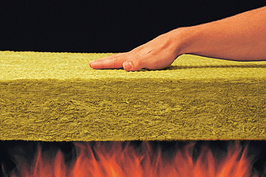
Various types of adhesives, such as melamine-urea-formaldehyde (MUF) and polyurethane, not only facilitate bonding but also introduce additional properties, including fire resistance.
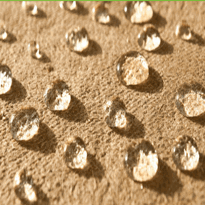
Additives, such as wax, significantly improve moisture resistance. The choice of adhesive can influence the combustibility and emission properties of the final product.
The appropriate application of these materials directly affects key characteristics such as strength, durability, and surface finish, ensuring that the final product adheres to quality standards and meets the expectations of users in the UK.
Adhesive Types and Functions
Different types of adhesives play vital roles in the fabrication of wood fibre boards, each offering unique bonding properties suited for specific applications. Phenol-formaldehyde (PF) adhesives are commonly used in structural panels, curing under heat to create strong, water-resistant bonds that are essential for load-bearing uses. Melamine-urea-formaldehyde (MUF) adhesives serve well for internal bonding, providing clear, durable joints with good heat resistance. Polyurethane (PU) adhesives cure with moisture, delivering flexible, high-strength bonds that are ideal for insulation and foam attachments. Resorcinol-formaldehyde (RF) adhesives are preferred for exterior-grade products due to their exceptional durability. Each adhesive type reacts differently during the curing process, directly impacting the board’s strength, stability, and longevity. Proper selection of adhesives ensures that the final product meets performance standards and safety requirements, ultimately contributing to the overall quality and reliability of wood fibre boards. The choice of adhesive directly influences the environmental impact of the final product, as some adhesives emit hazardous substances during curing.
Additive Impact on Properties
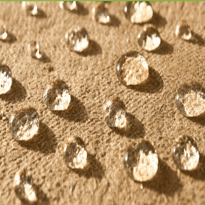
The incorporation of various additives during the manufacturing process can profoundly affect the properties of wood fibre boards. Hydrophobic additives such as paraffin and bitumen emulsions effectively cover water-binding sites on fibres, thereby reducing moisture absorption and enhancing resistance to decay. However, inadequate distribution in wet manufacturing may diminish their effectiveness.
Polyolefin fibres, while hydrophobic, do not completely obstruct water-binding sites due to their loose integration. The following table illustrates the impacts of different additives:
Additive Type |
Impact on Properties |
| Paraffin | Enhances moisture resistance, reduces decay |
| Bitumen | Provides water resistance, influences bonding |
| Starch & Resins | Strengthen internal bonding, enhance strength |
| Melamine-urea | Lowers emissions, improves thermal insulation |
| Waxes & Resins | Enhance surface smoothness and stability |
Understanding these additive impacts is crucial for optimising the performance and longevity of wood fibre boards in various applications.
Physical and Mechanical Attributes of Wood Fibre Boards
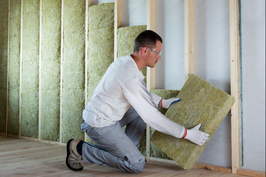
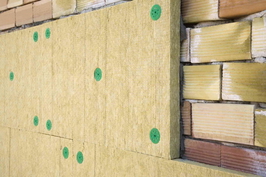
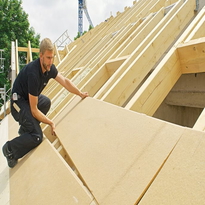
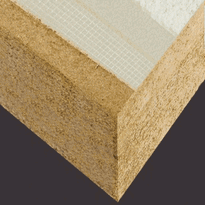
Wood fibre boards are renowned for their well-balanced physical and mechanical properties, making them ideal for a variety of building and insulation applications. Their density can vary significantly, influencing essential characteristics such as insulation, strength, and durability. Density variations impact the product’s adaptability for different applications. Lighter boards typically excel in breathability and thermal insulation, making them particularly suitable for use in walls and roofs. In contrast, denser boards provide enhanced compressive strength, rendering them appropriate for load-bearing applications like flooring. The unique microstructure of wood fibre boards facilitates moisture regulation and features low thermal conductivity, contributing to their energy efficiency. Mechanical strength, encompassing both compressive and tensile resistance, adheres to regional standards, supporting their use in both flooring and external wall constructions.
Environmental Impact and Emission Controls
Environmental impacts and emission controls are crucial considerations when assessing wood fibre boards. These boards typically exhibit a lower environmental footprint in comparison to materials such as steel, cement, plastic, and glass. They support sustainability by utilising renewable resources, including wood fibres and waste products, which sequester carbon and reduce reliance on virgin wood. The carbon footprint of medium-density fibreboard (MDF) is often regarded as negative since trees absorb more carbon dioxide during their growth than is emitted during processing. However, it's important to note that a significant portion of the pollution associated with MDF production stems from on-site emissions, including volatile organic compounds (VOCs), carbon monoxide, and particulates. In addition, regulatory standards help limit harmful emissions from manufacturing facilities. Eco-friendly MDF alternatives are available that significantly reduce harmful emissions, such as formaldehyde. Effective waste management is essential, as certain residues, including ash and other by-products, require proper disposal.
Equipment and Production Scale Insights
The production of wood fibre boards relies significantly on specialised equipment designed to process raw materials efficiently and consistently. Equipment such as wood chip refiners transforms large chips into smaller fibres, while hammer mills further reduce fibre size. These machines are essential for achieving the desired fibre dimensions necessary for high-quality fibre boards. Dryers, including rotary drum and belt types, effectively lower moisture content to optimal levels. Screening machines sift through fibres, eliminating impurities to ensure uniform quality in the slurry. Pressing and hot press machines then compress and cure fibre mats into final boards, with thickness and density tailored to specific product requirements. Production lines can vary widely, from small plants to extensive facilities that produce significant volumes annually. The capacity of equipment, measured in tons or cubic metres per hour, plays a crucial role in determining the scale and level of automation within the operation. Modular systems provide opportunities for capacity upgrades and flexible production capabilities. Large-scale operations are designed to meet global demands, often achieving impressive output levels.
Applications and Future Trends
As interest in sustainable building materials continues to rise, eco-friendly wood fibre boards are becoming increasingly popular in the UK for construction, insulation, and furnishings.
Advances in manufacturing technologies, such as enhanced steam curing processes, enable the production of these boards more efficiently and with reduced energy consumption. More efficient production techniques also contribute to lowering the overall carbon footprint of these insulation products.
Looking to the future, ongoing innovation in environmentally conscious materials is set to expand the applications of wood fibre boards, further enhancing their sustainability.
These developments may lead to new uses in various sectors, reinforcing the role of wood fibre boards in promoting eco-friendly practices within the construction and design industries.
As consumers and builders alike seek greener alternatives, the demand for these sustainable materials is expected to grow, paving the way for a more environmentally responsible approach to building and design in the UK.
Emerging Eco-friendly Materials
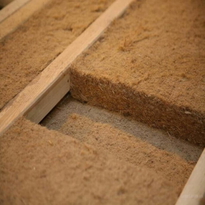
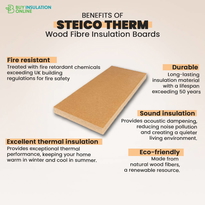
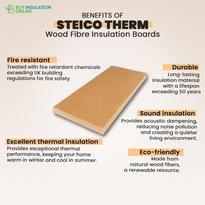
Emerging eco-friendly materials, such as wood fibre boards, are increasingly recognised for their sustainable attributes and versatile applications. These boards are crafted from renewable wood fibres sourced from sustainably managed forests, ensuring the continuous replenishment of resources. The use of natural lignin as a binder eliminates the need for synthetic adhesives, thereby reducing toxins and formaldehyde emissions. The production process of wood fibre boards consumes less energy, which contributes to a lower overall carbon footprint. Furthermore, these materials enhance indoor air quality by avoiding volatile organic compounds and formaldehyde. As carbon-negative materials, wood fibre boards effectively sequester carbon dioxide, playing a significant role in climate change mitigation. Recent advancements have led to the development of fire-retardant versions that meet safety standards without compromising structural integrity. Wood fibre boards are ideal for insulation in walls, floors, and ceilings, making them a perfect fit for modern eco-friendly buildings. Their high thermal mass helps stabilise indoor temperatures, thereby enhancing energy efficiency. Additionally, their moisture regulation and vapour permeability properties mitigate issues related to mould and humidity. The fire-retardant characteristics of these boards comply with safety standards without compromising their structural integrity. The growing popularity of wood fibre boards exemplifies a shift towards more sustainable construction practices, making them a valuable choice for environmentally conscious builders and homeowners alike.
Advanced Manufacturing Technologies
Advanced manufacturing technologies are revolutionising the production and utilisation of wood fibre boards. Digital tools and the Internet of Things (IoT) facilitate real-time monitoring of moisture levels and curing processes, enhancing quality and minimising waste.
Predictive maintenance, employing sensors and artificial intelligence, identifies potential issues early, thereby reducing production downtime.
Supply chains benefit from increased transparency through digital tracking, allowing manufacturers to proactively adjust their plans. These innovations also optimise raw material sourcing, ensuring adherence to environmental standards.
Automation accelerates production, reduces labour costs, and enhances overall efficiency.
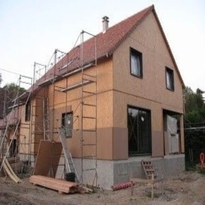
In the construction sector, wood fibre boards are increasingly utilised in prefabricated panels and modular systems, contributing to the creation of energy-efficient and sustainable buildings.
As a result, these advancements render wood fibre boards more reliable, environmentally friendly, and appealing in today’s market.
Conclusion
Wood fibre boards are versatile materials produced through various manufacturing techniques, utilising different fibres, adhesives, and additives. They are appreciated for their physical strength, environmental benefits, and broad spectrum of applications. Continuous advancements in technology enhance their quality and sustainability.
These boards play a significant role in modern construction and design, offering durable and eco-friendly options for builders and designers alike. Ongoing research aims to further improve their performance and reduce environmental impact, ensuring that wood fibre boards remain a valuable choice in the industry.
Featured Articles on Wood fibre board