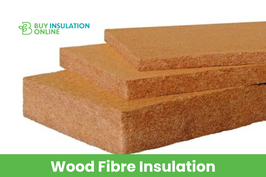
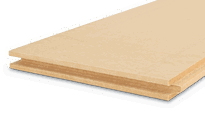
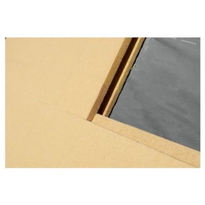
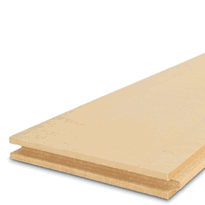
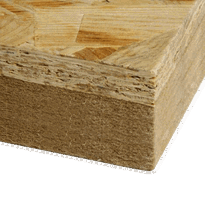
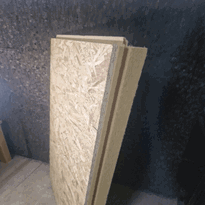
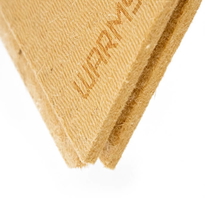
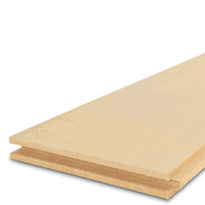
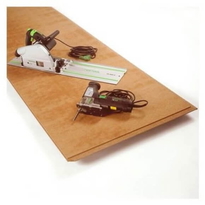
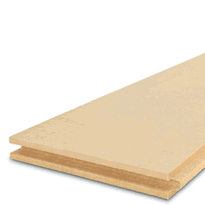
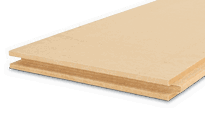
Wood Fibre Insulation
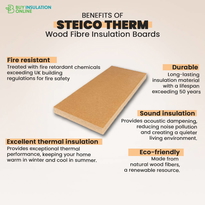
Wood fibre insulation is a sustainable material renowned for its exceptional thermal performance. It helps to maintain a comfortable indoor environment, keeping buildings warm during the colder months and cool in the summer, all while contributing to reduced energy expenses.
One of the key advantages of wood fibre insulation is its ability to manage moisture effectively. This helps to prevent mould growth and enhances indoor air quality, owing to its high vapour permeability. Additionally, it boasts fire resistance and durability, making it a reliable choice for various construction methods. Whether for new builds or retrofitting existing structures, wood fibre insulation proves to be a versatile solution.
Discover the numerous benefits of wood fibre insulation and how they can enhance your building’s performance and sustainability.
Superior Thermal Performance and Energy Savings
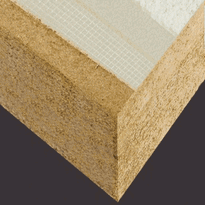
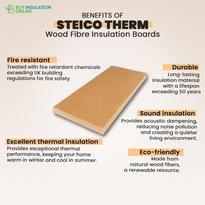
Wood fibre insulation provides exceptional thermal performance, ensuring that buildings remain cosy during the winter and comfortably cool throughout the summer. Its unique cellular structure effectively traps tiny air pockets, which minimises heat transfer and helps maintain stable indoor temperatures. Timber frame is Scotland’s most popular building material, accounting for 83% of new homes. The material’s low thermal conductivity, combined with its ability to absorb and release heat in response to changing temperatures, reduces the necessity for additional heating or cooling. This efficiency contributes to considerable energy savings by alleviating the strain on heating, ventilation, and air conditioning systems. Furthermore, the inherent properties of wood fibre insulation assist in preventing overheating in the summer months, leading to even further reductions in energy consumption. When incorporated into building panels or insulated systems, it enhances overall energy performance. These characteristics position wood fibre insulation as an eco-friendly option that promotes long-term cost savings and creates a comfortable indoor environment.
Optimized Moisture Management and Indoor Air Quality
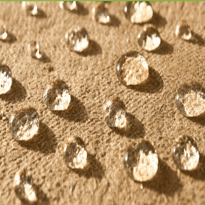
Moisture management is vital for maintaining healthy indoor environments, and wood fibre insulation is particularly effective in this respect. Its high vapour permeability and capillary action facilitate the safe passage and evaporation of moisture, significantly reducing the risks associated with mould growth.
Key advantages of wood fibre insulation include:
Moisture buffering capacity, which effectively absorbs excess humidity from everyday activities and gradually releases it, helping to stabilise indoor air quality.
High porosity and specialised manufacturing processes that enhance moisture absorption and desorption, thereby improving the durability of the insulation.
Hygroscopic properties that help regulate indoor humidity levels, preventing both dampness and excessively dry conditions, ensuring occupant comfort.
These characteristics work in harmony to foster a healthier indoor environment, where moisture is managed naturally, and air quality remains balanced. Research indicates that the pore size distribution and internal structure of wood fibre insulation are optimized through specific manufacturing techniques to improve moisture exchange.
This not only promotes comfort and wellbeing but also nurtures a sense of belonging for all occupants.
Environmental Benefits and Carbon Footprint Reduction
Wood fibre insulation provides considerable environmental advantages by sequestering carbon throughout its lifecycle, thereby contributing to the reduction of greenhouse gases. This insulation is crafted from waste wood sourced from sawmills, promoting the use of renewable materials and decreasing waste. Study from Swedish University of Agricultural Sciences highlights how using wood for insulation leads to lower greenhouse gas emissions and better air quality. Unlike the combustion of wood for fuel, which releases stored carbon back into the atmosphere, wood fibre insulation retains carbon for its entire lifespan, leading to a decrease in overall emissions. It presents a more eco-friendly alternative to synthetic insulations, such as polyurethane foam, which can take centuries to decompose naturally. Moreover, certain wood fibre products can be recycled at the end of their life cycle, further lessening their environmental footprint. The use of wood for insulation can significantly cut greenhouse gas emissions and enhance energy efficiency by reducing heating and cooling requirements. These attributes collectively position wood fibre insulation as a more sustainable choice for environmentally conscious building practices in the UK. The combination of waste reduction, carbon storage, and energy efficiency makes it an excellent option for those looking to minimise their ecological impact.
Enhanced Fire Safety and Structural Integrity
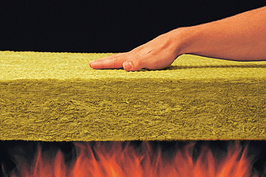
Wood fibre insulation boasts impressive fire-resistant qualities that align with, and often surpass, current safety regulations, including the B-s1, d0 classification.
Its compact, fibrous composition effectively retards the spread of flames and helps preserve structural integrity during fire incidents. Additionally, fire-retardant treatments further enhance safety measures. Wood fibre insulation burns slowly, offering more time for occupant escape, which complements its fire resistance. When used alongside protective layers such as plaster or fire-rated boards, wood fibre insulation contributes to the development of robust, fire-resilient building systems.
This combination not only promotes enhanced fire safety but also supports sustainable construction practices, making it an excellent choice for modern building projects in the UK.
Fire-Resistant Material Properties
Wood fibre insulation inherently resists fire through various mechanisms that enhance safety and uphold structural integrity.
These mechanisms include:
The formation of a protective carbon layer when exposed to flames, which slows down the spread of fire and aids in maintaining the stability of the structure.
The high carbon content in wood fibres, providing natural resistance without the need for added chemicals.
The production of minimal smoke, with no flaming droplets, and a slower burn rate compared to synthetic alternatives.
Its inherent chemical composition that contributes to overall fire resistance, reducing the risk of ignition.
Fire retardant treatments further enhance these properties by developing early char layers that reduce heat and smoke during combustion.
Treated insulation retains improved fire resistance for an extended period, making it a dependable choice for safe building environments.
Structural Durability Benefits
The role of insulation extends beyond thermal regulation to significantly impact the structural durability of buildings, particularly during fire incidents.
Wood fibre insulation chars slowly when exposed to fire, creating a protective layer that delays the spread of flames and helps maintain the structural integrity of a building. This char insulates vital materials beneath, preventing rapid temperature increases that could compromise the structure.
The slow charring process of wood fibre insulation reduces thermal degradation, allowing timber framing and other components more time to endure fire conditions.
Moreover, as it doesn't emit toxic fumes during combustion, it helps minimise chemical damage. Its fire-retardant properties, combined with compatibility with structural adhesives and panels, enhance the overall strength and safety of buildings, ensuring they remain more resilient during emergencies.
Incorporating wood fibre insulation can therefore be a crucial element in building design, promoting not only energy efficiency but also long-term durability and safety.
Versatile Installation and Compatibility With Building Systems
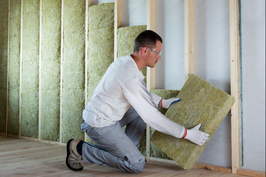
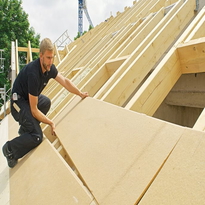
Installing wood fibre insulation provides remarkable versatility, allowing it to be tailored to a wide range of building systems and application methods. This insulation is suitable for various areas and integrates seamlessly with existing structures.
Here are some essential considerations:
Blow-in insulation is ideal for sealed cavities with joints measuring less than 1 cm, significantly enhancing thermal performance.
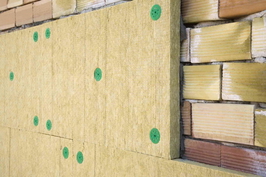
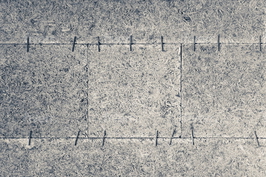
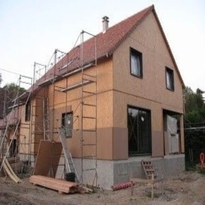
For external facades, secure fixing can be achieved using staples or screw dowels, with reinforcing mortars and fabrics to ensure added durability.
Compatibility with membranes and other building components necessitates the use of approved materials and meticulous planning around electrical and plumbing installations.
This adaptability positions wood fibre insulation as an excellent choice for both retrofits and new builds, delivering efficient thermal control while meeting diverse construction requirements.
Its design promotes smooth integration, ensuring a functional and comfortable space for all.
Durability, Maintenance, and Long-Term Performance
Given its natural composition and treatment, wood fibre insulation demonstrates remarkable durability that supports long-term performance. It can withstand exposure at construction sites for several months without losing its resilience, making it a reliable choice during installation. Insulation lifespan varies by type and environmental factors. The material resists warping and degradation even when subjected to moisture and varying weather conditions, thanks to its hydrophobic waxes and resins. Its inherent flexibility allows it to adapt to structural movements, such as timber shrinkage and drying, thereby maintaining its insulation integrity over time. Furthermore, wood fibre chars rather than ignites rapidly in fires, providing effective fire resistance without emitting harmful gases—this characteristic ensures compliance with stringent fire safety regulations. The breathable, vapour-permeable structure of wood fibre insulation prevents moisture accumulation within buildings, reducing the risks of mould and decay and ensuring consistent performance throughout its lifespan. Regular inspections can help identify and address any damage promptly, further enhancing its durability.
Conclusion
Wood fibre insulation provides exceptional thermal performance, significantly aiding in the reduction of energy costs. It effectively manages moisture, enhancing indoor air quality and contributing to healthier living environments. Being environmentally friendly, it helps to lower carbon footprints and offers improved fire safety and durability.
The versatility of wood fibre insulation allows for installation in various building systems, ensuring long-lasting performance with minimal maintenance.
In summary, wood fibre insulation is a sustainable and reliable option for those seeking efficient and eco-conscious building insulation solutions.
Featured Articles on Wood fibre insulation