Wood Fibre Internal Wall Insulation
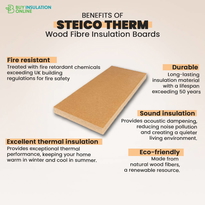
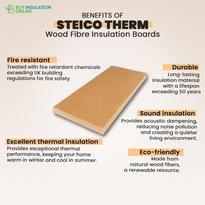
Wood fibre internal wall insulation is crafted from recycled wood materials such as sawdust and wood chips, making it an environmentally friendly option. This type of insulation significantly enhances energy efficiency by providing excellent thermal performance, thereby reducing heat loss.
Moreover, it effectively manages moisture by absorbing and releasing humidity, which helps prevent dampness and improves indoor air quality. The fibrous structure of wood fibre insulation also offers impressive soundproofing capabilities, creating a quieter living environment.
The sustainable design of wood fibre insulation not only benefits the environment but also contributes to the overall comfort of buildings. By opting for this eco-conscious solution, homeowners can enjoy a warmer, healthier, and more peaceful home.
Composition and Environmental Benefits of Wood Fibre Insulation
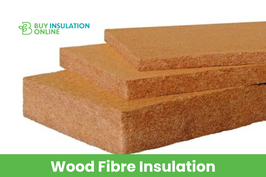
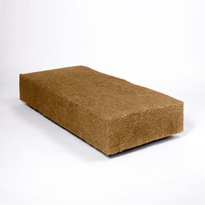
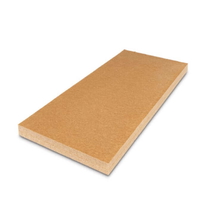
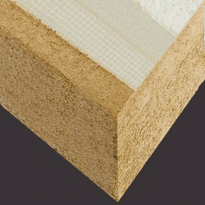
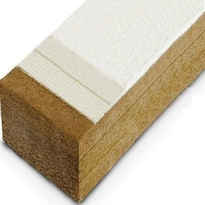
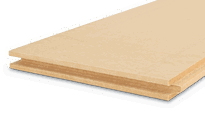
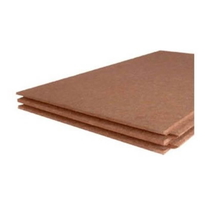
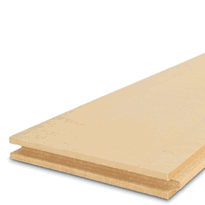
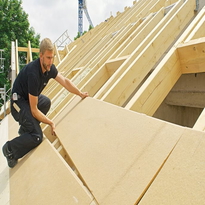
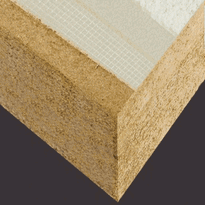
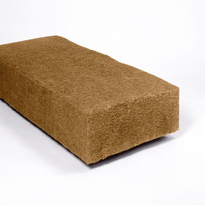
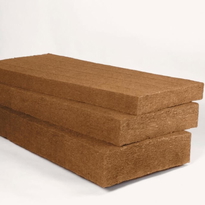
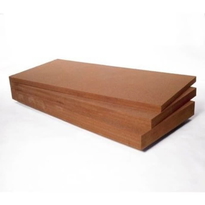
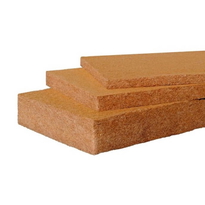
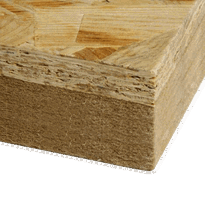
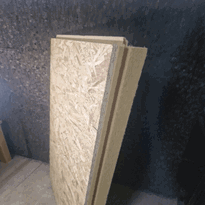
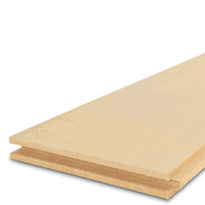
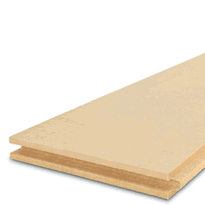
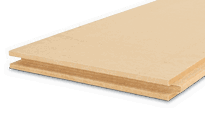
Wood fibre insulation is primarily composed of recycled wood waste, including sawdust, wood chips, and off-cuts from the timber industry. This insulation is produced by grinding these wood by-products into fibres and combining them with natural binders to form rigid boards or flexible batts. The resulting panels strike a fine balance between insulation performance, strength, and water resistance. Certain variations may include cement-bonded particle boards or OSB3 facings, which provide additional structural support and facilitate easier installation. Notably, wood fibre insulation is free from harmful chemicals, biodegradable, and recyclable, making it a sustainable choice for eco-conscious builders. Its natural composition aligns with sustainable practices by utilising recycled wood, thereby reducing waste and contributing to lower environmental impact in building projects. This makes wood fibre insulation an excellent option for those seeking to enhance the energy efficiency of their homes while prioritising environmental responsibility. It also has excellent breathability properties, helping to regulate humidity levels within the building envelope.
Thermal Performance and Energy Efficiency Advantages
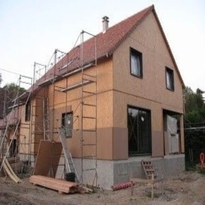
Interior wood fibre insulation panels provide significant enhancements in thermal resistance and energy efficiency. With a typical density of around 160 kg/m³, these panels deliver effective insulation while minimising wall thickness, thereby saving valuable space. They can achieve impressive U-values that comply with high building standards for thermal performance. Insulation materials are selected based on their ability to effectively prevent heat transfer, and wood fibre panels excel in this area due to their porous structure. One of their key advantages is the ability to store and release heat, which helps to stabilise indoor temperatures. This feature reduces energy consumption for heating during the colder months and cooling in the summer, contributing to lower utility bills. Installing these panels on interior walls presents a cost-effective solution to improve insulation, particularly when external modifications to the building are restricted. This approach doesn't compromise the structure or aesthetics of the property. The versatility of these boards makes them compatible with various wall types, making them suitable for both retrofitting existing buildings and new constructions. This supports a transition towards energy-efficient and comfortable living and working environments.
Moisture Management and Indoor Climate Improvement
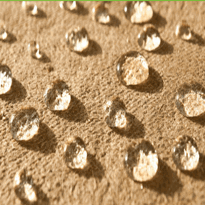
Moisture management is vital for maintaining a healthy indoor climate, particularly when utilising wood fibre insulation. This insulation type serves as an effective moisture buffer, absorbing excess humidity when levels rise and releasing it when conditions dry out, thereby helping to maintain balanced indoor air quality. Its vapour permeability facilitates the passage of moisture vapour through walls, effectively preventing condensation on masonry surfaces. Wet-processed boards are particularly proficient in capillary transport, effectively drawing liquid moisture away and enhancing durability while reducing the risk of mould growth. While dry-processed boards may be less effective in moisture movement, they still play a role in moderate moisture regulation. The thickness of insulation and the orientation of walls can influence moisture risk, yet overall, wood fibre's high moisture storage capacity provides a safer and more breathable wall system. This not only enhances indoor comfort but also mitigates structural damage caused by excessive humidity. Surface moisture transport capabilities also help prevent the buildup of dampness, further contributing to the longevity of building structures.
Acoustic Properties and Soundproofing Capabilities
Wood fibre insulation boards boast dense, fibrous structures that effectively absorb both airborne and impact noise, significantly reducing sound transfer between rooms and floors.
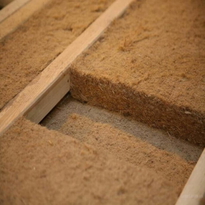
Their substantial weight and porosity enhance their capability to dampen vibrations and sound waves, contributing to a quieter indoor environment. When installed snugly around framing, they minimise gaps that might permit sound leakage, further bolstering soundproofing efficacy.
This combination of features makes wood fibre insulation an excellent choice for those seeking to enhance acoustic comfort in their homes or commercial spaces.
Its natural composition not only aids in sound dampening but also promotes a healthier indoor atmosphere, aligning with sustainable building practices.
Superior Sound Absorption
Wood fibre insulation is renowned for its superior sound absorption properties, making it a highly regarded choice for improving acoustic performance in internal walls.
Its high density significantly dampens vibrations and effectively absorbs airborne sound. The porous structure of wood fibres captures sound waves, which aids in reducing echo and reverberation within spaces.
The insulation's flexibility enables it to fit snugly into wall cavities, preventing any gaps that could allow sound leakage. Its ability to decelerate sound waves also limits noise transfer between rooms, resulting in a quieter and more comfortable environment.
When compared to other eco-friendly materials, wood fibre insulation often delivers enhanced noise reduction, establishing it as a preferred option for those seeking natural yet effective soundproofing solutions in their homes and workplaces. Natural material offers a sustainable alternative with excellent acoustic properties, making it ideal for green building projects.
Impact Noise Reduction
The impact noise reduction properties of wood fibre insulation stem from its unique blend of high density and porous structure. This dense composition enhances sound mass, effectively dampening vibrations generated by footsteps or dropped objects. The substantial, fibre-rich structure absorbs impact energy, preventing it from transmitting through walls and floors.
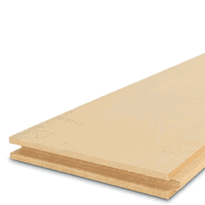
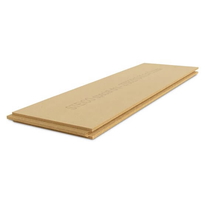
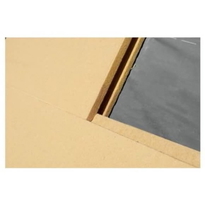
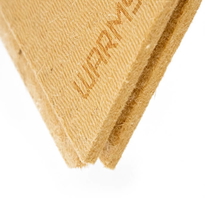
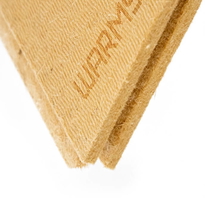
Moreover, the porous nature of the material captures and dissipates vibrational energy, further diminishing noise transfer. When installed snugly against the framing, it reduces gaps that might allow sound to bypass the insulation. The interlocking tongue and groove design promotes seamless joints, minimising potential noise leaks.
When combined with additional soundproofing techniques, such as resilient channels, wood fibre insulation significantly enhances impact noise control. This makes it an excellent choice for creating quieter, more tranquil living environments.
Considerations for Installation and Practical Application
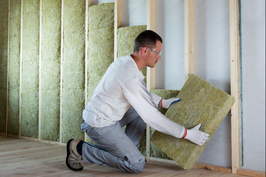
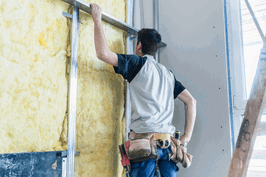
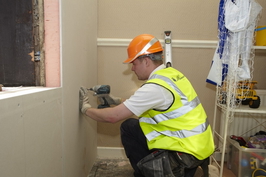
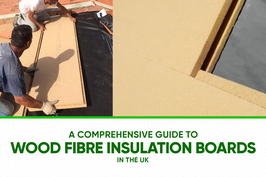
Proper installation of wood fibre internal wall insulation necessitates meticulous planning and attention to detail at every stage.
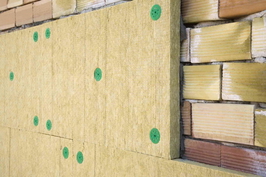
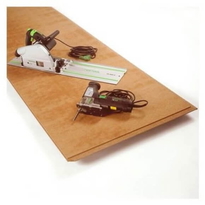
Initially, ensuring that surfaces are clean, dry, and devoid of loose materials is vital for good adhesion. Addressing any cracks and managing wall curvature with mechanical fixings is essential for achieving a flat, stable surface.
Key considerations include:
Utilising appropriate adhesives and mechanical fixings, such as thermally broken fasteners, to enhance stability, particularly on uneven walls.
Fitting boards snugly in a staggered pattern, filling any gaps with lime plaster as required, and avoiding compression to maintain the insulation's effectiveness. Wood fibre batt insulation is known for its compressibility, which helps in achieving a tight fit.
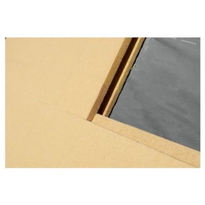
Ensuring airtightness by applying membranes, tapes, and overlaps diligently around joints, services, and fixtures.
Sustainability and Long-Term Impact
Wood fibre insulation is produced from renewable wood sources sourced from sustainably managed forests, thereby reducing reliance on fossil fuel-based materials. The manufacturing process captures and stores carbon dioxide that trees absorb during their growth, contributing to a reduction in overall greenhouse gas emissions. Furthermore, by utilising sawmill waste and recycled wood, this approach promotes a circular economy, making wood fibre insulation a sustainable choice that supports long-term environmental health. This process also minimizes manufacturing waste and ensures that the product has a lower environmental footprint from production to disposal. This insulation not only enhances energy efficiency in buildings but also provides excellent thermal performance and sound insulation, making it an ideal option for homeowners and builders alike. By opting for wood fibre insulation, individuals can significantly contribute to a greener future, embracing sustainable practices that benefit both the planet and future generations.
Renewable Material Benefits
Sustainable sourcing and responsible forest management make wood fibre insulation a highly renewable material. It's derived from natural wood fibres harvested from forests that adhere to strict sustainability practices, ensuring a continuous supply without harming ecosystems.
Furthermore, the manufacturing processes involved have minimal environmental impact compared to synthetic or fossil fuel-based alternatives. Some products even claim to have carbon-negative footprints, primarily due to sustainable sourcing and efficient processing methods.
By utilising byproducts and residues from timber processing, waste is significantly reduced, promoting resource efficiency. These practices not only support certified forestry but also bolster reforestation efforts, aiding in the preservation of healthy forests for future generations.
Renewable raw material supply from managed forests.
Reduction of waste through the utilisation of processing byproducts.
Support for sustainable forest ecosystems through responsible practices.
Carbon Sequestration Impact
Wood fibre insulation plays a vital role in capturing and storing carbon within buildings, contributing to long-term environmental advantages. It retains carbon absorbed during the growth of trees, aiding in the offsetting of emissions. Some products even feature carbon-negative manufacturing, meaning they sequester more carbon than they emit throughout their lifecycle. When incorporated into walls, this insulation effectively locks in carbon for decades, delaying its release into the atmosphere.
However, the disposal at the end of life can result in some carbon release. Fortunately, the biodegradable nature of wood fibres allows for reuse or composting, which helps to minimise emissions. Proper forest management is crucial to maintaining these benefits, as overharvesting can diminish carbon sequestration. Overall, wood fibre insulation presents an eco-friendly option for promoting long-term carbon storage and sustainability.
Aspect |
Impact |
Consideration |
| Carbon Storage | Retains carbon absorbed during tree growth | Relies on effective forest management |
| Lifecycle Emissions | Generally lower than synthetic insulations | Production and disposal affect the balance |
| End-of-Life Disposal | May release some carbon, yet recyclable and biodegradable | Reuse or composting extends carbon sequestration |
| Building Integration | Seals in carbon for decades | A longer lifespan enhances benefits |
| Environmental Benefit | Contributes to a reduced carbon footprint | Sustainable practices are essential |
Conclusion
Wood fibre internal wall insulation provides a range of environmentally friendly advantages, including enhanced thermal performance and effective moisture control. It significantly improves energy efficiency, contributing to lower heating expenses, while also offering soundproofing and fostering a healthier indoor environment.
While installation necessitates careful planning, its sustainability and enduring durability position it as a practical choice for eco-conscious building initiatives.
In summary, wood fibre insulation merges ecological benefits with functional advantages, making it a dependable option for enhancing indoor comfort and achieving energy savings.
Featured Articles on Wood fibre internal wall insulation