
- Blogs
- Building Materials and Their Impact on Wildlife: A Comprehensive UK Guide
Building Materials and Their Impact on Wildlife: A Comprehensive UK Guide

-
The Problem: The UK construction industry is a major driver of biodiversity loss, responsible for habitat destruction, fragmentation, and pollution. The extraction of conventional materials like concrete, steel, and unsustainable timber causes significant "embodied ecological impacts" globally, destroying habitats far from the UK building site.
-
The Materials: Conventional materials like concrete and steel involve quarrying and mining that destroy landscapes and pollute water. Sustainable alternatives like certified timber, hempcrete, and sheep's wool insulation offer lower impacts and can even provide environmental benefits.
-
The Solutions: Best practices involve integrating nature into design from the start. This includes creating new habitats with features like swift bricks, bat boxes, green roofs, and sustainable drainage systems (SuDS).
-
The Law: In the UK, wildlife is protected by powerful legislation, primarily the Wildlife and Countryside Act 1981, which makes it illegal to harm protected species like bats or nesting birds. In England, the new Biodiversity Net Gain (BNG) mandate requires most developments to leave nature in a measurably 10% better state than before.
Introduction: Building a Future for Britain's Wildlife
The United Kingdom, a nation celebrated for its green and pleasant land, is facing a profound ecological crisis. Centuries of industrialisation, agriculture, and urban expansion have left their mark, making the UK one of the most nature-depleted countries in the world. Wildlife populations have seen sharp declines, with one in ten species in England now on the brink of extinction. Within this complex picture, the built environment plays a pivotal and often paradoxical role. It is both a primary driver of this historical decline and, increasingly, a sector with the potential to lead a bold and necessary reversal.
The construction industry's footprint is immense. Globally, the sector is responsible for as much as 30% of biodiversity loss, driven by the relentless extraction of raw materials. In the UK, the industry accounts for 55% of all materials used, while construction, demolition, and excavation generate almost two-thirds of the nation's total waste. Every new home, road, and commercial building places a strain on the natural world, from the local habitats they displace to the distant ecosystems mined for their components.
This guide explores the intricate relationship between the materials we use to build our world and the wildlife we share it with. It moves beyond a simple acknowledgement of the problem to offer a comprehensive overview of the solutions. By examining the true environmental cost of conventional materials, showcasing innovative and sustainable alternatives, and navigating the UK's progressive regulatory landscape, a new path emerges. It is a path where the built environment can transition from a model of extraction and destruction to one of regeneration and co-existence. Through informed material selection, intelligent design, and a commitment to working with nature, we can begin to build a future that provides homes not just for people, but for the rich and varied wildlife that defines the British Isles.
Section 1: The True Footprint of Construction on UK Wildlife
The impact of construction on wildlife extends far beyond the immediate perimeter of a building site. It is a complex web of direct and indirect consequences that permanently alters landscapes, pollutes ecosystems, and disrupts the delicate balance of the natural world. To build more responsibly, it is essential first to understand the full scale and multifaceted nature of this footprint.
Habitat Loss and Fragmentation: The Primary Impact
The most direct and irreversible impact of any development is the physical loss of habitat. When woodlands are cleared, grasslands are paved over, or ponds are filled in, the spaces that wildlife need to live, feed, and breed are permanently removed. In Great Britain, thousands of square kilometres of grassland and farmland have been lost to urban development since 1990, representing a catastrophic loss for countless species.
This destruction is not just about the total area lost; it is also about how the remaining habitats are configured. Large-scale infrastructure projects, such as new motorways or high-speed rail lines, act like scalpels, cutting through the landscape and carving up once-continuous habitats into smaller, isolated fragments. This process, known as fragmentation, is deeply damaging. It severs the ecological corridors that animals use to move between feeding and breeding grounds, effectively creating isolated "islands" of nature. For species with specific territorial needs or limited mobility, these barriers can prevent them from finding mates, leading to genetic isolation, inbreeding, and an increased risk of local extinction. The future survival of species like the otter and the dingy skipper butterfly has been jeopardised by such projects, which divide and disrupt their essential habitats.
Beyond the Building Site: Pollution, Disturbance, and Barrier Effects 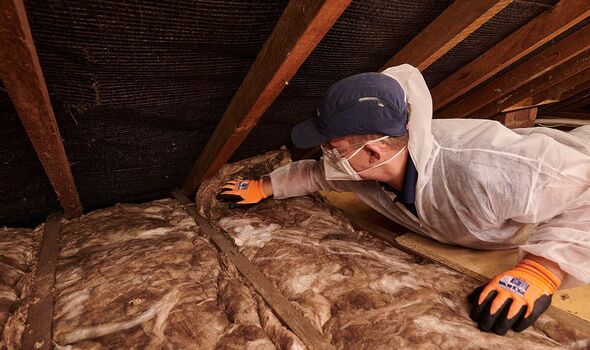
The environmental damage caused by a construction project radiates outwards, creating a "halo" of negative effects that can be felt far beyond the site's boundaries.
Pollution is a pervasive issue. During the construction phase, runoff from the site can carry silt, chemicals, and other contaminants into nearby streams and rivers, degrading water quality and harming aquatic life. Once a development is complete, increased traffic contributes to air pollution, while runoff from roads and buildings can continue to wash pollutants into the water system. This pollution can have far-reaching consequences, affecting ecosystems and wildlife a considerable distance away from the original development.
Disturbance from noise and light is another significant factor. The constant noise from machinery during construction can cause chronic stress in wildlife, disrupting their natural behaviours and communication. Animals may be forced to abandon an area, leading to increased competition for resources elsewhere. After construction, the introduction of artificial lighting is particularly harmful to nocturnal species. Streetlights can disorient creatures like bats and moths, disrupting their foraging patterns and making them more vulnerable to predators.
Finally, the infrastructure itself creates powerful Barrier Effects. Roads and railways are not just lines on a map; they are formidable physical and psychological obstacles for many animals. These barriers prevent the free movement of wildlife, leading to a higher incidence of road deaths and further contributing to the genetic isolation of populations trapped on either side.
The Hidden Cost: Understanding Embodied Ecological Impacts
While the local impacts of construction are often visible and debated, a far larger and more insidious form of environmental damage occurs thousands of miles away, long before a single brick is laid in the UK. This is the concept of "embodied ecological impacts"—the total effect on ecosystems caused by the extraction, processing, and transportation of building materials.
The modern construction industry relies on globalised supply chains. The iron ore for steel, the bauxite for aluminium, and the timber for structural frames are often sourced from countries around the world. This means that the environmental cost of a building in Britain is frequently "offshored" to ecologically sensitive regions, including biodiversity hotspots like the Amazon rainforest. The unsustainable mining, quarrying, and logging required to produce these materials drive deforestation, pollute watercourses, and cause untold habitat loss on a global scale.
The scale of this issue is staggering. The built environment is responsible for half of all material extraction worldwide, with some 100 billion tonnes of raw material taken from the planet every year. This hidden footprint represents a fundamental challenge. A project can follow all local environmental guidelines, carefully protecting the trees and ponds on its site, yet still be responsible for vast and unregulated ecological destruction elsewhere through its choice of materials. Addressing the biodiversity crisis in the UK therefore requires a shift in perspective—one that acknowledges that the true environmental cost of a building is the sum of both its local and its global impacts. Without this holistic view, we risk solving one part of the problem while actively worsening another.
Section 2: Problematic Materials: A Closer Look at the Conventional Palette
The abstract concept of embodied ecological impact becomes tangible when examining the lifecycle of the conventional materials that form the backbone of modern UK construction. Concrete, steel, and unsustainably sourced timber, while valued for their structural properties, each carry a significant and often hidden environmental cost that contributes to biodiversity loss both at home and abroad.
Concrete and Aggregates: The Enduring Legacy of Extraction
Concrete is the most widely used construction material on the planet, and the UK uses an estimated 37.5 million cubic metres of it every year. Its production, however, is fundamentally tied to large-scale landscape alteration and pollution.
The primary ingredient in cement, the binder for concrete, is limestone. This is typically extracted through open-pit quarrying, a process that involves stripping away all vegetation and topsoil to reach the ore beneath. This method results in the complete destruction of the existing habitat, which can be particularly damaging when the limestone forms the basis of specific, hard-to-restore ecosystems. While UK planning and environmental legislation mandates the rehabilitation of these sites after use, and this can sometimes create new habitats on previously poor-quality land, this does not negate the initial act of destruction. The process of restoring a complex, mature ecosystem can take decades or even centuries, and the biodiversity value of the new habitat may never match that of the original. This highlights a critical nuance: best practice for a fundamentally destructive process still results in destruction. Regulation can mitigate the worst long-term outcomes, such as leaving a permanent scar on the landscape, but it cannot erase the initial, profound loss of a natural habitat.
The other key components of concrete are aggregates—sand and gravel. The dredging of these materials from riverbeds and seabeds is one of the most damaging forms of extraction. It physically destroys aquatic and marine ecosystems, disrupting food chains and leading to a significant loss of biodiversity. The process also stirs up sediment, which lowers water quality and can smother habitats far downstream from the dredging site. Furthermore, the manufacturing of cement is an energy-intensive process that is a major source of air pollution.
Steel: A Global Supply Chain of Environmental Damage
The UK construction industry uses over 800,000 tonnes of steel annually, a material prized for its strength and durability. However, its raw materials—primarily iron ore and coal—are sourced from a complex and often opaque global supply chain, making it difficult to fully assess its environmental footprint.
What is known is that the mining of iron ore and coal has been shown to cause significant damage to both marine and land habitats and to pollute groundwater. Like limestone quarrying, iron ore mining often takes place in vast open pits, frequently in remote and ecologically diverse regions. The creation of associated infrastructure, such as roads and power lines needed to service these mines, leads to further habitat destruction and increases human interference in previously pristine areas. The production process itself, which largely occurs in the UK for the steel used here, is a source of both air and water pollution, as is the process of preparing steel for recycling.
Unsustainably Sourced Timber: The Cost to Global Forests and Biodiversity
Timber stands apart from steel and concrete as a renewable resource, but its sustainability is entirely dependent on how it is managed. When sourced from poorly managed or illegal logging operations, its impact can be devastating.
Unsustainable timber harvesting involves clearing large areas of forest, which destroys complex ecosystems that are key habitats for a vast range of species. The removal of the tree canopy leaves the soil exposed and prone to erosion, while the use of heavy machinery compacts the ground, degrading soil health and preventing regeneration. This disruption extends to the wider environment. Forests are crucial regulators of the water cycle; their removal disrupts water retention, leading to an increased risk of both flooding and drought in the surrounding region. The choice to use cheap, uncertified timber in a UK construction project can therefore be a direct contributor to the destruction of the world's most vital and biodiverse forest habitats.
Buy Building Materials


Section 3: Building for Nature: A Guide to Wildlife-Friendly Materials
The move towards a more sustainable built environment requires a fundamental shift in our material palette, moving away from a reliance on high-impact, extractive resources towards those that are renewable, recycled, or regenerative. A new generation of building materials offers the opportunity not just to do "less bad," but in some cases, to be "actively good" for the environment and its wildlife.
Sustainably Sourced Timber: The Gold Standard for Structural Use
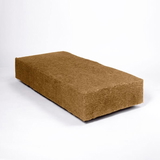
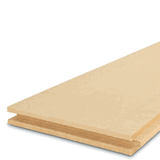
Timber, when sourced responsibly, is one of the most environmentally friendly structural materials available. Unlike concrete and steel, which have a high carbon footprint, timber is a natural carbon store. Trees absorb carbon dioxide from the atmosphere as they grow, and this carbon remains locked within the wood for the lifetime of the building. A building constructed from timber can therefore act as a carbon sink, actively helping to combat climate change.
The key to unlocking these benefits lies in robust certification schemes. The two most recognised standards in the UK are the Forest Stewardship Council (FSC) and the Programme for the Endorsement of Forest Certification (PEFC). Timber from certified sources is guaranteed to come from forests that are managed in an ecologically sensitive manner. These schemes prohibit the conversion of forests to monoculture plantations, restrict the use of harmful pesticides, and require management plans that protect biodiversity and maintain the forest as a rich and thriving habitat. By specifying FSC or PEFC certified timber, designers and builders can ensure they are supporting responsible forestry and not contributing to global deforestation.
Hempcrete: A Carbon-Negative Solution for Healthier Buildings and Ecosystems
Hempcrete represents a paradigm shift in building materials. It is not merely sustainable; it is regenerative. Made from a mixture of hemp hurd (the woody core of the plant), a lime-based binder, and water, hempcrete is a lightweight, insulating material with a remarkable environmental profile.
Its primary benefit is that it is "better-than-zero-carbon". The hemp plant is a fast-growing crop that absorbs a significant amount of CO2 during its short cultivation cycle. This process of carbon sequestration is so efficient that it outweighs the carbon emissions associated with producing the lime binder and constructing the building, resulting in a material that has a net negative carbon footprint.
Crucially, the benefits of hemp extend beyond carbon to actively supporting UK biodiversity. Hemp is a naturally pest-resistant and weed-suppressant plant, which means it can be grown with minimal or no chemical fertilisers and pesticides. This is hugely beneficial for farmland ecosystems. The reduction in pesticide use helps protect fragile populations of pollinating insects, such as bees and butterflies. Furthermore, the tall, dense structure of the hemp crop provides ideal cover for farmland birds, offering them shelter and access to an abundant source of insect food in a safe, chemical-free environment. Therefore, specifying hempcrete for a building project creates a direct market demand for a type of agriculture that actively restores and enhances biodiversity on British farms. The choice of this material becomes a tool for ecological regeneration.
In addition to its environmental credentials, hempcrete offers excellent building performance. It is a highly effective thermal insulator, creating energy-efficient buildings that require less heating and cooling. Its vapour-permeable, or "breathable," nature allows it to regulate indoor humidity, preventing condensation and mould growth and contributing to a healthier living environment. It is also naturally fire-resistant.
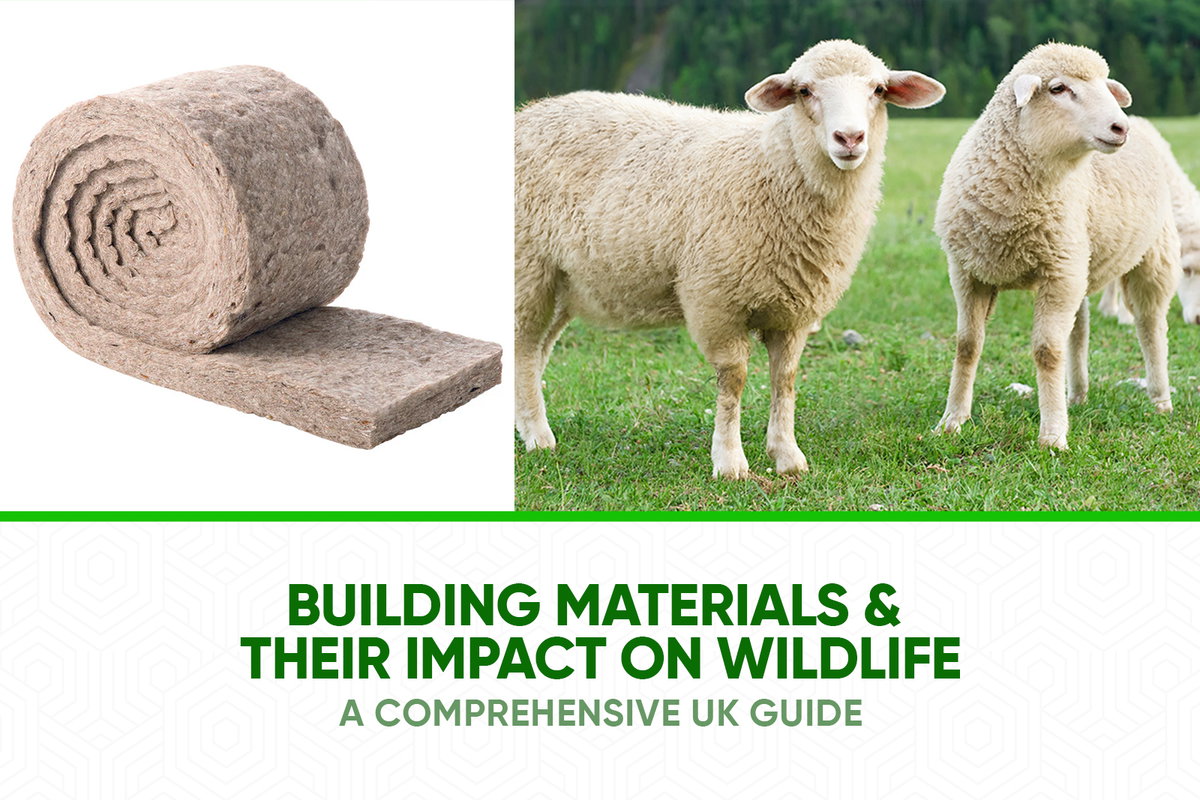
Sheep's Wool Insulation: A Natural, Renewable, and High-Performing Choice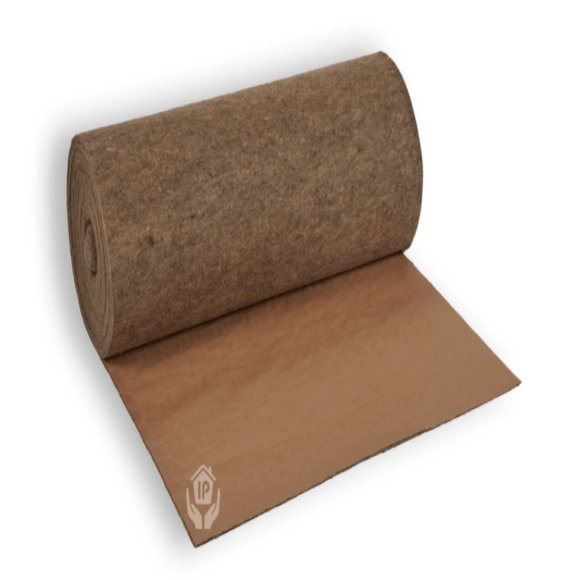
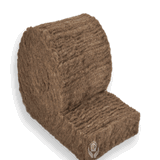
For insulation, sheep's wool offers a natural and highly effective alternative to conventional synthetic foams or mineral wools. It is a completely renewable and sustainable raw material that is produced domestically across the UK. The energy required to process raw wool into insulation is a fraction of that needed for manufactured alternatives, giving it a very low embodied energy.
Sheep's wool possesses unique properties that make it an excellent insulator. The natural crimp of the wool fibres creates millions of tiny air pockets, which trap air and slow the transfer of heat, keeping buildings warm in winter and cool in summer. It is also hygroscopic, meaning it can absorb and release moisture from the air without its thermal performance being affected. This "breathability" helps to regulate humidity and prevent the buildup of damp and mould within the building structure, creating a healthier indoor air quality. Furthermore, sheep's wool is naturally flame-retardant; it will only char in the event of a fire and does not release hazardous fumes. At the end of its long life, natural wool insulation is also fully biodegradable and can be composted.
Innovations in Green Materials: A Brief Overview
Beyond these key materials, a range of other sustainable options are available, often reviving traditional building techniques or utilising modern recycling technology.
-
Cob: A traditional material made from a mixture of subsoil, sand, straw, and sometimes lime. It has almost zero embodied carbon, is strong and durable, and can be sourced locally.
-
Rammed Earth: This technique involves compacting a mixture of soil, sand, clay, and a stabiliser into formwork to create solid, durable walls. It has a very low carbon footprint and excellent thermal mass.
-
Recycled Materials: The use of recycled steel, plastic, and glass reduces the demand for virgin resource extraction and diverts waste from landfill. Recycled steel, for example, dramatically lowers the environmental impact compared to primary steel production.
The following table provides a comparative overview of these materials, summarising their ecological impacts and key considerations for their use in the UK.
Material |
Primary Source/Extraction Method |
Key Wildlife & Habitat Impacts |
UK Context & Key Considerations |
| Concrete | Limestone Quarrying, Sand/Gravel Dredging | Complete habitat destruction at quarry sites; destruction of marine/riverbed ecosystems; water and air pollution. | High domestic use. Extraction is regulated, but still destructive. Rehabilitation is mandatory but takes a long time. |
| Steel | Iron Ore and Coal Mining (Global) | Habitat destruction in often remote, biodiverse areas; groundwater pollution; air and water pollution from manufacturing. | Complex global supply chain makes impacts hard to trace. Recycling significantly reduces impact. |
| Unsustainable Timber | Uncertified/Illegal Logging (Global) | Deforestation; destruction of complex forest ecosystems; soil erosion; disruption of water cycles. | A major driver of global biodiversity loss. Avoidance is critical; certification is the only guarantee of sustainability. |
| Sustainable Timber | Certified Forestry (FSC/PEFC) | Ecologically sensitive management maintains the forest as a rich habitat; pesticide use is restricted; monocultures are prevented. | Gold standard for structural use. Stores carbon. Certification is essential to ensure positive outcomes. |
| Hempcrete | Hemp Farming | Carbon-negative. Pesticide-free cultivation supports pollinators; provides safe cover and food for farmland birds. | Actively improves UK farm biodiversity. Excellent thermal and moisture-regulating properties for healthier buildings. |
| Sheep's Wool | Sheep Farming | Low-impact, renewable resource. Supports UK agriculture. Biodegradable at end of life. | Natural, high-performing insulation. Low embodied energy. Excellent moisture management. |
Section 4: Best Practices in Wildlife-Conscious Construction
Choosing the right materials is only half the battle. To create buildings that genuinely support nature, wildlife considerations must be integrated into every stage of the design and construction process. This involves a shift in mindset, from viewing a site as a blank canvas to seeing it as a living ecosystem that can be protected, enhanced, and connected.
Designing with Nature: Integrating Habitats from the Outset
The most effective and cost-efficient way to protect wildlife is to plan for it from the very beginning. Before any designs are drawn up, a preliminary ecological assessment should be carried out by a qualified professional. This survey will identify any existing habitats of value on the site—such as mature trees, hedgerows, ponds, or species-rich grassland—and determine if any legally protected species are present.
This information is crucial for applying the first and most important principle of the "mitigation hierarchy": avoidance. Rather than clearing a site completely, the development's layout can be designed to work around and retain these valuable features. Keeping a mature oak tree, for example, preserves a complex micro-habitat that may support hundreds of species, a value that a newly planted sapling could not replace for a century. This approach ensures that the development's impact is minimised from the outset.
Creating Homes for Wildlife: Swift Bricks, Bat Boxes, and Bee Bricks
Many of the UK's most beloved species, such as swifts, house martins, starlings, and several species of bat, have adapted over centuries to live alongside humans, using cavities in old buildings for nesting and roosting. However, modern construction methods tend to create perfectly sealed, impenetrable buildings, leading to a dramatic loss of these crucial habitats and contributing to the decline of these species.
A simple and highly effective solution is to integrate purpose-built homes for wildlife directly into the fabric of new buildings. These "habitat bricks" are designed to the size of a standard brick or block and can be seamlessly incorporated into walls and facades.
-
Swift Bricks: These provide the high, enclosed nesting cavities that swifts require to breed after their long migration from Africa.
-
Bat Boxes or Bricks: These offer safe, dark crevices for bats to roost in, away from predators and disturbance.
-
Bee Bricks: These contain a series of narrow tubes that provide nesting sites for solitary bees, which are vital pollinators.
These features are low-cost, easy to install, and provide essential real estate for urban wildlife. For them to be effective, careful placement is key. Swift bricks should be installed high up on a building, under the eaves, while bat boxes should be located away from sources of artificial light and in clusters to offer a range of temperature conditions.
Connecting the Landscape: Green Roofs, Living Walls, and Wildlife Corridors 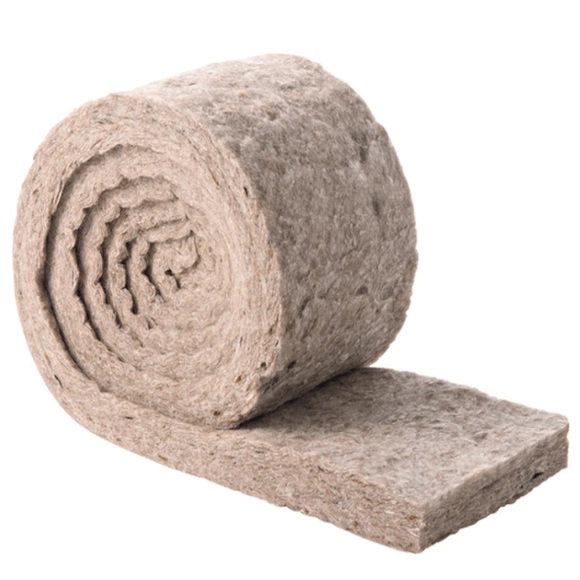
In urban and suburban environments, green spaces are often fragmented. Wildlife-conscious design aims to stitch these fragments back together, creating a connected network that allows animals to move safely across the landscape.
Green Roofs are one of the most powerful tools for achieving this. A roof covered in vegetation can transform an otherwise sterile surface into a thriving new habitat. These "living roofs" provide foraging grounds for birds, a home for invertebrates like bees and butterflies, and can even support rare plant species. For maximum biodiversity benefit, green roofs should be planted with a mix of native wildflowers and grasses, which are best adapted to support local wildlife. Beyond their habitat value, green roofs offer numerous other advantages. They absorb rainwater, reducing pressure on drainage systems and lowering flood risk; they improve a building's thermal performance, reducing energy bills; and they help to cool the surrounding air, mitigating the "urban heat island" effect.
Wildlife Corridors are another essential component. These are linear features, such as hedgerows or vegetated pathways, that link larger green spaces. On a smaller scale, a simple but highly effective measure is the creation of "hedgehog highways." These are small, 13cm by 13cm holes cut into the base of garden fences, which allow hedgehogs—a species in steep decline—to roam freely between gardens in their search for food, mates, and nesting sites.
Managing Water for Wildlife: Sustainable Drainage Systems (SuDS)
Conventional drainage systems are designed to get rid of rainwater as quickly as possible, channelling it into pipes and sewers. Sustainable Drainage Systems (SuDS) take the opposite approach, aiming to manage surface water runoff in a way that mimics natural processes.
SuDS features can include ponds, swales (shallow, vegetated channels), and rain gardens (depressions planted with water-tolerant species). These features slow down the flow of water, allowing it to be naturally filtered by soil and plants, which reduces pollution and recharges groundwater. This approach to engineering provides a powerful co-benefit for wildlife. A developer who specifies SuDS to meet flood risk regulations is, at the same time, creating a valuable new wetland ecosystem. These areas can quickly become rich habitats, attracting a wide array of wildlife, including amphibians like frogs and newts, dragonflies, and various bird species. This reframes wildlife-friendly design not as an additional cost, but as an integrated outcome of intelligent, sustainable engineering.
On-Site Conduct: Minimising Harm During the Construction Phase
Even with the best designs, significant harm can be done to wildlife during the construction phase itself if proper procedures are not followed. A robust Construction Environmental Management Plan (CEMP) is essential.
-
Timing of Works: One of the most critical considerations is timing. In the UK, the bird nesting season generally runs from February to August. It is a criminal offence to disturb an active bird's nest, so any work that could affect potential nesting sites, such as vegetation clearance, should be scheduled outside of this period. Similarly, works should be timed to avoid disturbing hibernating animals.
-
Biodiversity Protection Zones (BPZs): Any sensitive habitats that are being retained on site, such as woodland, hedgerows, or ponds, should be clearly marked and physically protected with robust fencing before any construction work begins. These BPZs prevent accidental damage from machinery, soil compaction, or the storage of materials.
-
Toolbox Talks: It is vital that all contractors working on site are aware of their legal responsibilities and the specific ecological sensitivities of the site. An ecologist should deliver regular "toolbox talks" to brief the workforce on what to look for and the procedures to follow if protected species are unexpectedly encountered.
Section 5: Navigating the UK's Legal and Regulatory Landscape
In the United Kingdom, the protection of wildlife is not just a matter of best practice; it is enshrined in robust legislation that carries significant legal penalties for non-compliance. For anyone involved in construction and development, a thorough understanding of this regulatory framework is not optional—it is an absolute necessity to avoid costly delays, fines, and even criminal prosecution.
An Overview of Key UK Wildlife Legislation
Several key pieces of legislation form the bedrock of wildlife protection in the UK. The most significant of these is the Wildlife and Countryside Act 1981, which provides the primary legal framework for the protection of native species and habitats. It is supplemented by other important laws, such as the Protection of Badgers Act 1992, which was introduced specifically to prevent cruelty to badgers, and the more recent Environment Act 2021, which has introduced transformative new requirements for development in England. It is a critical legal principle that holding a valid planning permission does not exempt a developer, architect, or contractor from their duties under these laws.
The Wildlife and Countryside Act 1981: Core Protections Explained
The Wildlife and Countryside Act 1981 is the cornerstone of wildlife law in Great Britain. Its provisions are strict and wide-ranging.
For wild birds, the Act makes it a criminal offence to intentionally kill, injure, or take any wild bird. Crucially for the construction industry, it is also an offence to take, damage, or destroy the nest of any wild bird while that nest is in use or being built, or to take or destroy its eggs. This is why the timing of site clearance and renovation works is so critical during the nesting season.
The Act provides even stricter protection for a list of species known as European Protected Species, which are listed on Schedule 5. The most commonly encountered of these on development sites are bats. All 18 species of bat found in the UK, and their roosts, are fully protected by law. It is illegal to intentionally or recklessly kill, injure, capture, or disturb a bat. Furthermore, it is an offence to damage, destroy, or obstruct access to any place that a bat uses for shelter or protection. This protection applies to bat roosts at all times, regardless of whether bats are present at the time of the works. Because bats often roost in the roofs and crevices of older buildings, a bat survey by a licensed ecologist is frequently a legal prerequisite for any renovation or demolition project.
The penalties for breaching this legislation are severe. Offences can result in fines of up to £5,000 per animal affected and/or a prison sentence of up to six months. These penalties underscore the importance of undertaking proper ecological surveys and obtaining the necessary licences from statutory bodies like Natural England before any work that could affect protected species begins.
Understanding Biodiversity Net Gain (BNG): The New Mandate for English Developments 
The Environment Act 2021 introduced a groundbreaking new policy that is reshaping the relationship between development and nature in England: mandatory Biodiversity Net Gain (BNG). Coming into force for most new developments in 2024, BNG moves beyond the traditional approach of simply minimising harm. It legally requires development to leave the natural environment in a measurably better state than it was before.
The core of the BNG policy is the 10% requirement. Using a statutory biodiversity metric, which calculates the value of a habitat based on factors like its size, quality, and type, a developer must demonstrate that their project will result in a habitat value that is at least 10% higher than the baseline value of the site before development. This gain must then be secured and managed for a minimum of 30 years, ensuring a long-term positive legacy for nature.
To achieve this, developers must follow a clear mitigation hierarchy:
-
On-site Gains: The primary goal is to achieve the 10% net gain within the boundaries of the development site itself. This can be done by retaining and enhancing existing habitats or creating new ones, such as wildflower meadows, woodlands, or ponds.
-
Off-site Gains: If it is not possible to achieve the full 10% gain on-site, developers can purchase "biodiversity units" from landowners elsewhere in England. This creates a market-based system where farmers and other land managers are paid to create, restore, and manage habitats for the long term.
-
Statutory Credits: As a final resort, if neither on-site nor off-site gains can be secured, developers can buy statutory biodiversity credits from the government, with the revenue being used to fund strategic habitat creation projects.
While BNG represents a significant step forward in making development in England more accountable for its local environmental impacts, it also exposes a profound gap in the UK's current regulatory approach. The BNG framework is designed to measure and address biodiversity changes within England. Its calculations are based entirely on the habitat value of the English development site and any off-site land, also in England. The policy does not, and currently cannot, account for the embodied ecological impacts of the building materials used in the project.
This creates a major contradiction. A developer can, in full compliance with the law, achieve a 10% biodiversity net gain on their local site while simultaneously using materials whose extraction caused a catastrophic net loss of biodiversity in another part of the world. The UK's flagship environmental regulation for construction has a critical blind spot: it addresses the final, local symptom of habitat loss but ignores one of the largest root causes—the global environmental damage embedded in our material supply chains.
Conclusion: From Net Loss to Net Gain
The construction industry is at a pivotal crossroads. For generations, the process of building has been intrinsically linked to the degradation of the natural world, contributing significantly to the UK's status as one of the most nature-depleted nations. The evidence is clear: from the direct destruction of local habitats to the hidden ecological damage embedded in global supply chains, the conventional approach to construction has exacted a heavy toll on wildlife.
However, a new and more hopeful path is emerging. This guide has charted a course from understanding the multifaceted nature of the problem to exploring the wealth of available solutions. We have seen that a conscious choice of materials can dramatically alter a building's footprint. By moving away from the extractive legacies of concrete and steel and embracing renewable and regenerative alternatives like certified timber and carbon-negative hempcrete, we can slash a project's environmental impact. The cultivation of hemp, for instance, shows that the very production of our building materials can be a force for ecological good, actively enhancing biodiversity on UK farmland.
Furthermore, best practices in design and construction demonstrate that development does not have to come at the expense of wildlife. By integrating nature from the outset—retaining mature trees, installing swift bricks and bat boxes, creating green roofs and sustainable drainage systems—we can design buildings and communities that provide homes for both people and nature. These are not niche, add-on features; they are increasingly recognised as essential components of intelligent, resilient, and sustainable design.
This transition is being accelerated by a strengthening regulatory landscape. Laws like the Wildlife and Countryside Act 1981 provide a crucial protective backstop for our most vulnerable species, while the introduction of mandatory Biodiversity Net Gain in England signals a fundamental shift in ambition—from merely mitigating harm to actively delivering a positive outcome for nature.
Yet, challenges remain. The critical gap in policy, which currently overlooks the vast embodied ecological impacts of materials, highlights the need for a more holistic approach. True sustainability requires us to consider the entire lifecycle of our buildings and their components, from cradle to grave. The journey from a net loss to a true net gain for biodiversity is complex, but it is no longer an abstract aspiration. It is an achievable, and increasingly regulated, reality. By embracing sustainable materials, wildlife-conscious design, and a deep respect for the legal frameworks that protect our natural heritage, the construction industry can transform itself from a driver of decline into a powerful agent of ecological recovery.
Legal Disclaimer
The information provided in this article is for general informational purposes only and is not intended to constitute legal, architectural, engineering, ecological, or professional specification advice. All information is provided in good faith; however, we make no representation or warranty of any kind, express or implied, regarding the accuracy, adequacy, validity, reliability, availability, or completeness of any information in this article.
Under no circumstance shall we have any liability to you for any loss or damage of any kind incurred as a result of the use of the information provided or reliance on any information provided. Your use of this article and your reliance on any information is solely at your own risk.
All construction and development projects are unique and subject to specific site conditions and complex regulatory requirements. You must consult with appropriately qualified and insured professionals—including but not limited to chartered architects, structural engineers, certified ecologists, and legal advisors—to obtain advice with respect to any particular issue or problem. Do not act or refrain from acting on the basis of any content included in this article without seeking the appropriate professional advice for your specific project. This content should not be used to specify materials or construction methods.

Samuel Hitch
Managing Director
Buy Insulation Online.
Leave A Reply
Your feedback is greatly appreciated, please comment on our content below. Your email address will not be published. Required fields are marked *