
- Blogs
- A Comprehensive Guide to Multifoil Insulation in the United Kingdom
A Comprehensive Guide to Multifoil Insulation in the United Kingdom


TLDR
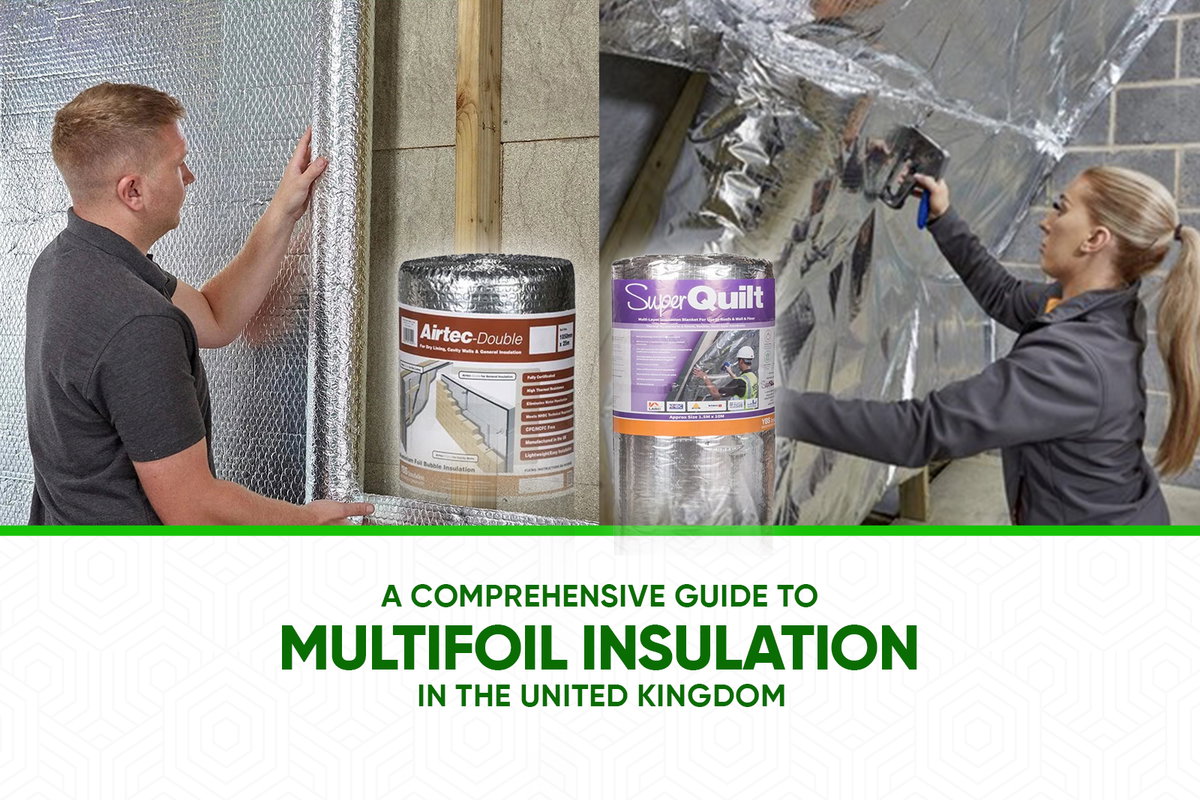
Multifoil insulation has become a primary solution for thermal management in the United Kingdom, particularly as building regulations tighten under Approved Document L. This material utilises multiple layers of reflective foils and wadding to address radiation, conduction, and convection. It is especially beneficial for retrofitting older British housing where space is limited, such as loft conversions, solid wall upgrades, and suspended timber floors. Performance relies on maintaining unventilated air gaps to permit the low-emissivity surfaces to function as radiant barriers. When installed with high-quality foil tape, these products also provide a robust vapour control layer, mitigating the risk of condensation and damp in the UK's temperate climate.
The British Built Environment and the Evolution of Thermal Efficiency
The architectural landscape of the United Kingdom presents a unique set of challenges for energy efficiency. With a housing stock that is among the oldest in Europe, a significant portion of domestic dwellings consists of solid masonry walls, shallow roof rafters, and ventilated suspended floors. Historically, these structures relied on the thickness of materials like stone and brick to provide thermal mass, but they lacked the specific insulation layers required to meet modern standards. As energy prices and environmental concerns have intensified, the necessity for efficient retrofitting has moved to the forefront of the construction industry.
Traditionally, the UK construction sector relied on bulk insulation materials, such as mineral wool or glass fibre, which work by trapping air within their structure to slow conductive heat transfer. While effective, these materials require substantial depth—often up to 300mm in a loft—to achieve current regulatory targets. In the context of a Victorian terrace or a mid-century semi-detached home, such thickness is frequently impractical. The loss of habitable space, the reduction of headroom in loft conversions, and the necessity to move skirting boards or door frames during internal wall insulation have led to the widespread adoption of multifoil technology.
Multifoil insulation represents a technological shift, moving away from the "thickness equals performance" paradigm. By using multiple layers of reflective films and internal wadding, these products can achieve high levels of thermal resistance within a profile that is a fraction of the size of traditional alternatives. This development is not merely a matter of convenience; it is a response to the diverse housing stock where a one-size-fits-all approach is impossible to satisfy local building control requirements.
The Physics of Multifoil Technology and Heat Transfer Mechanisms
To understand the effectiveness of multifoil insulation, it is necessary to examine the three primary mechanisms of heat transfer: radiation, conduction, and convection. Traditional insulation materials are primarily designed to combat conduction and convection, often ignoring the significant role that radiation plays in heat loss from a building.
Radiant Heat and Low Emissivity 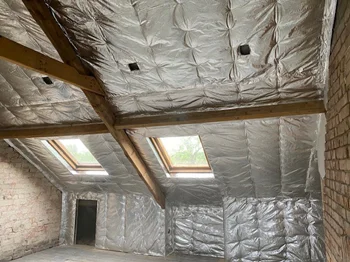
Thermal radiation is the transfer of energy through electromagnetic waves. In a typical British home, radiant heat accounts for a substantial portion of heat transfer across voids, such as the space between a ceiling and a roof deck. Multifoil insulation is specifically engineered to address this by using outer layers of aluminium foil or metallised film with an emissivity value of approximately 0.05.
Emissivity is a measure of a surface's ability to emit or reflect radiant energy. A surface with an emissivity of 0.05 reflects 95 per cent of the radiant heat that strikes it. By positioning these reflective surfaces adjacent to an unventilated air gap, the insulation bounces heat back into the interior during winter and prevents excessive solar gain in the summer. This characteristic is what allows a product of 40mm thickness to compete with mineral wool that is four to five times thicker.
Conduction and Convection Resistance
The internal core of a multifoil blanket consists of multiple layers of wadding—typically polyester or sheep's wool—interspersed with high-density foam or additional metallised films. These layers create thousands of microscopic pockets of static air. Since air is a poor conductor of heat, these pockets significantly reduce conductive heat transfer.
Convection, the movement of heat through air currents, is addressed by the physical barrier the multifoil provides. When the material is properly taped and sealed at all overlaps and perimeters, it creates an airtight envelope. This prevents cold draughts from entering the living space and stops warm air from leaking out through cracks and gaps in the building structure. This airtightness is a critical factor in reducing heating bills and improving the comfort of the occupants.
UK Building Regulations and U-value Targets
In the United Kingdom, building performance is governed by Approved Document L, which sets out the requirements for the conservation of fuel and power. These regulations have become increasingly stringent, with the 2022 updates setting high standards for both new builds and the refurbishment of existing thermal elements.
Regulatory Targets for Domestic Buildings
A U-value measures the rate of heat transfer through a specific element of a building. A lower U-value indicates better insulation performance. The targets set by the government ensure that dwellings are energy efficient and contribute to the national goal of reducing carbon emissions.
| Element Type | New Build Target (W/m2K) | Refurbishment / Extension Target (W/m2K) |
| Roof (Pitched or Flat) | 0.11 | 0.15 |
| External Wall | 0.18 | 0.18 |
| Floor | 0.13 | 0.18 |
Reaching a U-value of 0.15 for a roof refurbishment is a significant challenge in older buildings with shallow or irregular rafters. If a contractor were to use only rigid PIR (Polyisocyanurate) board, the required thickness would often exceed the rafter depth, necessitating either the raising of the roof height or a significant loss of internal space. This is particularly problematic in terraced properties or listed buildings where alterations to the roofline are restricted.
The Hybrid System Methodology
To meet these demanding U-values, the industry has widely adopted the use of hybrid systems. A hybrid system combines multifoil insulation with other materials, such as PIR board, mineral wool, or phenolic board. This approach leverages the strengths of each material. For instance, the multifoil provides a radiant barrier and vapour control, while the additional insulation provides the bulk resistance to conduction.
In a typical roof refurbishment, a hybrid build-up might include:
-
A layer of multifoil insulation fixed to the underside of the rafters.
-
A specified thickness of PIR board or mineral wool placed between the rafters.
-
A 20mm to 25mm unventilated air gap between the multifoil and the adjacent material.
This combination allows the structure to achieve the required 0.15 U-value while maintaining as much headroom as possible. The use of a hybrid system is often the most effective way to satisfy local building control while managing the practical constraints of the site.
Historical Context and Government Circulars
The acceptance of multifoil insulation by building control bodies has a complex history in the UK. One of the most significant documents in this regard is Government Circular 06/2009. This circular was issued to clarify the Department’s position on the assessment of multifoil insulation in relation to the energy efficiency requirements of the Building Regulations.
Prior to this clarification, there were disputes regarding the comparative testing methods used by some manufacturers. Some argued that standard laboratory tests did not fully capture the real-world performance of reflective materials, particularly their ability to reflect radiant heat. The circular drew attention to the consultation responses and established that U-values must be calculated using standardised European Norms or tests that form part of a relevant agreed European Technical Assessment (ETA). This ensured a level playing field and provided building control officers with a reliable framework for approving multifoil systems.
Technical Profiles of Market-Leading Products
Several manufacturers dominate the UK multifoil market, each offering products with specific characteristics tailored to different applications.
YBS SuperQuilt![]()
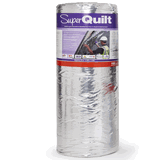
YBS SuperQuilt is frequently cited as one of the highest-performing multifoil products in the UK. It consists of 19 layers, including true aluminium foil, wadding, and high-density foam. With a nominal thickness of 40mm, it is designed to replace traditional insulation in roofs, walls, and floors.
Characteristic |
Specification |
| Layers | 19 |
| Thickness (Uncompressed) | 40mm |
| Core Thermal Resistance | 1.52 m2K/W |
| Weight per m2 | 800g |
| Recycled Content | 83% |
| Certifications | BBA, BDA, LABC, NHBC |
SuperQuilt is particularly effective because it addresses all three forms of energy transfer. Once installed with the recommended air gaps, it can contribute to a total system resistance that is equivalent to approximately 130mm of mineral wool. It also acts as a high-performance vapour control layer when fully taped and sealed.
TLX Silver and TLX Gold 
TLX Insulation provides two distinct products: TLX Silver and TLX Gold. TLX Silver is an insulating vapour control layer, typically used on the inner face of rafters or studs. It is 30mm thick and comprises a core of five layers of polyester fibre wadding separated by four metallised film layers.
TLX Gold is unique because it integrates a breathable membrane with a multifoil core. This is designed for installation over the rafters, replacing traditional breather paper. It is particularly useful in re-roofing projects where it can be draped over the rafters. This allows moisture to escape from the roof structure while providing a thermal barrier, eliminating the need for a separate vapour barrier in many instances.
SuperFOIL SF19+
SuperFOIL SF19+ is a high-performance multifoil with a thickness of 45mm. It is constructed from 11 layers, including reinforced heavy-duty foil outer layers and loft quilt layers. It is widely used in roofs and walls and is known for its robust tensile properties and resistance to tearing, which makes it suitable for the rigours of a construction site.
Characteristic |
Specification |
| Thickness | 45mm |
| Roll Size | 1.5m x 10m |
| Weight | 13kg per roll |
| Water Vapour Resistance | 1200 MNs/g |
| Core Thermal Resistance | 1.63 m2K/W |
Installation Methodologies: Roof Applications
Roofs are a primary area for heat loss, and the method of installation is critical to achieving the design U-value.
Pitched Roofs: Under Rafter Installation
In many UK loft conversions, insulation is applied from the underside of the rafters. This avoids the need to remove the external tiles or slates.
The process begins by ensuring that the rafter space is appropriate for the chosen build-up. If a hybrid system is used, the PIR board or mineral wool is installed between the rafters, leaving an air gap between the bulk insulation and the multifoil. The multifoil is then unrolled horizontally across the rafters, starting from the ridge and moving toward the eaves.
The material must be stapled to the timbers at 300mm intervals using staples of at least 14mm depth. Each layer of foil must overlap the next by at least 50mm. To ensure the system is airtight and functions as a vapour control layer, all overlaps and perimeters must be sealed with specialised foil joining tape. Finally, timber battens—typically 38mm x 38mm—are fixed over the foil to create the necessary air gap and provide a fixing point for the plasterboard.
Flat Roof Solutions
Flat roofs present a significant risk of condensation if not properly insulated. UK regulations often require a 50mm ventilated air space beneath the roof deck to allow moisture to escape. Multifoil is frequently used as part of a cold deck roof solution, where it is installed underneath the joists. A hybrid approach, using PIR between the joists and multifoil across the bottom, is a common way to achieve a 0.15 U-value without creating an excessively thick roof profile.
Buy Multifoil Insulation

Installation Methodologies: Wall Applications
Wall insulation in the UK is divided between timber frame constructions and solid masonry retrofits.
Timber Frame Walls
In timber frame buildings, multifoil is often applied to the inner face of the studs. It serves as both the insulation and the primary vapour control layer. The flexibility of the material allows it to be pulled taut across the studs and secured with battens. By using battens crosswise, thermal bridging—where heat escapes through the timber studs is minimised.
A 0.18 U-value can be achieved in a timber frame by using a combination of materials. For example, a 90mm stud filled with mineral wool, covered by a layer of SuperQuilt and secured with 25mm or 38mm battens, provides a highly efficient and airtight wall structure.
Solid Masonry Walls
For older stone or brick buildings, internal wall insulation is often the only option to improve thermal performance. Multifoil is ideal here because it minimises the loss of internal floor area. The material is typically fixed to timber battens that have been secured to the masonry. A second set of battens is then fixed over the foil to create the air gap for the plasterboard. This creates a thin, high-performance "sandwich" that significantly improves the comfort of the room without the bulk of traditional systems.
Installation Methodologies: Floor Applications 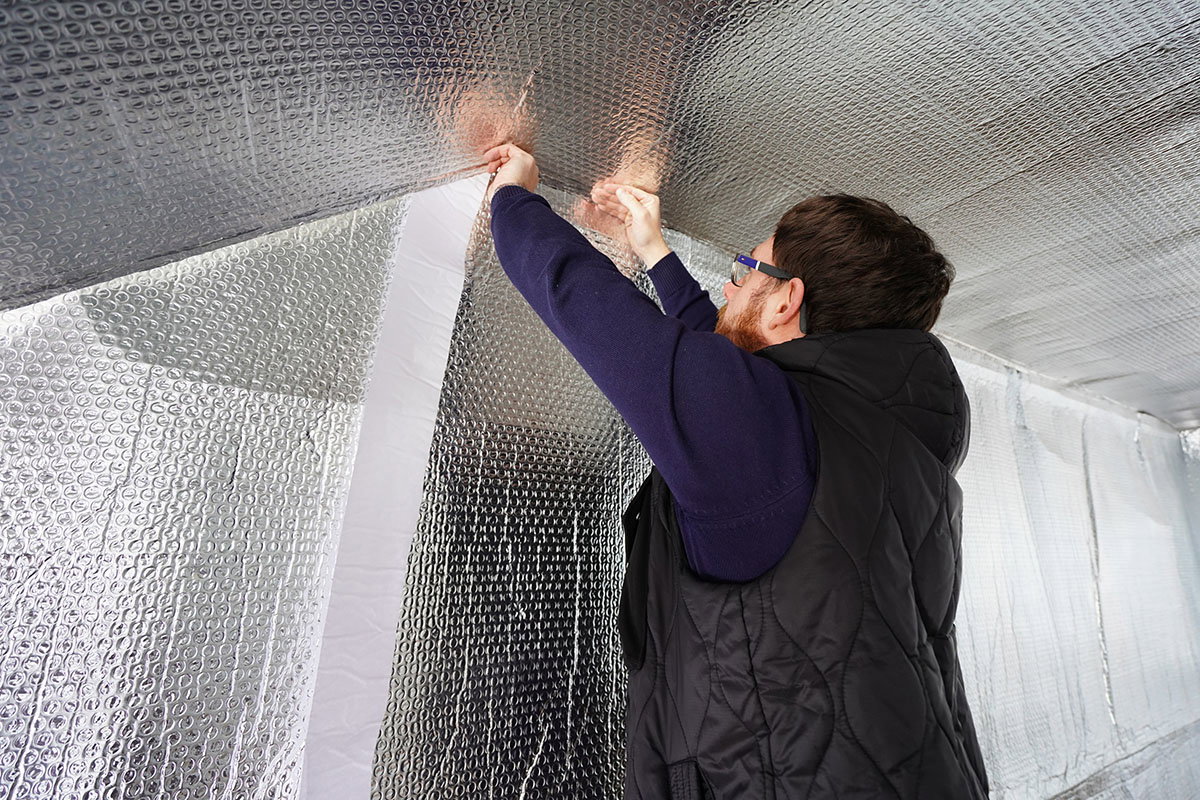
Insulating floors is a frequently overlooked step in draught-proofing and energy reduction, yet it is essential for comfort, particularly in homes with suspended timber floors.
Suspended Timber Floors
Suspended floors are common in UK properties built before the mid-20th century. They consist of floorboards over joists with a ventilated void below. This ventilation, while necessary for the timbers, allows cold air to enter the home.
Multifoil can be installed in two ways:
-
From above: If the floorboards are being removed, the multifoil is "saddled" over the joists. It is recessed by approximately 50mm to create an air gap between the foil and the floorboards.
-
From below: If there is a cellar or crawl space, the foil can be stapled directly to the underside of the joists and sealed with tape to stop draughts.
Solid Concrete Floors
In new extensions or conservatories with concrete floors, a thin multifoil like YBS SuperQuilt can be laid directly onto the concrete. Timber battens are then placed on top to provide the air gap, followed by a floating floor of chipboard or laminate. This prevents the "cold bridge" from the ground and makes the floor much warmer to the touch.
The Crucial Role of Air Gaps and Battens
The effectiveness of any reflective insulation is dependent on the presence of unventilated air gaps. Without an air gap, the radiant barrier properties of the foil are essentially lost, and the material acts merely as a thin conductive layer.
The air gap serves several purposes. It provides an additional layer of thermal resistance by trapping still air, and it allows the low-emissivity surface to reflect radiant heat back to its source. For the best performance, these gaps must be unventilated. If air circulates through the gap, heat is transferred by convection, negating the insulating effect.
The depth of the air gap varies depending on the application and the direction of airflow.
Application |
Recommended Minimum Gap |
Direction of Airflow |
| Roof Installations | 13mm to 20mm | Vertical |
| Wall Installations | 20mm to 25mm | Horizontal |
| Floor Installations | 50mm | Downward |
In most UK domestic projects, a standard 38mm x 38mm batten is used, as it provides a generous gap that exceeds the minimum requirements and offers a solid fixing point for internal finishes.
Certification, Testing, and Compliance Bodies
Given the technical nature of multifoil insulation, third-party certification is essential for building control approval. In the UK, several bodies provide this assurance.
The British Board of Agrement (BBA)
The BBA is the primary body for assessing and certifying building products. A BBA certificate indicates that a product has undergone rigorous testing and is fit for its intended use in UK conditions. BBA Data Sheet 03 sets out the specific conventions for calculating U-values for elements incorporating reflective insulation, ensuring that manufacturers' claims are based on standardised methodologies.
Local Authority Building Control (LABC)
LABC represents all local authority building control departments in England and Wales. When a product has LABC Registered Detail approval, it means the technical design has been pre-approved by all local councils. This significantly simplifies the building control process for contractors and homeowners, as the product's performance is already accepted as meeting the required standards.
The BBA/TIMSA Competency Scheme
The BBA, in association with the Thermal Insulation Manufacturers and Suppliers Association (TIMSA), operates a competency scheme for U-value and condensation risk analysis. This scheme ensures that the individuals or companies providing thermal calculations have been subject to independent assessment and follow the correct conventions, such as those found in BR 443.
Vapour Control and Moisture Management
The management of water vapour is a critical concern in the UK’s climate. Improperly managed moisture can lead to interstitial condensation, which occurs when vapour passes through a structure and condenses on a cold surface within the wall or roof.
Multifoil as a Vapour Control Layer (VCL)
Most multifoil products are inherently vapour-impermeable. When they are installed on the warm side of the insulation and all joints are sealed with foil tape, they act as a high-performance vapour control layer. This prevents moist air from the interior from reaching the cold parts of the building structure. This is a significant advantage over mineral wool, which requires the installation of a separate polythene or foil-backed plasterboard vapour barrier.
Breathable Membranes and TLX Gold
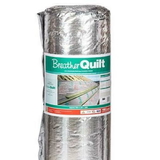
In certain applications, particularly roofing, it is beneficial to have a breathable outer layer. TLX Gold and YBS BreatherQuilt are designed for this purpose. They feature a core of multifoil but have a breathable outer skin. This allows any moisture that might have entered the roof structure to escape harmlessly through the membrane, while still providing a thermal barrier. This 2-in-1 or 3-in-1 functionality reduces the number of components required in a roof build-up and speeds up installation time.
Market Dynamics and Economic Considerations
The UK insulation market is influenced by regulatory changes, material costs, and supply chain availability.
Cost-Benefit Analysis: Multifoil vs PIR
While the initial price per square metre for a high-quality multifoil like SuperQuilt may seem higher than basic mineral wool, the total project cost often reveals a different picture.
-
Space Saving: In a loft conversion, saving 50mm of headroom across a ceiling can be the difference between a compliant habitable room and a space that cannot be legally sold as a bedroom. This adds significant financial value to the property.
-
Labour and Speed: Multifoil is lightweight and easy to handle. It can be cut with scissors or a basic blade and does not require the intensive cutting and fitting associated with rigid PIR boards. This reduces labour time and cost.
-
Reduced Waste: PIR boards often result in significant offcut waste, whereas multifoil rolls can be used with minimal loss. Any offcuts can be used to wrap pipes or seal small voids.
Supply Chain and Market Trends
The UK insulation market has faced challenges in recent years, including shortages of the core chemicals used to produce PIR foam. This has led to price fluctuations and increased the attractiveness of multifoil as a more available and cost-stable alternative. Furthermore, the active insulation market in the UK is projected to grow, with revenue expected to reach over 17 million dollars by 2030, driven by the increasing focus on residential retrofits.
Sustainability and Environmental Impact
As the UK strives toward Net Zero, the environmental credentials of building materials are under scrutiny.
Recycled Content and Carbon Footprint 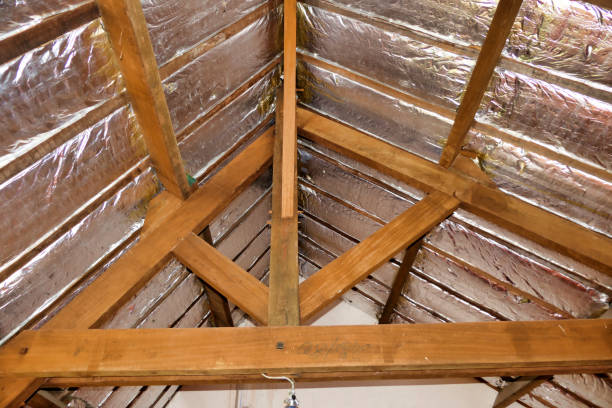
Multifoil insulation is increasingly manufactured with sustainability in mind. Many products incorporate high levels of recycled polyester wadding, often derived from post-consumer plastic waste. This reduces the demand for raw materials and diverts plastic from landfills. Additionally, because the material is lightweight and compressible, it has a lower transport-related carbon footprint than bulky traditional materials. A single pallet of multifoil can cover the same area as multiple truckloads of mineral wool.
Durability and Lifecycle
The long lifespan of multifoil—often exceeding 50 years—means it does not need to be replaced frequently. It is resistant to degradation from moisture, rot, and pests, ensuring that its thermal performance remains consistent over the lifetime of the building. This durability is a key component of sustainable construction, reducing the need for future remedial work and material replacement.
Advanced Technical Considerations: Thermal Bridging and SAP
For professional specifiers, the impact of insulation on the Standard Assessment Procedure (SAP) rating is a primary concern. SAP is the UK government's system for measuring the energy rating of residential dwellings.
Reducing Thermal Bridging
Thermal bridging occurs where a highly conductive material, such as a timber stud or rafter, creates a path for heat to bypass the insulation. Multifoil is particularly effective at reducing this because it is often installed across the face of the timbers, providing a continuous insulating layer. This is a distinct advantage over "between-rafter" insulation, where the timbers themselves remain as thermal bridges. By wrapping the entire internal envelope in a reflective blanket, the overall thermal integrity of the structure is significantly improved.
SAP Calculations and Compliance
When performing SAP calculations, it is essential to use the correct thermal resistance values for both the insulation core and the adjacent air gaps. Professional software packages now include databases of certified multifoil products, allowing architects and energy assessors to accurately model the performance of these systems. Achieving a high SAP rating is not only a regulatory requirement for new builds but is also becoming a key selling point for energy-conscious homebuyers in the UK.
Practical Challenges and Common Mistakes
Despite the ease of installation, several common errors can compromise the performance of a multifoil system.
-
Lack of Air Gaps: Direct contact with other materials is the most common mistake. Ensuring that battens are used to create the required void is essential.
-
Poor Taping and Sealing: If the vapour control layer is not perfectly sealed at every joint and perimeter, moisture can enter the structure, and airtightness will be lost.
-
Inadequate Overlaps: Failing to provide a minimum 50mm overlap can result in thermal gaps where cold air can penetrate the system.
-
Exposure to Weather: Multifoil products must be protected from rain and UV exposure during the construction phase, as moisture or oxidation can damage the reflective surfaces and core wadding.
Future Trends in the UK Insulation Industry
The UK's path toward Net Zero 2050 will continue to drive innovation in the insulation sector. We can expect to see further developments in the following areas:
-
Integrated Smart Systems: Insulation materials that work in tandem with advanced HVAC systems and smart home sensors to optimise heat retention and ventilation.
-
Increased Breathability: Further refinements in breathable multifoil technology to manage moisture more effectively in increasingly airtight homes.
-
Greater Use of Natural Materials: The integration of natural fibres, such as sheep's wool, into multifoil cores to further improve sustainability and hygroscopic performance.
-
Digital Twin Modelling: The use of detailed digital simulations to predict the real-world performance of multifoil systems in specific UK microclimates, allowing for even more precise U-value targeting.
Conclusion
Multifoil insulation has evolved into a cornerstone of the United Kingdom’s strategy for energy-efficient construction and residential retrofitting. By mastering the science of radiant heat reflection and combining it with traditional resistance to conduction and convection, these materials provide a high-performance solution that respects the spatial constraints of the British housing stock. From the stringent requirements of Approved Document L to the practical needs of a loft conversion or a solid wall upgrade, multifoil offers a versatile, durable, and sustainable path forward. As the construction industry continues to professionalise through schemes like the BBA/TIMSA competency initiative and LABC pre-approvals, the role of multifoil in creating warmer, drier, and more energy-efficient homes is set to expand. For the professional builder, architect, or informed homeowner, understanding the nuances of air gaps, vapour control, and hybrid system design is the key to unlocking the full potential of this advanced technology.
UK Legal Disclaimer
This report is provided for general informational and educational purposes only. It does not constitute professional advice, and the information contained herein should not be relied upon as a substitute for consultation with qualified architects, structural engineers, or building control officers. Building Regulations in the United Kingdom, specifically those regarding fire safety and thermal performance, are subject to change and may be interpreted differently by local authorities. All material specifications and U-value calculations for a specific project must be independently verified and approved by a competent professional. No liability is accepted for any loss, damage, or legal non-compliance resulting from the use of this content. All work must be carried out in accordance with the latest government regulations and manufacturers' instructions. In accordance with UK health and safety legislation, always use appropriate personal protective equipment and ensure safe working practices when working at height or with construction materials.

Samuel Hitch
Managing Director
Buy Insulation Online.
Leave A Reply
Your feedback is greatly appreciated, please comment on our content below. Your email address will not be published. Required fields are marked *