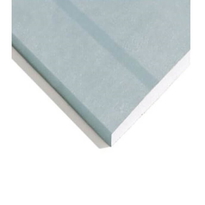
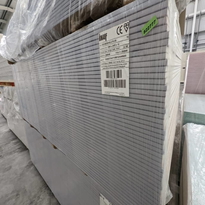
Acoustic Perforated Plasterboard
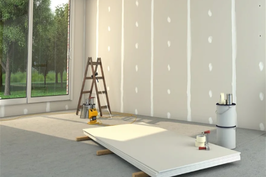
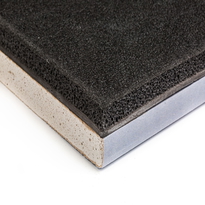
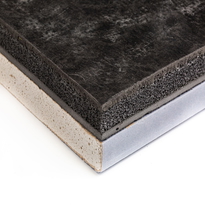
Acoustic perforated plasterboard is a lightweight yet durable building material, crafted from specialised gypsum with precisely designed perforation patterns. These patterns include a variety of shapes and open area ratios, enhancing both sound absorption and diffusion within a space. The panels feature perforated surfaces, backing materials, and optional insulation layers carefully chosen to optimise acoustic performance across a broad range of frequencies.
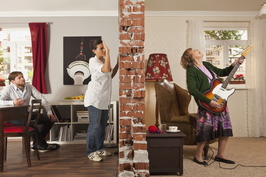
Suitable for use in ceilings, walls, and partitions, acoustic perforated plasterboard provides effective soundproofing while maintaining aesthetic flexibility. Its versatile design allows for seamless integration into both commercial and residential settings, helping to create quieter, more comfortable environments.
Ongoing research and development focus on how specific design choices and material compositions can further maximise these acoustic benefits, ensuring this building solution continues to evolve in response to varied architectural needs.
Key Features and Benefits of Perforated Gypsum Boards
Perforated gypsum boards are specially designed to combine practical performance with visual appeal, making them a popular choice in contemporary interior design and space planning across the UK. Made from gypsum plaster encased between paper layers, these boards are lightweight yet durable, facilitating straightforward installation and handling.
One of the key advantages of perforated gypsum boards is their excellent acoustic performance. The perforations enable sound absorption across a broad spectrum of frequencies, significantly reducing reverberation within spaces. When backed with acoustic fabric and configured with specific open area percentages, such as 19.6%, they deliver enhanced soundproofing qualities—ideal for environments like offices, theatres, and conference rooms.
In addition to acoustic benefits, perforated gypsum boards contribute to thermal regulation. Their inherent insulating properties assist in maintaining comfortable indoor temperatures, helping to reduce energy consumption.
Environmentally, these boards are fully recyclable, supporting sustainable building practices. Their natural, non-toxic composition ensures improved indoor air quality and minimises health risks for occupants.
Durability is another notable feature; perforated gypsum boards resist deformation and are low in maintenance requirements, ensuring longevity in various architectural contexts. Their resistance to wear and ease of upkeep make them suitable for both commercial and residential projects where design flexibility and performance are essential.
Design Options and Pattern Variations
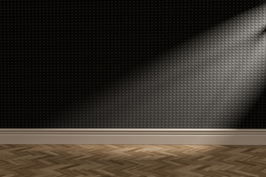
Design options and pattern variations for perforated gypsum boards offer an extensive range of choices to meet both functional and aesthetic needs. These options encompass different perforation patterns, such as grid-style, random, geometric, round, square, and micro perforations, each providing unique visual and acoustic characteristics. Perforation patterns can significantly influence the acoustic performance of the board by controlling sound diffusion and absorption. The selection of pattern influences sound diffusion, absorption, and visual appeal, with variations in open area percentages, perforation sizes, and shapes tailored for specific applications. Additional design considerations include flexible or rigid panels, curved installations, and seamless finishes achieved through square-cut or recessed edges. Some panels incorporate practical features like access panels for maintenance or pre-primed edges to facilitate finishing work.
Acoustic Performance and Sound Absorption Capabilities
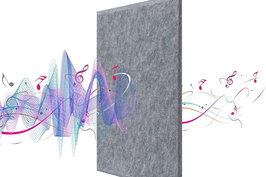
Acoustic performance of perforated gypsum boards is primarily governed by the Helmholtz resonance principle, which explains how these panels and their attached cavities function as resonators to absorb specific sound frequencies. The perforations and back cavity allow sound waves to enter, where friction with the hole walls dissipates energy, thereby reducing reflections and improving sound absorption. Perforated gypsum board itself has poor sound absorption; perforation forms the basis for improved performance. Using acoustic backing materials such as felt or mulberry paper enhances this process by increasing friction within the cavities and broadening the range of frequencies that can be absorbed. This results in a more effective acoustic performance. The perforation rate plays a crucial role in determining how much sound can interact with the cavity; generally, a higher perforation rate improves absorption because it allows greater sound wave entry. The depth of the back cavity is also significant, with deeper cavities targeting lower frequency ranges more effectively. Adding insulation behind the board further boosts the sound absorption capacity and broadens the spectrum of frequencies captured. Ensuring correct installation alignment is vital, as properly fitted panels minimise gaps and optimise acoustic performance.
Material Composition and Manufacturing Techniques
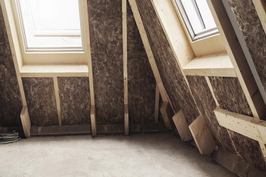
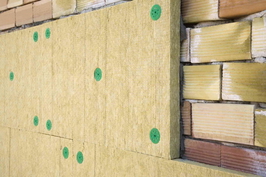
Gypsum forms the foundational material of acoustic perforated plasterboard due to its natural, recyclable, and fire-resistant properties, which make it a popular choice in construction. During manufacturing, gypsum is combined with other components, such as adhesives and binders, to produce panels with structural integrity. Gypsum is a naturally occurring mineral, which supports its environmental sustainability and recyclability. Perforations are created using precise techniques, ensuring uniform patterns that optimise acoustics and aesthetics. Some panels incorporate dehydrated zeolite, enhancing their sound absorption capabilities. A grey sound absorption felt is often attached to the back, further improving acoustic performance and reducing airborne noise. Optional insulation materials like glasswool can be integrated within the panel for additional soundproofing. Throughout manufacturing, strict quality control ensures consistency, durability, and environmental sustainability, aligning with modern industry standards.
Practical Applications in Interior Spaces
Perforated plasterboard is widely utilised in interior spaces to effectively reduce noise levels and enhance overall acoustic quality. It achieves this by absorbing sound vibrations, thereby decreasing echo and reverberation. This, in turn, amplifies comfort for occupants. Benefits of sound absorption are maximised when combined with a properly designed perforation pattern tailored to the specific acoustic needs of the space. Its practical applications include:
Enhancing sound quality in offices, schools, and other public venues by minimising distracting noise.
Creating stylish designs through customised perforation patterns, adding visual appeal without compromising functionality.
Flexibly installing in ceilings, walls, and partitions, accommodating various spatial configurations.
Offering cost-effective solutions for sound absorption, often more affordable than alternative acoustic materials, making it suitable for different budgets.
These characteristics make perforated plasterboard an effective choice for spaces requiring improved acoustics alongside aesthetic and functional integration.
Conclusion
Perforated acoustic plasterboards provide an effective solution for enhancing sound absorption in a variety of interior spaces through their distinctive material properties and customisable patterns. Their structured design improves acoustic performance without compromising aesthetic flexibility, making them suitable for a range of applications such as offices, auditoriums, and commercial environments. Understanding their manufacturing process and practical advantages enables informed decisions in interior design, ensuring soundproofing and visual appeal are efficiently achieved with durable, easy-to-install solutions.