

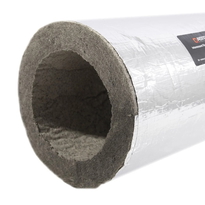
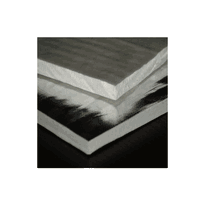
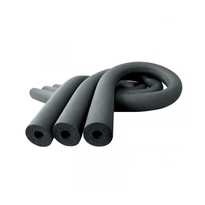
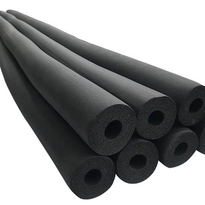
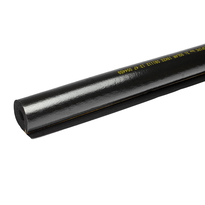
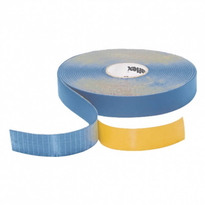
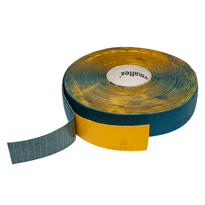
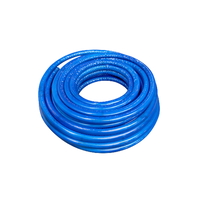
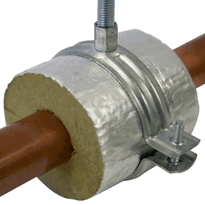
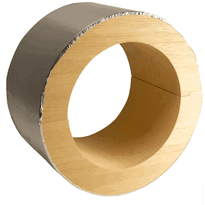
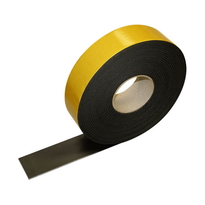
Bs 5422 Pipe Insulation
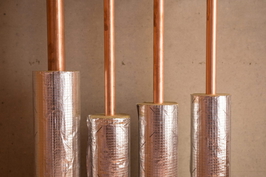
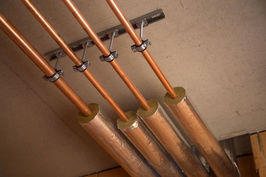
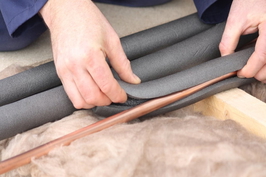
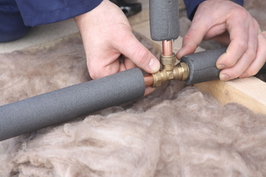
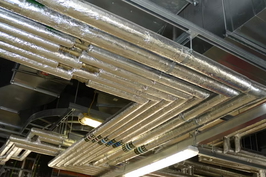
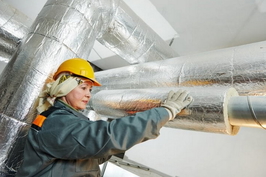
BS 5422 is a British Standard that specifies the proper methods, materials, and installation practices for the thermal insulation of pipework, ductwork, and equipment operating within a temperature range of -40°C to +700°C. Its aim is to promote energy efficiency, ensure safety, and support compliance with relevant regulations across various industries in the UK.
The 2023 edition of BS 5422 places particular emphasis on fire performance ratings, ensuring that insulation materials meet stringent safety standards. It also eliminates obsolete material types and incorporates new performance data tables, notably for district heating systems, which have become increasingly vital for sustainable energy supply.
Selecting the appropriate insulation thickness and materials requires consideration of several factors, including fluid temperature, pipe size, environmental conditions, and operational requirements. A thorough understanding of these elements helps optimise insulation solutions, reducing heat loss, preventing condensation, and safeguarding personnel.
In summary, BS 5422 provides comprehensive guidance for the effective and safe insulating of thermal systems. Its updates reflect the latest safety standards and technological advancements, offering industry professionals the confidence to design and install insulation that meets UK regulatory and performance benchmarks.
Overview of BS 5422 and Its Scope
What's BS 5422, and why is it essential for thermal insulation in various industrial and building applications?
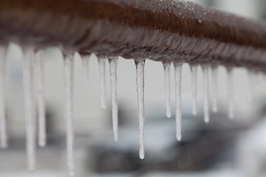
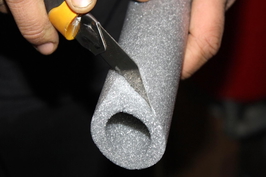
BS 5422 is a comprehensive British Standard that specifies the methods and requirements for the thermal insulation of pipework, ductwork, and equipment operating within temperature ranges from -40°C to +700°C. It aims to promote energy efficiency, prevent condensation, control freezing, and ensure safe surface temperatures. It also provides guidance on installation practices to maintain insulation integrity over time.
The standard provides detailed guidance on insulation materials, appropriate thicknesses, and thermal performance criteria, enabling consistent and reliable insulation practices across multiple sectors. While it doesn't cover underground pipelines or building fabric insulation, BS 5422 serves as a vital reference for engineers, designers, and contractors seeking to meet environmental, safety, and performance standards.
Its application ensures effective, standardized insulation strategies in both industrial and commercial settings, contributing to safer, more energy-efficient environments. This standard also supports compliance with regional building regulations, ensuring that insulation practices meet statutory safety and performance requirements.
Key Updates in the 2023 Version of BS 5422
The 2023 revision of BS 5422 introduces several significant updates that impact its performance requirements, calculation methods, and application guidance. Notably, it removes thermal performance data for obsolete materials and now adopts Euroclass ratings for fire reaction, replacing previous national classification systems. It also updates its approach to environmental considerations, emphasizing sustainability in insulation choices. Enhanced performance tables have been incorporated, providing a wider range of options aligned with energy-saving schemes such as the Energy Technology List and Capital Allowance schemes. Additionally, new tables have been introduced to specifically address district heating secondary systems. The standard continues to prioritize energy conservation for both cooled and heated systems. Its calculation standards are now based on the 2008 edition, with future updates expected to incorporate newer standards, particularly in areas such as condensation control, thermal property assessments, and insulation thickness calculations. Regulatory compliance remains consistent with the requirements of building regulations. Transitional arrangements have been put in place to facilitate ongoing projects during this update.
Factors Influencing Insulation Thickness and Material Choice
Several factors influence both the necessary insulation thickness and the selection of appropriate materials to ensure optimal pipe performance and energy efficiency.
The temperature of the fluid within the pipe is a key consideration. Higher or lower temperatures require increased insulation thickness to effectively manage heat transfer and minimize energy losses.
Pipe diameter and the material, particularly conductive metals, also play a significant role. Larger diameters or highly conductive materials typically necessitate thicker insulation to reduce heat loss and maintain desired temperatures.
External environmental conditions, such as ambient temperature and humidity, further impact insulation choices. External piping exposed to weather elements, such as rain, wind, or sunlight, may need more robust or specialized insulation to withstand these conditions and prevent heat dissipation.
Space constraints can limit the available room for insulation installation. In such cases, a careful balance must be struck between achieving sufficient thermal performance and accommodating restricted space, potentially requiring alternative insulation solutions or materials.
Furthermore, design requirements—including budget considerations, long-term efficiency goals, and adherence to industry standards—are crucial drivers in the selection process. These factors help ensure that the insulation system not only meets operational needs but also aligns with regulatory and sustainability objectives.
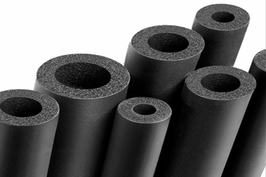
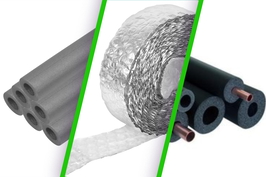
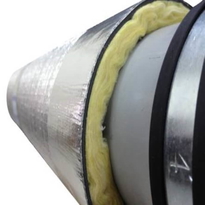
In addition, the type of insulation material chosen can affect the overall effectiveness and longevity of the system,which should be selected based on thermal properties, environmental resistance, and compliance with safety standards, ensuring the pipe remains well-insulated under various conditions.
Conclusion
Compliance with BS 5422 ensures that pipe insulation is effectively specified, installed, and maintained to optimise energy efficiency and safety. By understanding the key updates in the 2023 version and considering relevant factors influencing insulation thickness and material selection, professionals can make informed decisions that meet regulatory standards. This structured approach enhances thermal performance while minimising costs and risks. Adhering to these guidelines fosters consistent, reliable outcomes essential for industry practice and long-term infrastructure integrity.
Featured Articles on Bs 5422 pipe insulation