


Chilled Water Pipes
Chilled water pipes play a crucial role in cooling systems, typically constructed from materials such as carbon steel, stainless steel, plastics, or galvanised steel. These materials are selected for their durability and resistance to corrosion.
A well-planned layout, along with adequate insulation and effective flow control, is vital for ensuring energy efficiency and optimal heat transfer, even during fluctuations in load. Modern systems often feature automation and real-time data monitoring, which help to enhance performance, lower energy expenses, and extend the lifespan of the system.
Understanding these components provides valuable insight into how chilled water systems operate seamlessly beneath the surface, contributing significantly to energy management and climate control in various environments.
Components and Materials of Chilled Water Pipes
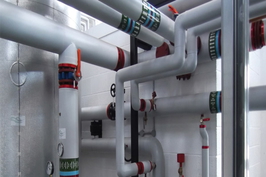
Chilled water pipes are constructed from a variety of materials, each selected for its specific properties to guarantee dependable and efficient performance. Carbon steel is the most prevalent type used, suitable for both above-ground and underground systems, and typically complies with British standards. Carbon steel's durability makes it a popular choice for heavy-duty applications. Stainless steel is another viable option, particularly when corrosion resistance is necessary for above-ground piping. For smaller or lower-pressure systems, plastics such as PVC, CPVC, or PEX are commonly employed for final connections. Galvanised steel provides additional corrosion resistance and is available in welded or seamless forms, making it suitable for diverse applications. The thickness of the pipes, such as Schedule 40, is determined based on the pressure and temperature requirements of the system. These materials are engineered to ensure the piping performs effectively over time, delivering safe and efficient cooling solutions.
Design Considerations for Efficient Pipe Layouts
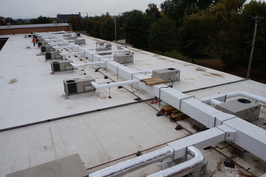
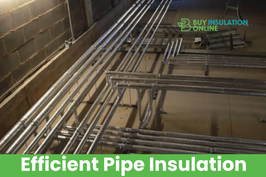
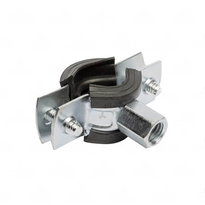
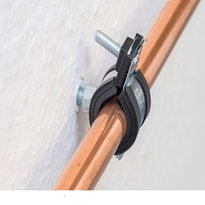
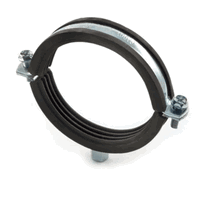
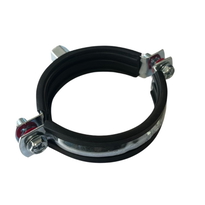
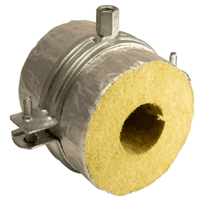
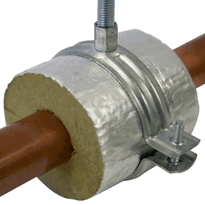
Effective pipe layout is crucial for a reliable and efficient chilled water system. Proper design involves aligning bypass piping with the largest chiller flow, avoiding restrictions, and ensuring bypass pipes are sufficiently long for pressure stability. Properly sized pipes help maintain flow rates and pressure consistency throughout the system. It's advisable to avoid check valves in bypasses to prevent conflicts with pumps. The use of primary-secondary loops should be implemented with appropriate flow matching, particularly when utilising swing chillers. Pressure-independent valves play a significant role in controlling temperatures and minimising fluctuations. Pipe runs must be straight and manageable in length, while factory-fabricated supports are recommended to mitigate moisture issues. The positioning of bypass pipes and expansion tanks is important for maintaining pressure control and accommodating thermal expansion. Additionally, ensuring proper drainage and strategic piping placement near cooling towers is essential for facilitating system maintenance. This thoughtful layout promotes smooth operation and enhances energy efficiency.
Insulation and Maintenance Strategies
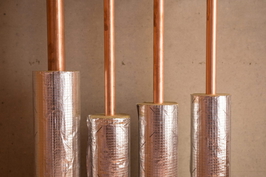
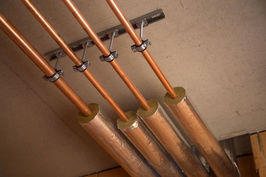
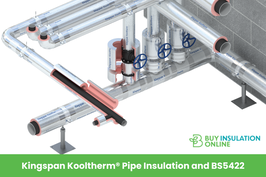
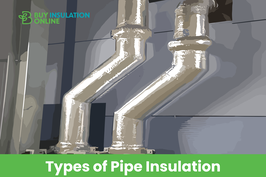
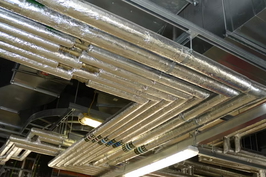
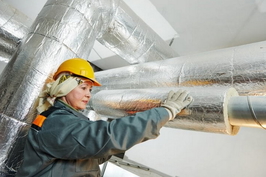
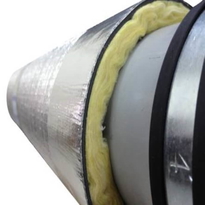
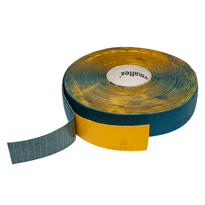
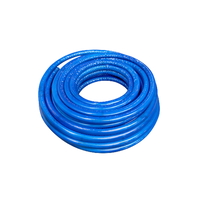
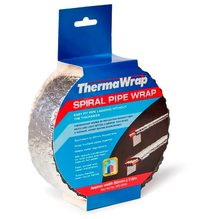
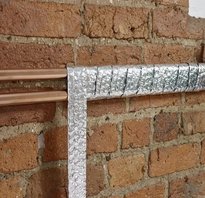
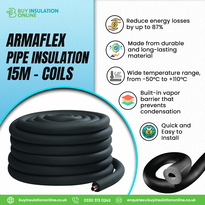
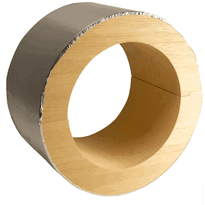
Selecting the appropriate insulation materials is crucial for safeguarding chilled water pipes against condensation and heat loss. Implementing regular maintenance practices, such as thorough inspections and prompt repairs, ensures that insulation remains effective over time. Proper insulation selection helps mitigate moisture intrusion and enhances system efficiency. Effective strategies are vital for maintaining system efficiency, durability, and safety for building occupants. By prioritising these aspects, property owners can enhance the overall performance of their chilled water systems while minimising potential issues. In the UK, it's important to choose insulation solutions that are tailored to the specific climate and conditions, thereby ensuring optimal protection and performance. Regular upkeep not only prolongs the lifespan of the insulation but also contributes to energy efficiency, ultimately benefiting both the environment and the building’s operational costs.
Insulation Material Selection
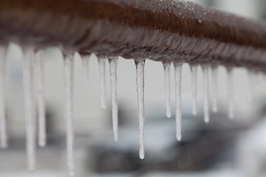
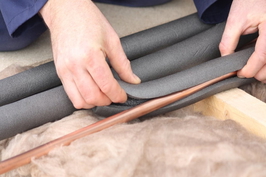
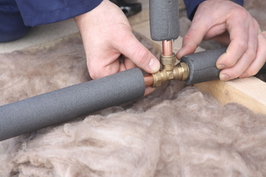
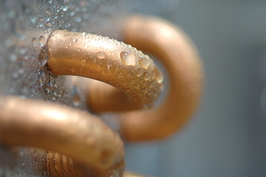
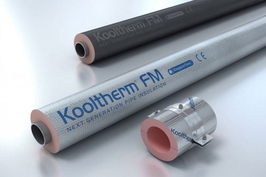
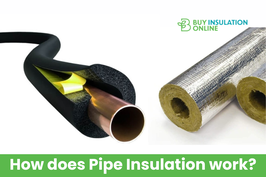
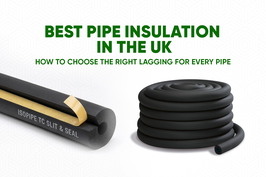
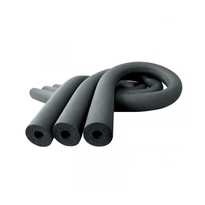
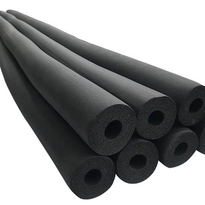
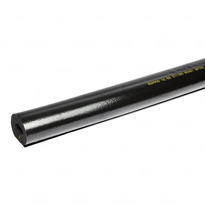
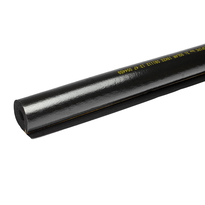
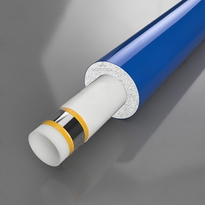
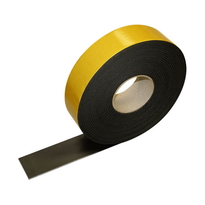
Selecting the appropriate insulation material for chilled water pipes is crucial to ensure efficient thermal performance and long-term durability. Effective insulation reduces heat gain, prevents condensation, and safeguards pipes from environmental damage.
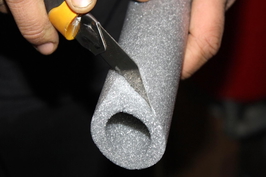
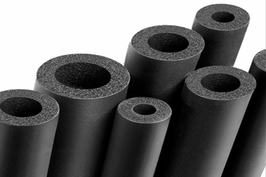
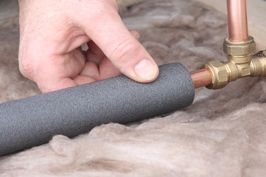
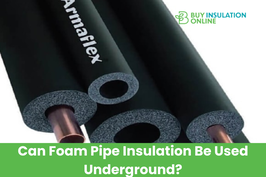
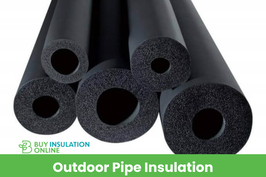
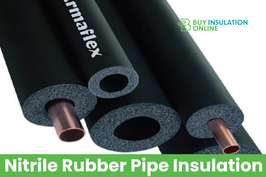
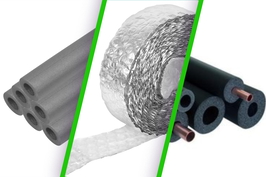
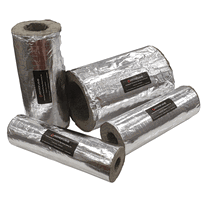
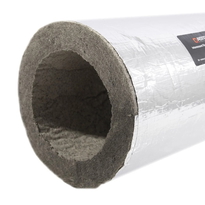
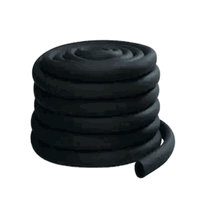
Common choices include polyurethane foam, phenolic foam, and elastomeric foam, each providing specific advantages such as moisture resistance and low thermal conductivity. When selecting insulation, it's important to consider factors such as fire safety, environmental resistance, and ease of installation to align with your project's requirements.
Properly chosen materials help maintain system efficiency and avert costly repairs in the future.
Opting for insulation with low water vapour permeability can significantly reduce the risk of condensation and mould growth.
Focusing on moisture-resistant and UV-resistant options can prolong the lifespan of insulation.
Ensuring the insulation density and thickness are matched to the specific environment guarantees optimal thermal protection and durability.
With careful consideration and selection, the right insulation will contribute to the overall performance and longevity of your chilled water systems.
Regular Maintenance Practices
Regular maintenance practices for chilled water pipes are essential to ensure the system operates efficiently and to prevent costly repairs. Conducting routine inspections of pipes allows for the early identification of corrosion, leaks, or blockages. Chilled water systems rely on proper water quality and cleanliness to maintain optimal heat transfer performance. Establishing a maintenance schedule tailored to the system’s requirements and following manufacturer guidelines ensures that tasks are carried out at appropriate intervals. Monitoring water quality is crucial to prevent contamination that can impair heat transfer efficiency and lead to fouling, thereby increasing energy consumption. Mechanical cleaning methods, such as brushing, effectively remove sludge and algae, while chemical treatments address issues like scale buildup. A combination of these techniques, alongside automatic cleaning systems, helps maintain clear pipes. Regular flushing is important for removing debris post-cleaning. Consistent water treatment, which includes biological controls and continuous monitoring, plays a vital role in sustaining system performance. This proactive approach not only saves energy but also extends the lifespan of the system, ultimately leading to more cost-effective operation.
Thermal Performance and Handling Load Variations
Because chilled water systems encounter fluctuating cooling demands, it's crucial to manage how these variations impact the thermal performance of the pipes. The thermal inertia within the pipes and insulation plays a significant role in dampening rapid temperature changes, ensuring that the water remains consistent despite load fluctuations.
Effective insulation minimises heat gain during peak loads, helping to maintain low water temperatures and enhance system efficiency. The choice of insulation material significantly affects response times; materials with higher thermal resistance slow down heat transfer, which is beneficial for load management.
Moreover, design elements such as pipe layout and fluid management are vital in optimising performance under varying conditions.
Insulation serves as a buffer, mitigating sudden temperature shifts for improved comfort.
High thermal resistance materials contribute to stabilising temperatures by decelerating heat transfer.
Thoughtful system design enables the system to smoothly adapt to changing demands, thereby preventing energy waste.
Energy Efficiency and Flow Control Techniques
Implementing effective flow control techniques can significantly enhance the energy efficiency of chilled water systems. Adaptive control systems optimise flow by adjusting according to occupancy and weather patterns, thereby reducing waste. Proper insulation of pipes can further maintain desired water temperatures, reducing the need for excessive pumping energy. Demand-controlled ventilation links chilled water flow to real-time occupancy, minimising unnecessary cooling. Night setback strategies lower flow rates during periods of low demand, resulting in energy savings on pumps. Dynamic setpoint optimisation adjusts water temperatures and flow to align with actual cooling needs, preventing overcooling. Moreover, variable frequency drives (VFDs) on pumps efficiently match flow rates to demand, leading to reduced motor energy consumption. Proper pipe layout and sizing also help to diminish friction losses, while flow balancing valves ensure even distribution throughout the system. Collectively, these techniques contribute to a more efficient chilled water system, lowering energy costs and supporting a sustainable, community-focused approach to building management.
System Integration and Automation of Chilled Water Piping
Integrating chilled water piping with Building Automation Systems (BAS) allows for more precise and efficient control of HVAC operations. This integration enables centralised monitoring of chillers, pumps, and valves, making system management more responsive. Chillers can account for up to 40% of peak electric demand and 15% to 25% of annual electrical energy usage in large buildings. BAS can adjust control sequences automatically, balancing water temperature and pump speeds for optimal performance. As the size of the building increases, the complexity of integration also grows, often requiring specialists to ensure proper setup. A typical workflow includes assessment, technology selection, installation, testing, and ongoing support to maintain system reliability. - Real-time data aids in optimising energy usage and reducing costs. - Automated controls adapt swiftly to changing system demands. - Proper coordination guarantees seamless communication between different equipment and software. This streamlined approach not only enhances operational efficiency but also contributes to a more sustainable building environment.
Conclusion
Chilled water pipes play a crucial role in the cooling systems of buildings, necessitating careful selection of materials, thoughtful design, and effective insulation to ensure optimal efficiency. Implementing effective flow control and automating the system can significantly enhance performance while minimising energy consumption.
Regular maintenance and a well-considered layout are essential for prolonging the lifespan of the piping system. By understanding these components and strategies, one can achieve a reliable and energy-efficient cooling system that adapts seamlessly to variations in load and reduces operational costs.
Overall, attention to detail in the design and upkeep of chilled water pipes is vital for the performance and sustainability of building cooling solutions in the UK.
Featured Articles on Chilled water pipes