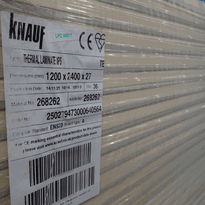
Insulated Plasterboard Pir
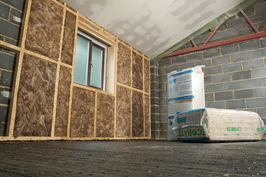
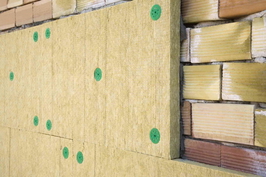
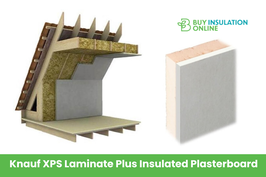
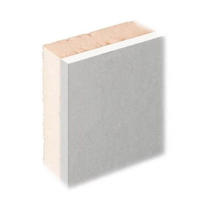
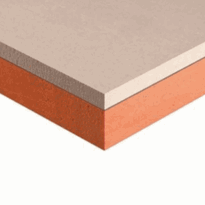
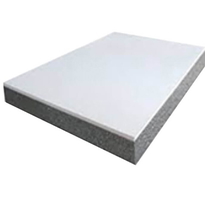
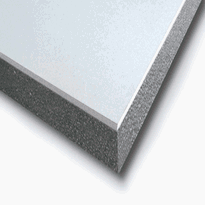
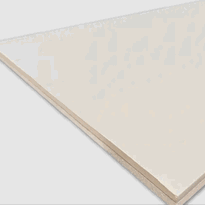
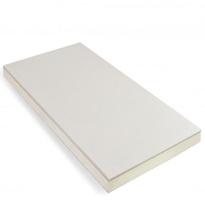
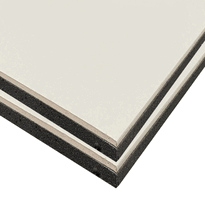
Insulated plasterboards with PIR cores combine rigid foam insulation with durable plaster surfaces to enhance thermal efficiency whilst providing a finishing layer for structural applications. The PIR (polyisocyanurate) core offers high thermal performance, featuring low thermal conductivity, which allows for the use of thinner panels that can contribute to energy savings.
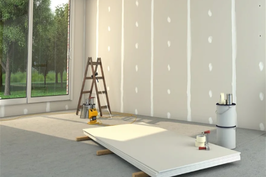
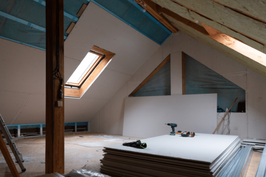
These panels are typically installed using adhesive or mechanical fixings, making them suitable for a variety of interior applications such as internal walls and ceilings. They are certified to standards such as EN 13950, ensuring they resist moisture, deformation, and fire, thus offering long-term durability.
Further information includes detailed installation techniques and environmental benefits, ensuring the panels meet the rigorous demands of modern UK construction and refurbishment projects.
Composition and Advantages of Insulated Plasterboards With PIR
Insulated plasterboards with a PIR (polyisocyanurate) core are engineered to enhance thermal performance, durability, and fire safety in a range of building applications. These boards combine advanced materials and manufacturing techniques to deliver superior insulation solutions suitable for the UK construction sector.
The PIR core is a rigid, closed-cell foam produced by reacting polyols with isocyanates at high pressure and temperature. This results in a material characterized by excellent thermal stability and low thermal conductivity, which helps reduce heat transfer through walls, floors, and roofs. The core is laminated with low-emissivity aluminium foil facings, which serve as effective moisture barriers and reflect heat, further improving thermal efficiency. Manufactured by reacting polyols with isocyanates under specific conditions, PIR foam boards are designed for optimal thermal insulation. The configuration of these materials enables the panels to also contribute to air sealing when properly installed.
Despite their lightweight nature, insulated plasterboards with a PIR core possess high compressive strength, making them suitable for load-bearing applications within internal wall linings, floor setups, and roof structures. The closed-cell structure minimizes water absorption, thereby preventing moisture ingress, mould growth, and associated structural issues. This durability ensures the boards maintain their shape and insulating properties over long periods.
The aluminium foil facings contribute to environmental resistance, safeguarding the boards against moisture, dust, and external environmental factors. As a result, they retain their shape, performance, and appearance over decades, reducing the need for maintenance or replacement.
Fire safety is a key feature of PIR insulated plasterboards. The material’s inherent fire-resistant properties include the formation of a protective char layer when exposed to heat, which acts as a barrier to slow the spread of flames. In addition, these boards are manufactured to comply with current safety standards, contributing to safer building environments.
Thermal Efficiency and Cost Savings Achieved With PIR Insulation
The high thermal performance of PIR insulation greatly enhances energy efficiency in building applications across the UK by reducing heat transfer through walls, roofs, and floors. Its low thermal conductivity of approximately 0.022 W/mK allows for thinner layers of material to achieve a high thermal resistance, thereby minimizing insulation thickness and maximizing internal space. PIR's cellular structure also contributes to its excellent insulating properties by trapping air within its fine cells, further lowering heat conduction. PIR’s closed-cell structure and fine-cell composition help limit heat flow and moisture absorption, supporting sustained long-term performance. Thanks to their superior thermal resistance, PIR boards—typically ranging from 30mm to 110mm in thickness—offer U-values from around 0.20 to 0.50 W/m²K. This results in lower energy consumption for heating and cooling, leading to significant reductions in energy bills over time. The improved energy efficiency can offset the higher initial material costs, while the lighter profile and smaller material requirements contribute to overall savings during construction. Additionally, the low G-Value of PIR boards enhances their reflective thermal barrier capabilities, further boosting overall insulation effectiveness.
Installation Methods and Suitable Applications for Insulated Plasterboard PIR
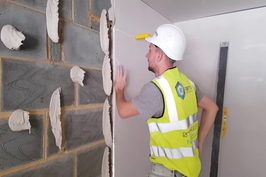
Various installation methods are employed to affix PIR insulated plasterboard effectively, with each suited to specific wall types and application conditions. The dot and dab adhesive method involves applying strategic dabs of adhesive on the wall or the back of the panels, then pressing the boards firmly into place.
This technique is particularly suitable for smooth, flat surfaces such as plastered or rendered walls, ensuring a quick and efficient installation process.
Alternatively, a continuous layer of adhesive can be applied to provide a stronger bond and improve airtightness. This approach supports subsequent mechanical fixings like screws, which are typically spaced at regular intervals—around 150 mm to 300 mm along edges and 300 mm to 600 mm across panels—to ensure stability during the adhesive curing process.
Mechanical fixings combined with adhesives offer additional security, especially on uneven surfaces or external walls. When fixing boards onto timber or steel frameworks, mechanical fixings are predominantly used due to concerns over moisture ingress and movement.
Proper surface preparation, precise measurements, and alignment strategies such as the use of packing strips are essential for an effective installation across various applications, ensuring the integrity and longevity of the insulation and finishing layers.
Standards, Durability, and Environmental Considerations
Adherence to established standards is essential for ensuring that PIR insulated plasterboard performs reliably throughout its service life, maintains safety, and complies with legal requirements. Standards such as EN 13950:2014 set out the requirements, definitions, and test methods that guarantee consistent quality and performance.
Third-party certifications, like BBA approval, verify that products meet strict performance criteria, providing confidence in their suitability and durability.
Visualize a board that:
Resists deformation thanks to stable PIR foam cores designed for long-term performance.
Incorporates vapor barriers to prevent moisture ingress, helping to maintain building integrity.
Meets fire safety standards such as Euroclass B-s1, d0, ensuring safety in the event of a fire.
Includes integral vapor control layers, supporting healthy indoor air quality and reducing moisture-related issues.
These features ensure longevity and safety while supporting energy efficiency and sustainable construction practices. Environmentally, PIR boards typically have low Global Warming Potential (GWP) and Ozone Depletion Potential (ODP), reducing their ecological impact and aligning with UK sustainability goals.
Conclusion
Insulated plasterboard with PIR offers outstanding thermal performance, cost efficiency, and durability when installed correctly in accordance with UK standards. Its composite structure enhances insulation properties whilst addressing environmental considerations. Suitable for a wide range of building applications, PIR plasterboard provides a practical and dependable solution for increasing energy efficiency and improving indoor comfort.
A thorough understanding of proper installation methods and adherence to relevant regulations is essential to maximise its benefits. When used correctly, PIR insulated plasterboard proves to be an effective choice for modern thermal insulation projects across the UK.
Featured Articles on Insulated plasterboard pir