

Pe Pipe Insulation
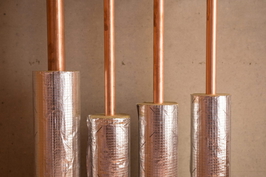
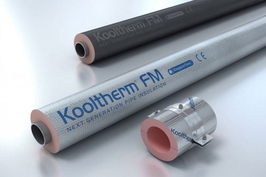
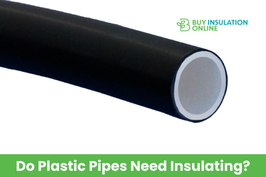
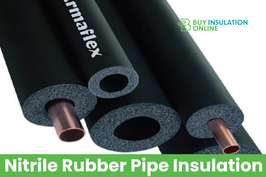
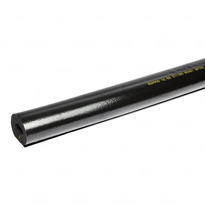
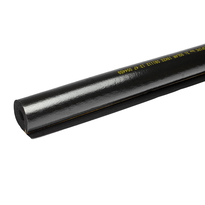
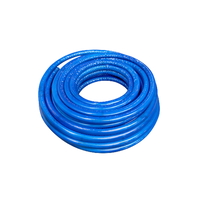
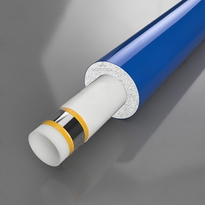
Polyethylene pipe insulation, commonly referred to as PE pipe insulation, is essential for enhancing energy efficiency and safeguarding pipes from external damage. Available in various forms such as high-density polyethylene (HDPE), low-density polyethylene (LDPE), foam, and flexible tubing, each type is tailored for specific applications.
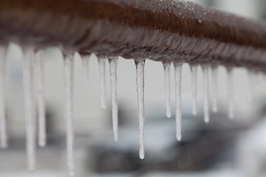
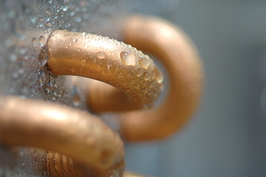
PE insulation effectively reduces heat loss and helps prevent condensation, making it a valuable choice for a wide range of pipe systems. Its resistance to moisture, chemicals, and weathering further increases its durability and longevity.
Ensuring proper installation is crucial for achieving optimal performance, and regular maintenance can help extend the benefits of this versatile material. By utilising PE pipe insulation, users can significantly improve the energy efficiency of their systems while protecting their infrastructure from potential damage.
Types of Polyethylene Pipe Insulation
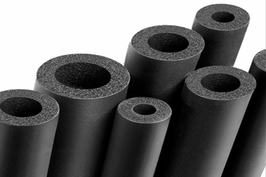
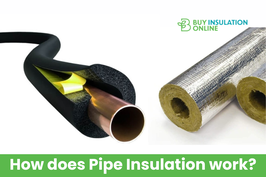
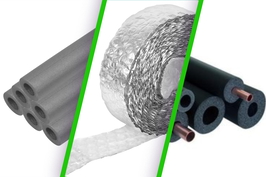
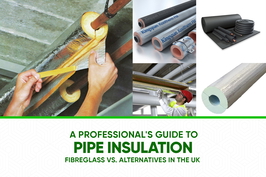
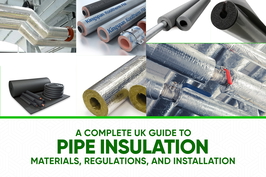
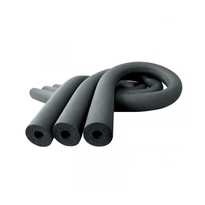
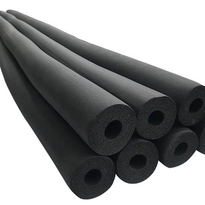
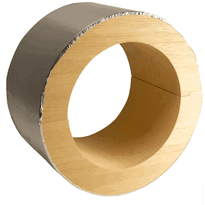
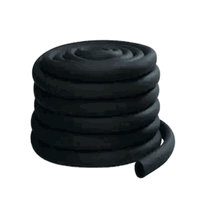
Polyethylene pipe insulation is available in a variety of types, each tailored to fulfil specific requirements based on material characteristics and application needs. High-density polyethylene (HDPE) offers enhanced strength, making it ideal for high-pressure pipe insulation due to its durability and resistance to impact. In contrast, low-density polyethylene (LDPE) is more flexible, which is beneficial for bending and installing pipes in confined spaces. Closed-cell foam polyethylene provides superior insulation and resistance to moisture absorption, making it particularly effective for thermal applications. On the other hand, open-cell foam is softer and more pliable, making it suitable for wrapping around pipe contours, albeit with slightly reduced insulation efficiency. Moreover, low-density polymer-based tubing is lightweight and straightforward to install, providing effective heat control and minimising condensation. Polyethylene insulation's versatility makes it a popular choice across various industries, ensuring optimal performance in different environmental conditions and applications.
Advantages of Using Polyethylene for Pipe Insulation
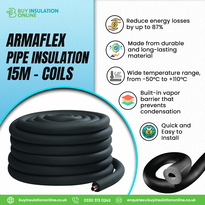
Using polyethylene for pipe insulation offers significant advantages, making it a preferred choice for both residential and commercial applications in the UK. This material effectively reduces heat loss, resulting in considerable energy savings and a decrease in heating expenses. Proper insulation also safeguards pipes against corrosion and damage caused by moisture, mould, and mildew, particularly in humid conditions. Polyethylene's low thermal conductivity further enhances its ability to minimize heat transfer, increasing energy efficiency. The durability of polyethylene allows it to withstand impacts, weathering, and exposure to chemicals, ensuring it performs reliably over time. Furthermore, its flexibility enables easy fitting around various pipe shapes and sizes, facilitating a quicker and simpler installation process. Being lightweight and easy to cut, polyethylene can also accommodate ground movement or vibrations without sustaining damage.
Performance Characteristics and Thermal Properties
The performance characteristics and thermal properties of polyethylene pipe insulation are essential for its effectiveness across various applications. This insulation boasts low thermal conductivity, which significantly reduces heat transfer and contributes to energy savings. Its low moisture permeability is particularly advantageous, as it prevents water damage and condensation, making it suitable for damp environments.
Polyethylene insulation can endure a wide temperature range, ensuring reliable performance in diverse conditions. Additionally, its expansion properties are manageable, allowing it to adapt to varying temperatures without compromising its integrity.
The table below summarises key properties:
Property |
Value |
| Thermal Conductivity | 0.25–0.44 W/m·K |
| Temperature Range | -68°C to +82°C |
| Water Vapour Permeability | <0.05 perm-in |
| Coefficient of Thermal Expansion | 2–3.5 x 10^-4 °C^-1 |
| Service Temperature Range | -297°F to +210°F |
These features ensure that polyethylene insulation maintains both efficiency and durability, making it a reliable choice for a variety of applications in the UK.
Common Applications Across Industries
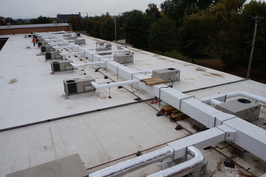
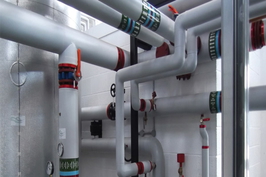
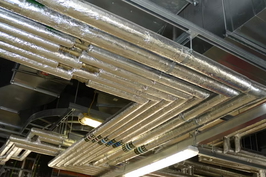
Across various industries, polyethylene insulation plays a vital role in enhancing the efficiency and safety of piping systems. In refrigeration and HVAC systems, it aids in the transportation of chilled and hot liquids, effectively reducing energy loss and ensuring compliance with safety standards. Its resistance to extreme temperatures makes it well-suited for cold water and refrigeration lines, while its low flame spread rating enhances safety. Polyethylene’s chemical inertness ensures it does not react with transported substances, maintaining system purity.
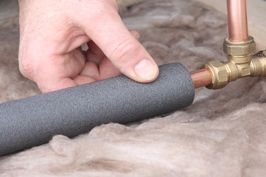
In plumbing applications, polyethylene insulation supports residential water lines by minimising heat loss, preventing condensation, and resisting UV damage. Its flexibility and ease of installation appeal to DIY enthusiasts, making it a popular choice for home projects.
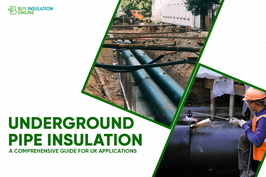
Moreover, in geothermal and industrial utility piping, this insulation material withstands ground movement, corrosion, and harsh environments. For cold storage and food processing, it maintains low temperatures and prevents microbial growth, thereby ensuring food safety and operational efficiency across various sectors.
Tips for Proper Installation and Maintenance
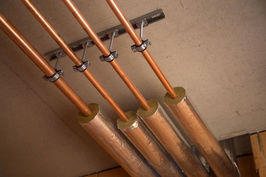
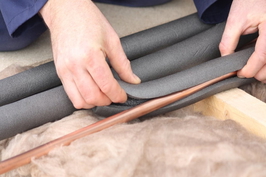
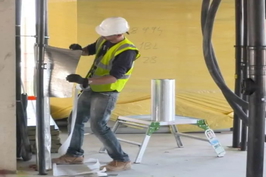
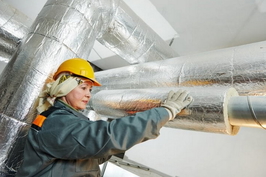
Proper installation and maintenance of polyethylene pipe insulation are vital for ensuring optimal performance and longevity of piping systems. Before commencing installation, it’s crucial to verify the pipe temperature limits as stated in the manufacturer's manual, select appropriate insulation, and ensure that pipes are clean, dry, and free from oil, rust, and debris. Conducting leak and pressure tests in advance can help prevent issues later on.
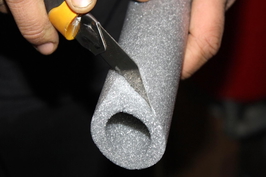
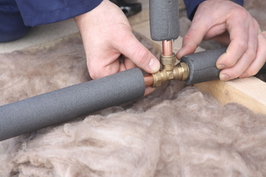
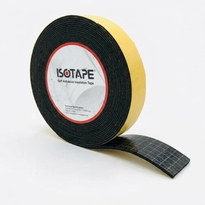
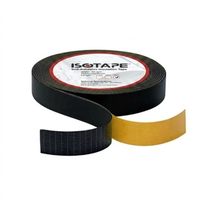
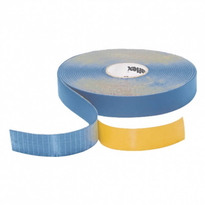
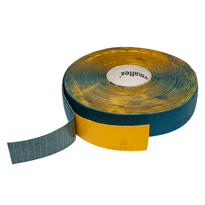
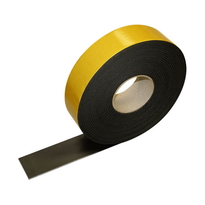
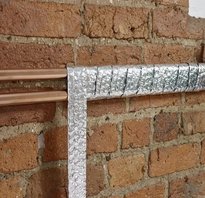
Accurate measuring and cutting of insulation to fit around fittings and supports are essential for achieving a proper seal. Additionally, leaving expansion joints on hot pipes is important to prevent damage caused by movement. Sealing seams and joints with tape or mastic is advisable to prevent moisture and air infiltration.
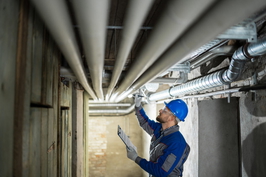
Regular inspections for any damage or gaps, alongside labelling pipes for easy identification, contribute significantly to maintaining efficiency. Properly installed and maintained insulation not only protects pipes but also conserves energy and facilitates easier future maintenance.
Conclusion
Polyethylene pipe insulation provides an effective solution for minimising heat loss and safeguarding pipes across a range of industries. Its durability, flexibility, and thermal efficiency make it a highly versatile choice.
Proper installation and regular maintenance are essential for ensuring optimal performance and long-lasting benefits. By familiarising oneself with the various types and applications, users can select the most suitable insulation for their specific requirements.
Overall, polyethylene pipe insulation presents a reliable, cost-effective method to enhance energy efficiency and prolong the lifespan of pipes.
Featured Articles on Pe pipe insulation