

Shipping Container Insulation
Effective shipping container insulation involves selecting suitable materials such as foam boards, mineral wool, or reflective barriers, each offering specific benefits like thermal efficiency, fire safety, or moisture resistance. Proper installation requires preparing surfaces, sealing gaps, and applying vapour barriers to prevent condensation, ensuring long-term durability. Managing moisture and temperature is critical, often involving sealed barriers and moisture-resistant materials to protect the container's structure. Careful planning and execution can extend the lifespan of the insulation, and understanding these strategies ensures optimal performance; exploring these detailed practices enhances long-term thermal effectiveness.
Types of Insulation Materials and Their Benefits
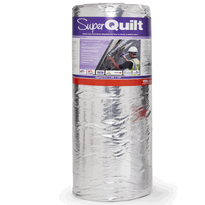
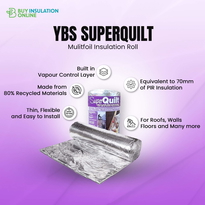
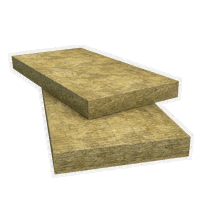
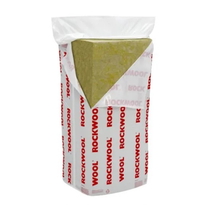
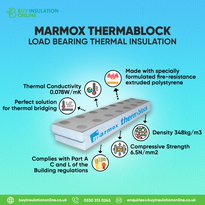
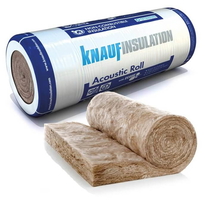
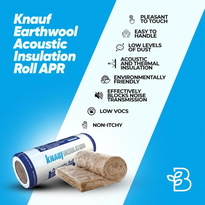
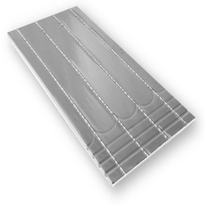
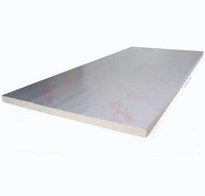
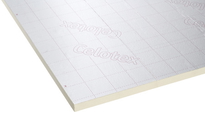
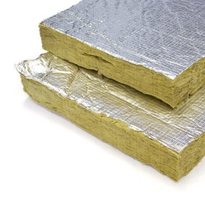
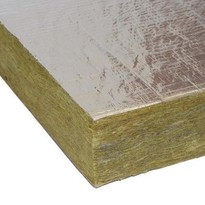
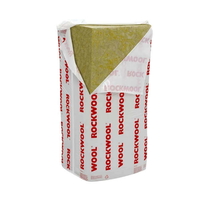
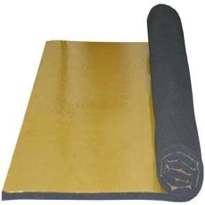
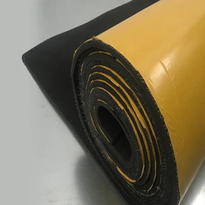
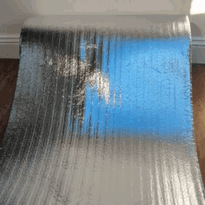
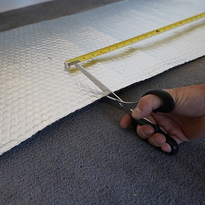
Selecting the appropriate insulation material for shipping containers depends on specific requirements such as thermal performance, moisture resistance, ease of installation, and budget constraints. Foam board insulation, available in rigid panels made from polystyrene or polyisocyanurate, offers good thermal resistance and is suitable for DIY projects. It's quick to install but may require additional Vapour barriers to prevent condensation build-up. Designed for transport, not for maintaining comfortable temperatures. Mineral wool, made from rock or slag fibres, provides excellent fire resistance, soundproofing, and moisture resistance. However, its installation tends to be more labour-intensive, requiring careful handling and fitting. Reflective barriers work by reflecting radiant heat, making them effective for reducing heat transfer in warm climates. They're fast and straightforward to install, making them a popular choice for quick upgrades. Natural insulations such as sheep’s wool or cellulose represent eco-friendly alternatives. These materials offer moderate thermal resistance, often aligning with sustainable building practices, and are appreciated for their low environmental impact. Additionally, mineral wool’s non-combustible properties make it a fire-safe choice for ensuring safety in storage containers. When selecting insulation, it's important to consider the specific thermal performance (measured in U-Values), moisture management strategies, installation complexity, and budget to ensure that the chosen material fits the operational needs of the shipping container.
Choosing the Right Insulation System for Your Container
Selecting the appropriate insulation system for a shipping container requires careful consideration of operational needs and environmental conditions. This ensures the chosen materials and installation methods deliver optimal performance and durability. Top insulation materials vary depending on these factors.
Climate is a key factor when determining insulation. In warmer regions, insulation with a high thermal resistance—measured by lower U-values—is essential to minimise heat transfer and maintain comfortable interior temperatures. Conversely, in colder areas, insulation that also acts as a vapour barrier can help prevent condensation and damp issues, safeguarding the container’s structural integrity.
Budget considerations influence the range of available options. Foam panels and fibreglass insulation are often more economical choices, providing decent thermal performance and ease of installation. However, for higher efficiency and longer-term benefits, materials such as spray foam or natural wool can offer superior thermal and moisture resistance, albeit with a higher upfront cost.
Moisture resistance is vital, particularly in humid UK climates. Closed-cell insulation materials—such as closed-cell EPS or spray foam—are highly effective at resisting moisture ingress, helping to prevent corrosion and mould growth within the container.
The intended use of the container also shapes insulation decisions. Whether transforming it into an office, a living space, or storage, considerations around thermal efficiency, space optimisation, and ease of installation are crucial. For instance, when space is limited, thinner yet highly effective insulation may be prioritised, while ease of access during retrofitting can influence material choice.
Ultimately, the selection of an insulation system should be aligned with operational requirements and environmental realities, ensuring your container is both functional and durable in the UK’s diverse climate.
Installation Techniques and Best Practices
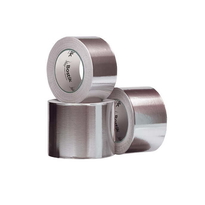
Proper installation techniques are essential for achieving effective and durable insulation within shipping containers. Preparing the interior involves thoroughly cleaning the walls to ensure optimal adhesion of insulation materials. It's equally important to repair any damages and seal gaps to maintain the structural integrity and airtightness of the container. Applying a rust-inhibiting primer before attaching insulation helps safeguard the steel surfaces against corrosion. Recognizing the importance of thorough preparation can significantly enhance insulation effectiveness and longevity. Pre-treatment of surfaces to prevent future corrosion Planning electrical and plumbing systems prior to insulation installation can prevent rework and reduce the risk of damaging the insulation layers later. Mechanical framing, using steel or timber studs spaced at 406 millimetres on centre, creates a cavity that supports the insulation and promotes adequate airflow. Ensuring that the framing is securely fastened with appropriate fixings guarantees stability, especially in areas prone to vibrations. When attaching insulation materials such as foam boards or fibre glass batts, care should be taken to maximise thermal resistance and minimise gaps. Sealing all joints meticulously with specialised tapes or spray foam ensures that the entire envelope remains airtight, which is vital for maintaining consistent internal temperatures and energy efficiency. Additionally, understanding thermal insulation properties can help choose the most suitable materials for different climates and needs.
Managing Moisture and Temperature Control
Moisture management is a vital element in insulating shipping containers, as uncontrolled humidity can greatly reduce the effectiveness of the insulation and compromise the structural integrity of the container. To prevent moisture ingress, installing vapour barriers—such as polyethylene sheets or expanding foam—plays a crucial role. These barriers help block the passage of moisture through the insulation layers, thereby minimising condensation and the risk of mould growth. It is essential that vapour barriers are correctly installed between the container wall and the insulation material to achieve optimal moisture control. Proper installation ensures a continuous seal, reducing the likelihood of dampness developing inside the container. In addition to vapour barriers, incorporating desiccant bags offers a passive solution for maintaining a controlled humidity level. These packs absorb excess moisture from the air, helping to keep the environment inside the container dry. Selecting moisture-resistant insulation materials, such as polyurethane foam, can further enhance the container’s resistance to moisture-related issues. These materials maintain their insulating properties over time, supporting a stable and protected environment within the shipping container. Proper installation techniques are essential to prevent leaks and maintain the seal, ensuring long-term effectiveness of the moisture control measures. Additionally, using vapour control layers correctly can significantly reduce the risk of interstitial condensation and subsequent damage.
Cost Considerations and Longevity of Different Insulation Options
When selecting insulation for shipping containers, it's important to weigh both initial costs and long-term performance. Insulating a standard 6-metre (20-foot) container typically costs between £1,100 and £2,600, depending on the insulation type and complexity.
Larger containers, such as 12-metre (40-foot) or high cube variants, can cost up to £4,900 due to increased surface area and material requirements.
Polystyrene panels are a popular choice because of their lower upfront price. However, they offer limited thermal resistance and may not provide optimal insulation over time.
Conversely, insulation options like specialised foam insulations are known for superior thermal performance and durability, albeit at higher initial costs.
The longevity of insulation options varies significantly. Foam insulations tend to resist moisture ingress and maintain their insulating properties for many years when properly installed.
On the other hand, mineral wool or batt insulations, if exposed to moisture, can degrade over time, leading to reduced insulating capacity and increased maintenance needs.
Material durability also depends on proper installation, the environmental conditions to which the container is exposed, and protective measures taken during and after installation.
A well-engineered insulation solution with sustainable materials can further enhance durability and environmental benefits, making it a smart long-term investment.
Well-chosen and correctly applied insulation can provide many years of effective service, contributing to long-term savings and reduced maintenance costs.
In summary, when evaluating insulation options, consider both the upfront investment and how each material will perform over the lifespan of the container.
A balanced approach ensures cost efficiency, longevity, and reliable thermal performance tailored to the UK's climate conditions.
Conclusion
Selecting appropriate insulation for shipping containers requires careful evaluation of material properties, installation methods, and environmental factors such as moisture and temperature control. Proper application ensures durability, energy efficiency, and protection of contents over time. Considering cost and longevity helps in making sustainable choices that align with specific needs and budgets. Overall, a systematic approach grounded in technical knowledge guarantees effective insulation solutions that enhance container performance and reliability in various operational conditions.