
Sound Plasterboard
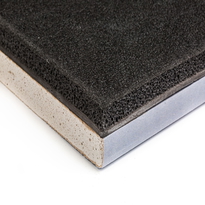
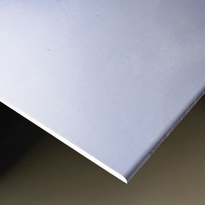
Sound plasterboard is a dense gypsum-based panel designed to reduce airborne and impact noise transfer through walls and ceilings. Its core contains additives like polymers and fibres that improve strength and sound dampening, typically requiring thicker installation—generally around 12.5 mm and weighing over 10 kg/m²—for enhanced acoustic insulation.
Proper installation is essential for optimal results. This includes sealing all joints carefully, employing resilient channels to decouple the plasterboard from the supporting structure, and selecting appropriate thicknesses to maximize acoustic performance. Continued exploration of soundproofing strategies can provide further insights into creating quieter, more comfortable interiors.
Composition and Material Features
What are the key material components that contribute to the unique properties of sound plasterboard
The core of sound plasterboard primarily contains gypsum, a naturally occurring mineral processed into a non-combustible form. This core is engineered to be denser than standard plasterboard through specialized manufacturing processes and the inclusion of various additives, which augment its mass and impact resistance.
Additionally, the mineral composition grants the board fire-resistant qualities, with calcium sulfate dihydrate (gypsum) serving as a vital element.
The dense core is encased in paper liners on both faces and along the long edges, providing a smooth, paintable surface and facilitating seamless finishing.
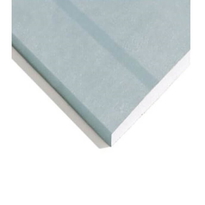
Color-coding on the face helps identify acoustic plasterboard in construction, ensuring proper application and integration into sound-sensitive environments.
Acoustic Performance and Benefits
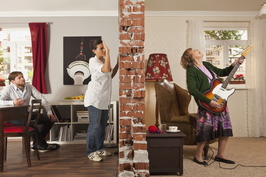
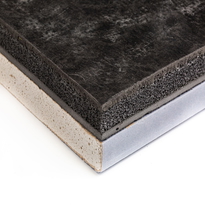
Sound plasterboard is designed to enhance acoustic performance by effectively managing the transmission of sound within and between spaces. It achieves this through properties that absorb and block sound waves, reducing both airborne and impact noise. Its sound-absorbing qualities lower overall noise levels and reverberation, thereby improving clarity in a variety of environments. This material is particularly efficient at minimizing impact noises—such as footsteps—and airborne sounds like conversations or music. It is engineered with multiple gypsum layers and sound-damping materials to improve its performance. In residential settings, sound plasterboard increases privacy, prevents sound leakage, and contributes to a more peaceful living environment, thereby enhancing overall comfort. In commercial spaces, it supports productivity by reducing distractions, maintains confidentiality, and elevates client experiences. Proper installation, often combined with appropriate acoustic insulation, maximizes these benefits across diverse architectural applications.
Differences From Standard Plasterboard
Compared to standard plasterboard, acoustic plasterboard demonstrates notable differences in density, material composition, and structural features, all of which directly influence its soundproofing capabilities.
It has a higher density, typically between 800-1000 kg/m³, whereas standard boards range around 700-800 kg/m³. This increased mass contributes to enhanced sound insulation by reducing sound transmission, following the principles of the mass law.
The material also includes specialized additives, such as polymers and fibers like glass fiber, which improve sound damping and structural strength.
Acoustic boards are generally thicker and heavier, usually 12.5 mm thick and exceeding 10 kg/m², compared to standard boards weighing about 8-9 kg/m².
The manufacturing process involves modifying the gypsum core with these materials, resulting in a product that provides superior sound attenuation, especially at mid and high frequencies.
Incorporating these features, acoustic plasterboard is particularly effective at reducing noise transfer and creating quieter indoor environments.
Installation Tips and Best Practices
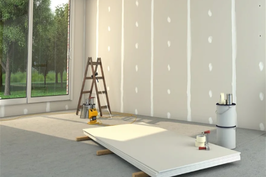
Proper installation of acoustic plasterboard in the UK requires careful planning and execution to optimize its soundproofing performance.
Effective preparation involves ensuring that walls are clean, dry, and free from debris, which enhances adhesion and sound insulation. Understanding Soundproof Plasterboard Ensuring proper surface conditions is essential for maximizing the effectiveness of the soundproofing materials.
Selecting the appropriate thickness based on specific soundproofing needs is essential; thicker boards generally provide better acoustic resistance.
Using high-density soundproof plasterboard and adding multiple layers—such as double layering or staggering seams—can significantly improve effectiveness.
It's also vital to incorporate resilient channels or sound-isolating clips to reduce vibrations and improve overall performance.
When installing, ensure precise wall measurements and cut boards accurately to prevent gaps, which can compromise soundproofing.
Applying acoustic sealants around edges and penetrations helps to prevent sound leaks.
It’s advisable to stagger seams, avoiding vertical alignment, to enhance sound insulation.
Managing the weight of materials during installation is important for maintaining structural integrity.
Additionally, regularly inspecting and maintaining the installed plasterboard will help sustain optimal performance over time.
Conclusion
Sound plasterboard provides a specialized solution that enhances acoustic insulation through its distinctive composition, which includes sound-absorbing materials and reinforced layers. Its superior performance compared to standard plasterboard makes it well-suited for environments that demand noise control, such as offices, residential buildings, and leisure facilities.
Ensuring correct installation by following precise guidelines is essential to maximize its effectiveness. A thorough understanding of its features and proper application allows both homeowners and professionals to achieve improved soundproofing and acoustic comfort efficiently.
Incorporating sound plasterboard into modern interior construction can significantly contribute to creating quieter, more comfortable spaces, making it an invaluable component in contemporary building projects.