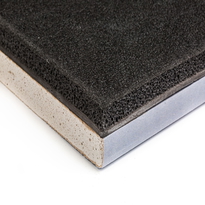
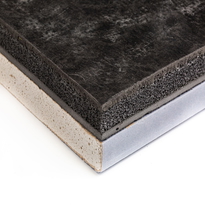

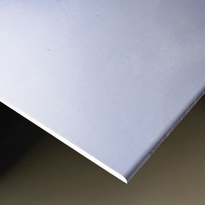
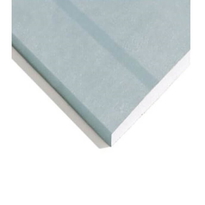
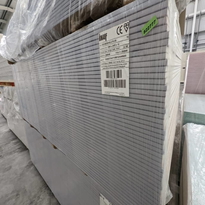
Wickes Sound Plasterboard
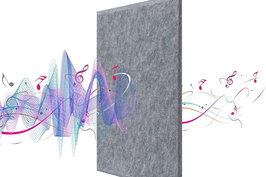
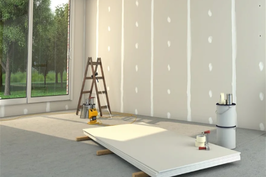
Wickes Sound Plasterboard is a high-density, gypsum-based panel designed to enhance acoustic insulation by substantially reducing noise transmission between rooms. Its specialised core, approximately 30% heavier than standard plasterboard, increases impact resistance and soundproofing capabilities, making it suitable for both residential and commercial settings.
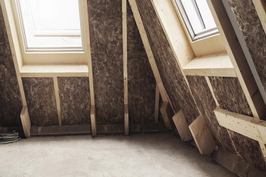
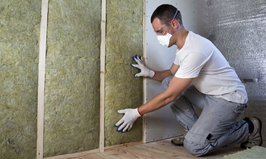
Proper installation involves securing resilient bars to the wall or ceiling framework, filling cavities with mineral wool insulation to absorb sound vibrations, and sealing all gaps with acoustic sealant to prevent sound leaks. These steps ensure optimal performance of the soundproofing system.
Continuing, detailed guidance on installation techniques and key benefits for various spaces will be provided to assist you in achieving effective sound insulation with Wickes Sound Plasterboard.
Key Features and Material Composition
Wickes Sound Plasterboard primarily utilises a gypsum-based core material that significantly enhances its acoustic properties. The core is composed of high-density gypsum with specialised additives that bolster surface hardness, impact resistance, and overall density. This high-density core contributes to better soundproofing by reducing noise transmission. This increased density directly contributes to superior soundproofing by reducing noise transmission between rooms. The manufacturing process ensures the core remains non-combustible, adding a safety feature in line with UK building regulations.
Standard thicknesses of 12.5 mm and 15 mm are available, with the denser core resulting in approximately 30% more weight than regular plasterboards. The core’s white colour and blue face facilitate easy identification and installation.
These features collectively make Wickes Sound Plasterboard a practical choice for creating effective acoustic barriers in residential and commercial settings.
Installing Wickes Sound Plasterboard: Tips and Techniques
To ensure a successful installation of Wickes Sound Plasterboard, proper preparation of the supporting framework is crucial. Begin by accurately aligning and securely fixing your stud walls. Use a minimum of 50x100mm timber studs or at least 70mm metal studs, spaced at appropriate centres to achieve soundproofing effectiveness. Where heavy fixtures are planned, include additional noggins or supports to strengthen the framework.
Before fixing, ensure that walls are clean, dry, and free from debris to allow secure attachment. Maintaining precise measurements and proper spacing is vital for optimal soundproofing.
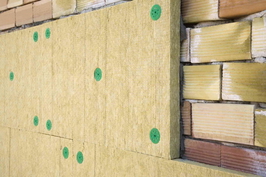
When filling cavities, opt for semi-rigid mineral wool insulation, filling them completely without compression. Leave a slight offset from the back of the plasterboard to optimise soundproofing performance.
When attaching the boards, it's preferable to fix them vertically where possible, maintaining a 3-5mm gap at floors and ceilings to accommodate expansion and contraction.
Stagger joints between layers to minimise the possibility of sound leaks.
Install resilient bars at 600mm centres, ensuring they're properly aligned to maximise sound insulation.
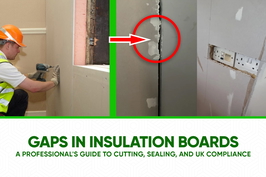
Finally, seal all gaps with flexible acoustic sealant to prevent sound leaks and improve overall performance.
Benefits for Residential and Commercial Spaces
Acoustic plasterboards offer an effective and practical solution for reducing sound transfer in both residential and commercial environments, significantly improving acoustic performance by dampening noise levels.
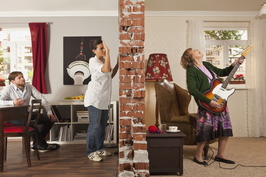
In homes, they help minimise noise from neighbouring rooms or external sources, creating quieter living spaces with enhanced privacy. Constructed from gypsum plasterboard, these panels are easy to cut, snap, and install, making them suitable for ceilings and partition walls alike. While not inherently fire-resistant, certain models are designed with moisture resistance, enabling their use in damp areas such as bathrooms and kitchens. Their denser and heavier composition results in higher sound absorption capabilities, which can be measured by their K-Values, indicating the insulation's efficiency. This density also contributes to their ability to effectively block airborne sound transfer, making them ideal for use in Noise Sensitive environments. In commercial settings, acoustic plasterboards are crucial for managing ambient noise, ensuring compliance with industry regulations, reducing disruptions, and fostering better environments for work or customer interactions. Their durability, versatility in presentation, and ability to meet industry standards make them an indispensable component of effective acoustic design strategies.
Conclusion
Wickes sound plasterboard provides an effective solution for reducing noise transmission through walls and ceilings, suitable for both residential and commercial projects. Its material composition ensures durability and excellent sound absorption, making installation straightforward when following proper techniques. By adhering to recommended procedures, users can achieve optimal acoustic performance and maintain structural integrity. Overall, Wickes sound plasterboard offers a practical and reliable method for enhancing soundproofing, contributing to improved privacy and comfort in various UK building environments.