

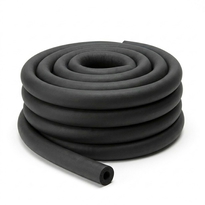
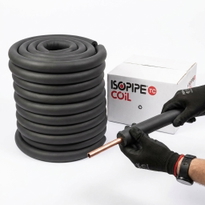
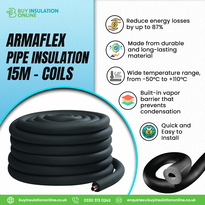


Why 50mm Pipe Insulation Saves Energy and Cuts Costs
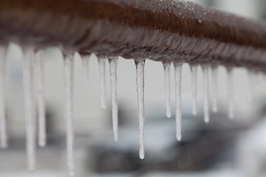
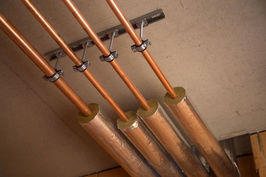
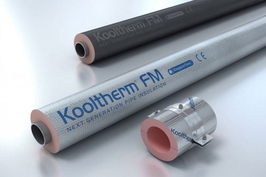
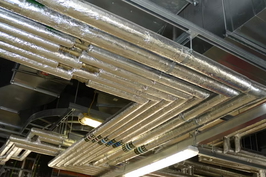
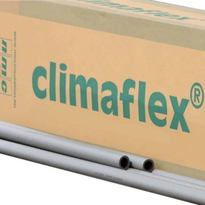
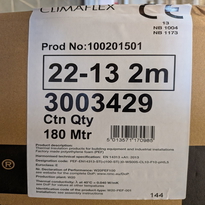
While numerous factors influence energy efficiency, the installation of 50mm pipe insulation plays a crucial role in significantly reducing heat loss in both hot and cold water systems. This thickness offers an effective balance, delivering sufficient thermal resistance without unnecessary bulk.
By limiting heat transfer through the pipes, energy consumption decreases, resulting in lower utility bills. Communities and businesses opting for this type of insulation benefit from reduced energy usage while maintaining optimal system performance.
It ensures that hot water remains warmer for longer and cold water stays cooler, thus easing the workload on heating and cooling systems.
Ultimately, 50mm pipe insulation promotes sustainable energy practices and enhances financial outcomes. Those committed to energy efficiency will find this solution both practical and reliable for minimising energy waste and maximising cost savings in everyday operations.
Best Materials for 50mm Pipe Insulation and Their Benefits
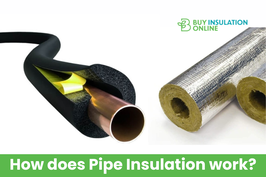
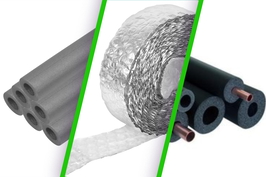
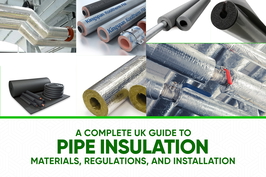
Several materials are recognised as effective options for insulating 50mm pipes, each offering unique benefits based on their thermal properties, durability, and suitability for various applications.
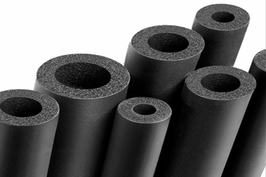
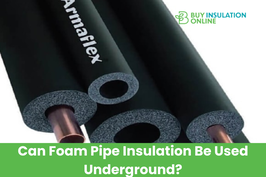
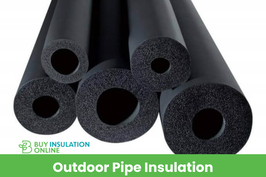
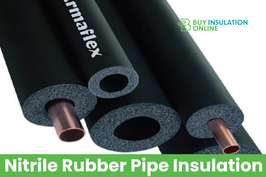
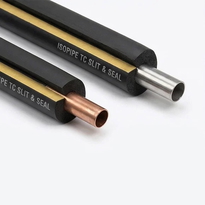
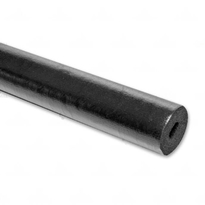
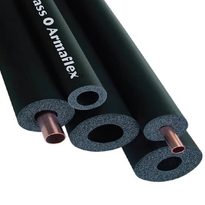
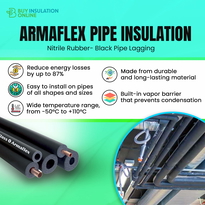
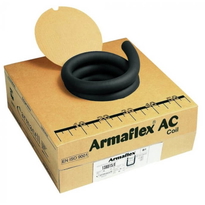
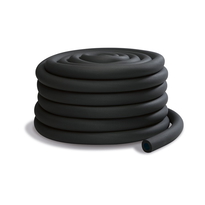
Foam insulation provides excellent moisture resistance and thermal efficiency, making it ideal for preventing heat loss in a range of environments.
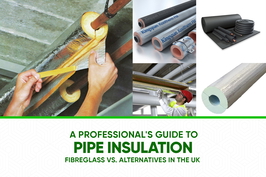
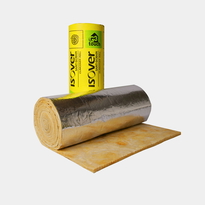
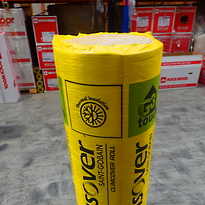
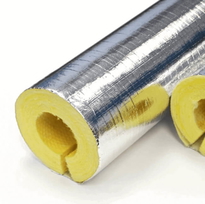
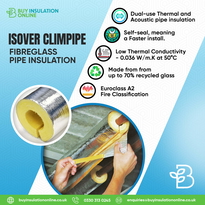
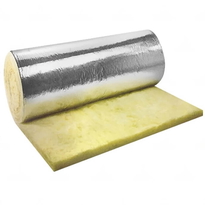
Fibreglass is popular due to its high-temperature tolerance and soundproofing capabilities, often utilised in situations where fire resistance is critical.
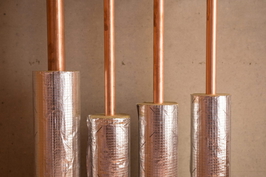
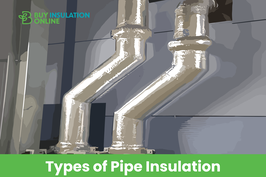
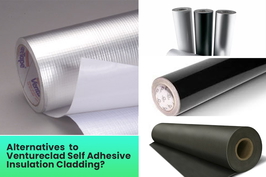
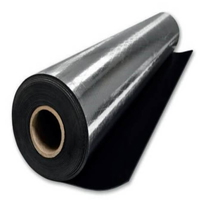
Reflective barriers enhance overall insulation performance by reflecting radiant heat, all without adding significant bulk.
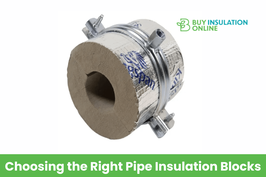
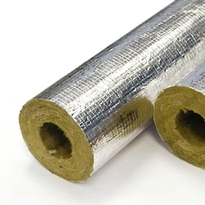
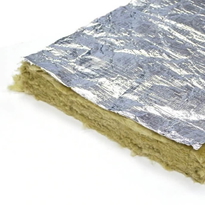
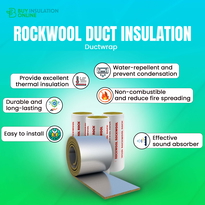
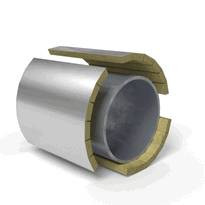
Mineral wool is noted for its superior fire resistance and noise reduction, maintaining its insulating properties even when exposed to moisture.
Choosing the appropriate material depends on the specific requirements of the pipe system, including temperature range and exposure to environmental elements.
Together, these materials offer reliable solutions that cater to diverse insulation needs while promoting energy efficiency.
Installation Tips for 50mm Pipe Insulation
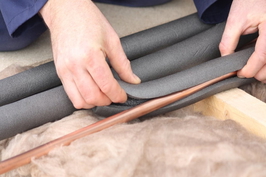
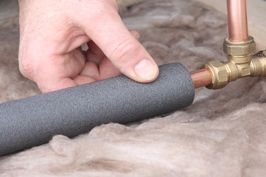
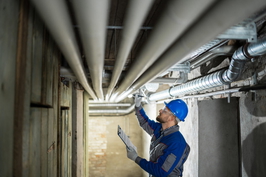
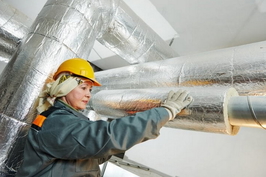
When installing 50mm pipe insulation, achieving a snug fit around the pipes is essential for maximising thermal efficiency and preventing heat loss. Proper installation techniques begin with accurately measuring the pipe diameter and selecting insulation that corresponds.
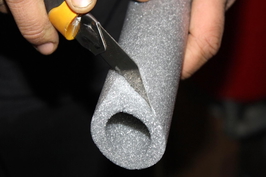
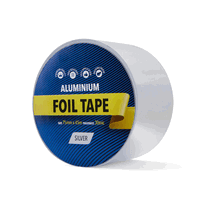
The necessary tools typically include a utility knife for cutting, adhesive tape for securing joints, and gloves to protect your hands during handling.
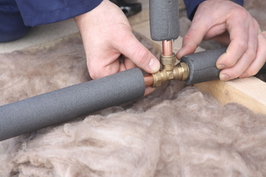
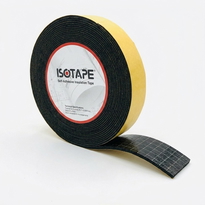
Cutting the insulation cleanly and applying it tightly around bends and valves ensures consistent coverage. Sealing seams with appropriate tape or sealant enhances insulation performance.
It is important to work methodically, fitting insulation sections without gaps or overlaps. Following these steps not only helps maintain system efficiency, but also instils confidence among installers by facilitating a clean, effective finish that's built to last.
Common Installation Mistakes to Avoid With 50mm Pipe Insulation
Proper installation of 50mm pipe insulation is essential for minimising energy loss and enhancing system performance. However, common mistakes can significantly undermine these advantages. Installers should be aware of frequent errors to ensure that the insulation functions effectively.
One prevalent issue is improper sealing, which permits air and moisture to infiltrate, thereby reducing the insulation's effectiveness.
Another common error is inadequate coverage; any missed insulation creates thermal bridges that lead to energy wastage.
Additionally, hasty installation often results in poorly aligned segments and gaps, which can adversely affect system efficiency and longevity.
To assist teams in avoiding these pitfalls, consider the following critical points:
Always verify that all joints and seams are securely sealed.
Ensure complete coverage around each section of pipe without any gaps.
Take the time necessary for precise installation, ensuring that the insulation is flush with the pipe.
Additional Benefits of Using 50mm Pipe Insulation
While many are aware of the energy-saving benefits of 50mm pipe insulation, it also offers several other notable advantages.
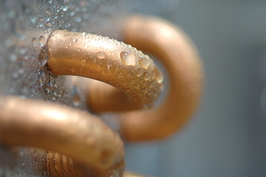
One significant benefit is enhanced thermal efficiency. This helps maintain consistent temperatures within pipes, reducing heat loss and preventing condensation. Such efficiency not only lowers energy costs but also extends the lifespan of the system by safeguarding pipes from temperature fluctuations.
Additionally, 50mm pipe insulation aids in noise reduction, minimising the sounds generated by fluid movement and mechanical vibrations. This advantage fosters a quieter, more comfortable environment, particularly in residential and commercial settings.
Moreover, the durable materials used in insulation provide extra protection against damage and corrosion, thereby improving overall pipe performance.
These combined benefits make 50mm pipe insulation an essential choice for those seeking energy efficiency and practical enhancements to their piping systems.
Conclusion
50mm pipe insulation effectively reduces heat loss, which in turn lowers energy costs and enhances system efficiency. Choosing the appropriate material, such as foam or mineral wool, can significantly improve performance and longevity.
Proper installation is crucial for achieving optimal results. Avoiding common pitfalls during the installation process helps prevent damage and maintains efficiency.
In addition to energy savings, this insulation minimises condensation and dampens noise, contributing to a more comfortable environment.
Overall, 50mm pipe insulation serves as a practical solution for energy conservation and system protection across various applications. It is a valuable investment for both residential and commercial settings, ensuring enhanced performance and sustainability.
Featured Articles on 50mm pipe insulation