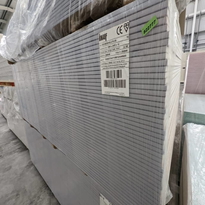
Acoustic Plasterboard Screwfix
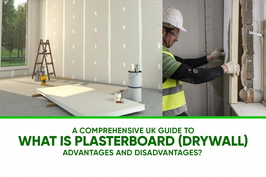
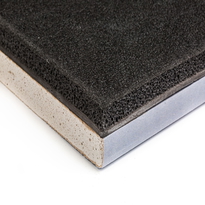
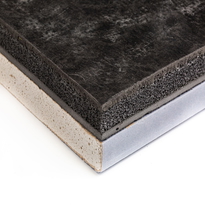
Acoustic plasterboard available at Screwfix provides an effective solution for reducing sound transmission in both residential and commercial spaces. Its dense, high-performance construction helps to enhance soundproofing, offering improvements of up to 49 dB Rw. The board typically features a thick, non-combustible gypsum core faced with recycled paper, delivering not only excellent sound insulation but also fire and moisture resistance.
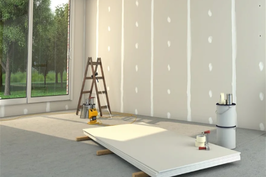
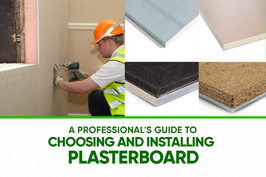
Installation involves fixing the plasterboard securely to stable frameworks, sealing the joints with acoustic sealant to prevent sound leaks, and properly staggering layers for optimal performance. Following these guidelines can help achieve maximum soundproofing benefits. Ensuring correct installation and selecting the appropriate acoustic plasterboard will contribute to quieter, more comfortable environments.
Key Features and Benefits of Acoustic Plasterboard at Screwfix
Acoustic plasterboard offers a range of essential features and benefits that make it an effective soundproofing solution for both residential and commercial settings.
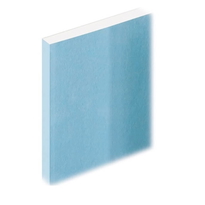
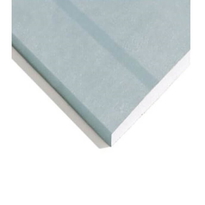
It's thicker and denser than standard plasterboard, typically measuring between 12.5mm and 15mm, with some specialised variants reaching thicknesses of 27-30mm. The core is composed of inert, non-combustible gypsum, which enhances its sound dampening properties while maintaining stability and resistance to warping. Designed specifically for interior wall and ceiling applications, Many acoustic plasterboards feature a blue paper facing, indicating the inclusion of recycled materials, which supports sustainability goals.
The board is capable of achieving high sound reduction performance, such as up to 49 dB in weighted sound reduction index (Rw), effectively reducing airborne, impact, and structure-borne noise transmission.
Standard sizes, combined with its durability, fire and moisture resistance, and straightforward installation, make acoustic plasterboard a practical and accessible choice for improving acoustic environments in various applications.
Installing Acoustic Plasterboard: Tips and Best Practices
Proper installation of acoustic plasterboard requires attentive preparation of the framing and precise positioning to ensure optimal soundproofing performance.
To achieve this, it's vital to use stable, accurately measured frameworks with stud spacing of around 600mm for single layers or 400mm for multilayer configurations.
Ensure timber studs are at least 50x100mm or metal studs are 70mm deep, with appropriate gauge to maintain stability.
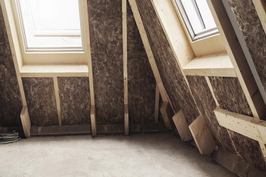
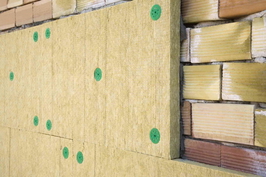
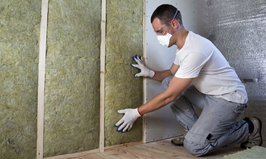
Install insulation panels so that edges align seamlessly with the framing, filling cavities completely without compression to maintain acoustic integrity.
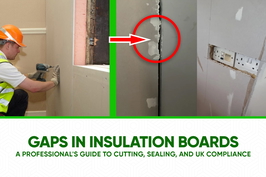
Attach plasterboard securely using acoustic fixings spaced approximately 230mm apart, and maintain small gaps at edges, sealed with flexible acoustic sealant to prevent sound leaks.
Apply acoustic membranes flat on the first layer without gaps; then, stagger subsequent layers to prevent joint alignment and improve soundproofing.
Seal all joints and junctions with acoustical caulk to create an airtight barrier, maximising soundproofing efficiency.
Additionally, maintaining a consistent application of decoupling techniques and ensuring the construction mass is maximized will further enhance the acoustic performance of your installation.
Choosing the Right Acoustic Plasterboard for Your Space
When selecting acoustic plasterboard for a given space, it's essential to consider the specific performance requirements, environmental conditions, and how the product will integrate with existing construction components.
Different boards feature varying densities, thicknesses, and specialised properties such as fire or moisture resistance, all of which influence their soundproofing capabilities.
Higher-density boards, typically composed of a gypsum core weighing between 800 and 1000 kg/m³, provide enhanced sound attenuation owing to their increased mass. Thicker options, up to 30 mm, can further improve sound reduction, making them suitable for spaces requiring higher acoustic performance.
It is important to review the certified sound insulation levels, often expressed as Weighted Sound Reduction Index (Rw) values, which generally range around 45 to 50+ dB for effective noise control.
Ensuring the chosen plasterboard is compatible with insulation materials, wall structures, and environmental factors such as humidity or impact resistance will help achieve optimal acoustic performance and durability.
Manufacturers like Knauf, Siniat, and Gyproc offer a variety of boards that meet these specifications, ensuring quality and consistency in results.
Proper selection depends on a thorough assessment of these factors, allowing you to create a comfortable and acoustically suitable environment in your UK-based space.
Conclusion
Selecting and installing acoustic plasterboard correctly is vital for achieving optimal soundproofing and durability in your space. It is essential to follow the manufacturer’s guidelines, use appropriate screws from Screwfix, and ensure precise placement during installation. Understanding the specific properties of different acoustic plasterboards and adhering to best practices will help you attain effective noise reduction and a high-quality finish. Proper planning and meticulous execution are key to ensuring long-term performance and the desired acoustic performance in any construction or renovation project.